For years, many of the marginalised communities have watched from the sidelines as decisions affecting their land, environment and livelihoods are made without their input.
From indigenous groups living near forests and conservation areas to residents of informal settlements facing eviction, many say they have been excluded from governance processes despite constitutional provisions guaranteeing public participation.
It is a challenge that rights groups are now seeking to address through a new five-year programme aimed at strengthening the voices of Indigenous Peoples and Local Communities (IPLCs) in environmental governance and decision-making.
The initiative, known as Together for People and Planet (ToPP), is being implemented by the Economic and Social Rights Centre (Hakijamii) with support from WWF-Kenya. The goal is to ensure marginalised communities not only understand their rights but are also able to influence decisions that affect their lives.
Hakijamii executive director Zipporah Muthama said many indigenous communities remain excluded from environmental governance despite possessing valuable knowledge that could strengthen conservation efforts.
"We are trying to amplify their voices because these communities are often sidelined when it comes to governance processes," she said.
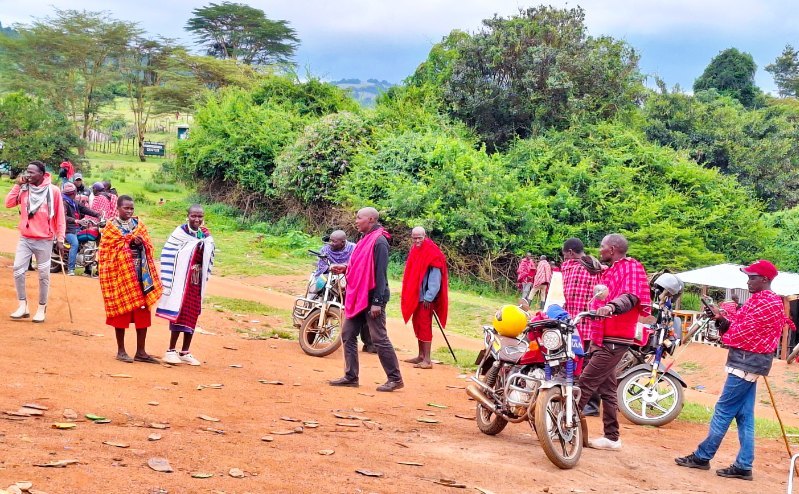
The programme is currently working with the Ogiek community in Nakuru county and other marginalised groups to help them participate in policy discussions and decision-making processes relating to land, natural resources and conservation.
Muthama said exclusion is often rooted in a lack of awareness and capacity.
"Most of them do not have the tools, skills, knowledge and capacity to participate in governance processes. We want them to understand their rights and engage effectively with duty bearers," she said.
The impact of that exclusion is already visible in many parts of the country.
Grace Oloo, the vice-chair of the Environmental Rights Organisation in Kilifi county, said environmental issues have historically received little attention at community level because many people were unaware of their rights.
"When the new constitution was promulgated, it recognised the right to a clean and healthy environment, but many people were not aware of these rights," she said.
She said climate change and environmental discussions have often been dominated by technical language that ordinary citizens struggle to understand.
"The language used in climate change discussions was not friendly to the common mwananchi. People could hear about climate change, but they did not fully understand what it meant or how it affected them," she said.
As a result, communities most affected by environmental degradation and climate-related challenges have often struggled to participate effectively in policy debates.
Oloo believes the Hakijamii programme could help bridge that gap by simplifying information and raising awareness among vulnerable groups.
"It will create more awareness so that people become conscious about the environment they live in and have the capacity to raise their voices," she said.
She expects the initiative to strengthen collaboration between communities, government institutions and civil society organisations, making it easier for citizens to engage in environmental governance.
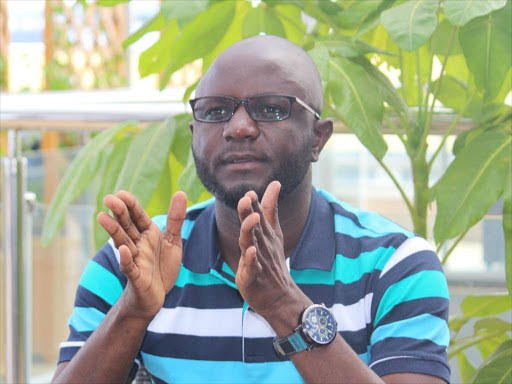
Housing rights activist Ezekiel Rema of Muungano wa Wanavijiji said marginalisation extends beyond environmental issues.
He said vulnerable communities continue to face exclusion in development planning, service delivery and housing programmes.
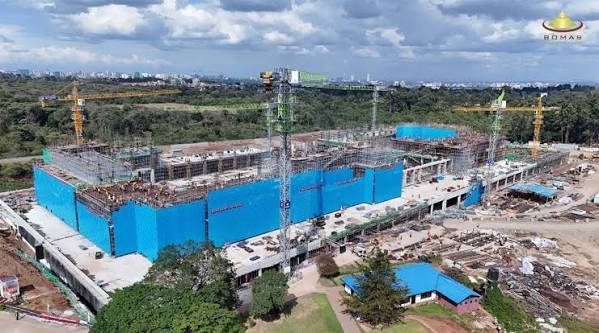
"They have been marginalised for many years," he said. "You can see houses being built while demolitions are still taking place and people are being displaced. In many cases, the people who deserve support are left out."
Rema said meaningful public participation remains one of the most powerful tools available to citizens, but many people lack the information needed to engage effectively.
"The constitution gives people the right to decide what development they want in their areas. But if people are not informed, they cannot participate or even understand the documents being discussed," he said.
As such, civil society organisations play a crucial role in helping communities understand complex policies and governance processes.
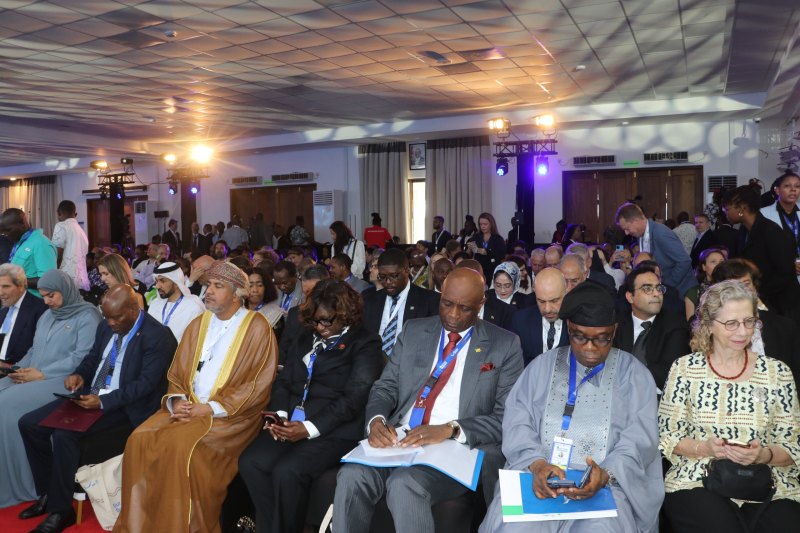
Hakijamii says representatives from indigenous communities in Nakuru and Narok counties are already participating in high-level forums, including the Alternative Justice Systems Conference, where they are engaging judges and policymakers on issues affecting their communities.
For Muthama, the ultimate goal is not simply to invite marginalised communities into meetings, but to ensure their views shape decisions.
"It is not just about bringing vulnerable communities into the room. It is about ensuring their voices influence the final decisions," she said.
As Kenya implements policies on climate action, conservation, land governance and development, advocates say sustainable solutions will only be achieved when the communities most affected are given a meaningful seat at the table.
For many marginalised communities, the struggle is no longer just about being heard. It is about ensuring their voices count.