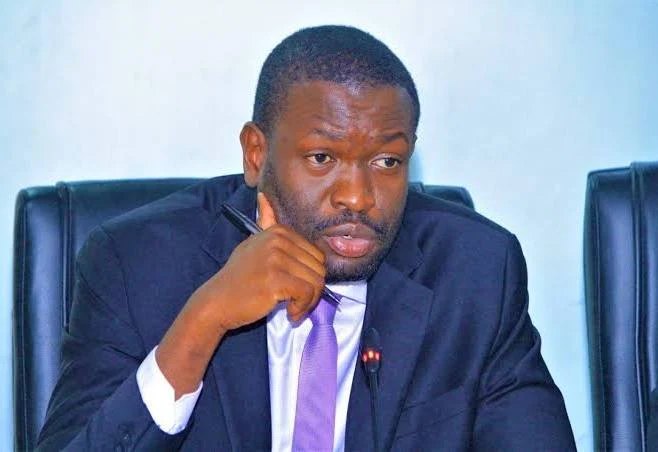
 Kiambu Senator Karungo Thang’wa/HANDOUT
Kiambu Senator Karungo Thang’wa has declared that he will vote no for the Finance Bill, 2026.
In a press statement shared on his X page, Thang’wa cited alleged ‘destructive’ nature to the Kenyan industry, jobs and youth.
“The most dangerous attack is on locally assembled phones and electric motorbikes.” he warned.
“These sectors are already creating jobs, training technicians, supporting sales agents, expanding digital access, strengthening the creative economy, modernising boda boda transport, reducing fuel dependence and saving Kenya foreign exchange.”
Thang’wa also noted that the proposal for an increase in tax of local assembly factories, while the importation tax significantly reduced by about 24 per cent.
“Why should a phone or e-bike assembled by Kenyan youth become more expensive than a finished product imported from outside Kenya?” he posed.
The MP rallied his colleagues to stand with Kenyans, by either rejecting or amending the Finance Bill, as they vote in today’s proceedings.
Similarly, MP for Embakasi East Babu Owino also took the same stance.
“The intention of a tax is to raise revenue. But the intention of taxation should never be to punish the Kenyan people.” he said at a press conference held at Parliament on 18 June.
He condemned the proposed 16 per cent VAT, as well as a duration of four months to file tax returns citing detrimental effects on the country’s economy.
The rejection is a stark reminder of the Finance Bill 2024, which marked one of the most significant moments in Kenya’s recent political history.
Thousands of Kenyans, particularly young people, took to the streets and online platforms to oppose proposed tax measures they argued would increase the cost of living.
The demonstrations, largely driven by Gen Z activists, reflected growing public frustration over high taxes, unemployment, rising prices of basic commodities and concerns about government spending.
What began as online campaigns quickly evolved into nationwide protests, with citizens demanding that lawmakers reject the Bill and urging the government to explore alternative ways of raising revenue without overburdening ordinary Kenyans.
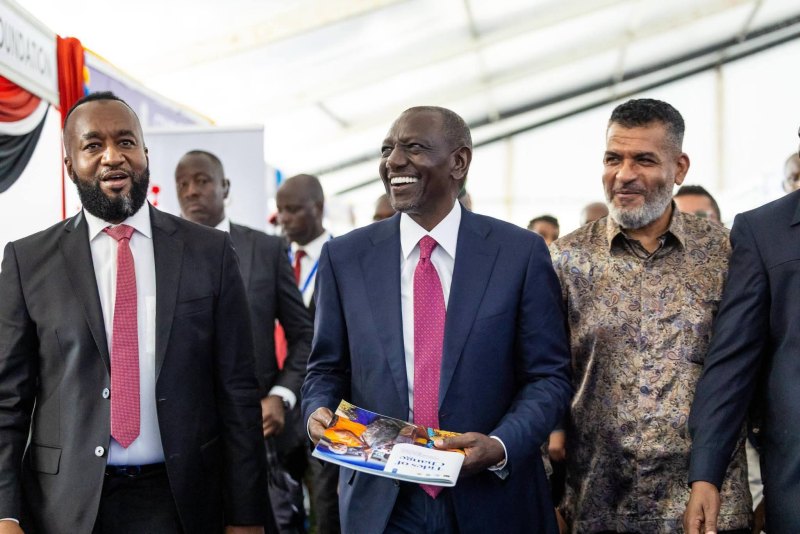
Following sustained public pressure, President William Ruto
declined to sign the Finance Bill 2024 into law and called for its withdrawal,
acknowledging the concerns raised by citizens.