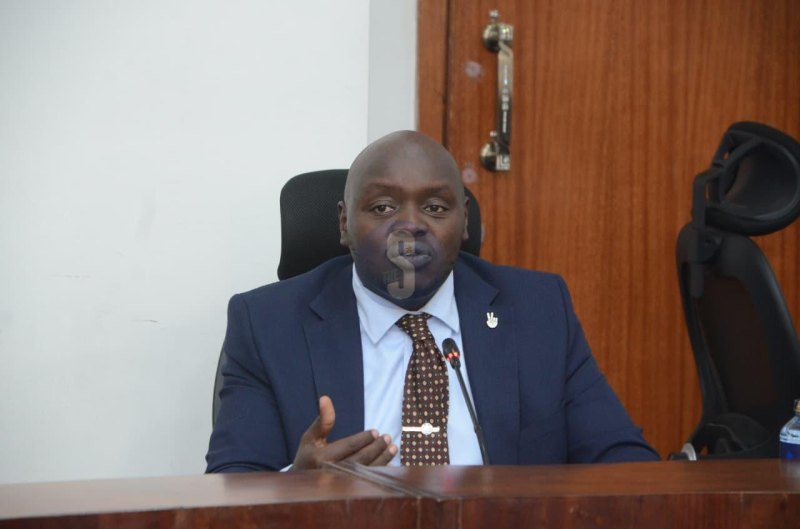
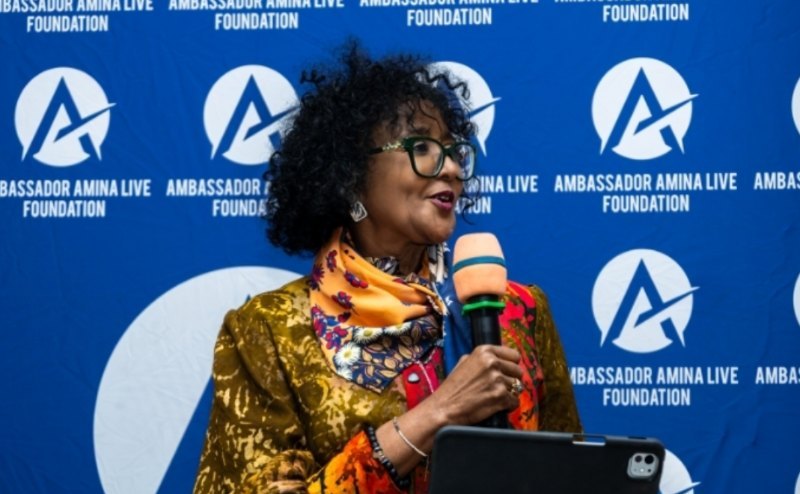
 Former Cabinet Secretary Amina Mohamed /HANDOUT
According to Amina, Africa possesses extraordinary natural capital as its home to vast forests, rich biodiversity, fertile soils, critical water towers and some of the world’s greatest opportunities for ecological restoration.
Through initiatives such as the Africa Carbon Markets Initiative, Ambassador Amina said more than one billion dollars in demand-side commitments have already been mobilised for African carbon credits by 2030.
“At a time when the world is searching for solutions to climate change, Africa is uniquely positioned to contribute. Yet we must ask ourselves an honest question: are we capturing a fair share of the value generated by the resources we protect?” she asked.
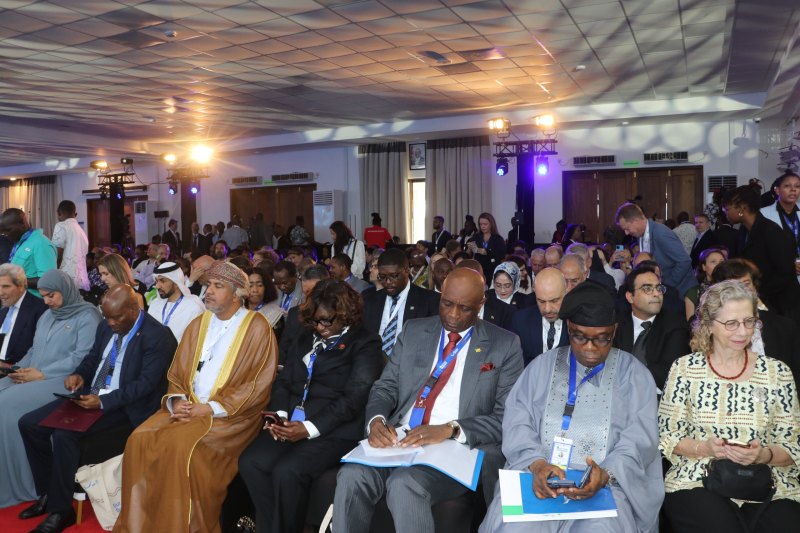
Speaking at a breakfast meeting held the Nairobi Club on Thursday morning, the former CS said the continent should consider the carbon trade as it contributes only a small share of global greenhouse gas emissions, yet it holds enormous potential to support global climate solutions.
“The opportunity is significant. Global carbon markets are expected to expand over the coming decade, creating new possibilities for investment, job creation and sustainable development,” the ex-CS said.
“But opportunity alone is not enough. We must ensure that the value generated from African natural assets benefits African communities, African businesses and African economies.”
Too often, Amina who served as Kenya’s Foreign Affairs CS, said environmental value is created here, while much of the financial value is realised elsewhere.
She added that many projects create real environmental and social benefits, yet substantial portions of the financial returns flow through intermediaries, financiers, brokers and institutions located outside the continent.
“This is not an argument against carbon markets. It is an argument for fairness, transparency and African leadership. Africa does not seek sympathy. Africa seeks partnership. We do not seek perpetual aid. We seek fair participation in global markets and fair returns for the value we create.”
“If we are the custodians, the cultivators and the suppliers, then it is our right—and indeed our responsibility—to understand the terms of that trade and to negotiate them effectively. We must build the capacity, institutions and partnerships that enable Africa to participate in global markets from a position of strength.”
The former CS who is now championing environment issues dubbed The Kenya Tree Economy Initiative (KETEI) under the Ambassador Amina Mohamed Live Foundation, says the initiative seeks not only to encourage tree planting but expose Africans to opportunities.
“KETEI represents something far greater than a tree-planting campaign. It represents a new way of thinking about our natural resources—not as liabilities to be managed, but as assets that can generate environmental, social and economic value for generations to come.”
She regretted that the vast majority of African countries and populations are exposed to deep poverty despite the vast resources that appear to benefit the global north.
“When we discuss sustainable agriculture, renewable energy, biodiversity conservation, responsible mining, climate finance or green industrialisation, we are discussing the same fundamental issue: how do we ensure that African resources create prosperity for African people?”
Kenya’s commitment to grow 15 billion trees by 2032 is among the most ambitious restoration efforts on the continent yet according to her, the true measure of success will not be the number of seedlings planted.
“It will be the number of trees that survive, mature and continue delivering environmental and economic benefits for generations to come. This requires long-term thinking. It requires financing. It requires innovation. Most importantly, it requires a shared sense of responsibility.”