Four judges have been cleared to contest the election for the next President of the Court of Appeal following the close of the nomination process.
In a notice issued by the Independent Electoral and Boundaries Commission (IEBC), Returning Officer Martin Wachira Nyaga said the candidates were validly nominated under Rule 5.5 of the Court of Appeal Election Rules, 2013.
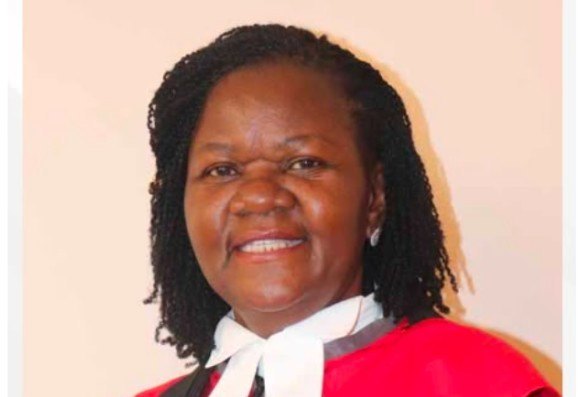
The candidates are Justice Patrick Omwenga Kiage, Justice Steven Gatembu Kairu, Justice Agnes Kalekye Murgor and Justice Lydia Awino Achode.
The election is scheduled to take place on Monday, June 22, 2026, from 10:00 a.m. to 1:00 p.m. at the Sarova Stanley, unless otherwise communicated by the Commission.
The term of Justice Daniel Musinga as President of the Court came to an end on May 24, 2026, having served for a non-renewable term of five years.
The Court of Appeal Judges elect one of them to be their President.

The IEBC reminded judges eligible to vote that those unable to attend in person may cast their ballots electronically in accordance with Rule 7.9 of the Court of Appeal Election Rules, 2013. Judges intending to vote electronically must notify the Commission at least two days before the election.
Nyaga said the Commission is committed to overseeing a dignified, transparent, free and fair election in line with the Constitution and the Court of Appeal Election Rules, 2013.
Campaigns among the judges for the upcoming elections intensified interest in judicial leadership and succession dynamics within Kenya’s second-highest court.
Tribal balance may be a key factor in the decision.
The contest has also drawn attention to questions of seniority within the Court of Appeal.

Under Section 8 of the Judicature Act, precedence among judges of appeal is generally determined by the date of appointment, unless otherwise determined by the President in exceptional circumstances.
This framework has placed seniority as a key consideration in discussions around judicial leadership within the court.
With four candidates in contention, analysts say the election is shaping up as a significant institutional moment for the Court of Appeal, particularly given the presence of several long-serving judges appointed during the post-2010 judicial reform period.
Many within legal circles have previously advocated for consensus-based leadership selection to preserve cohesion within the court.