President William Ruto has challenged African nations to embrace technology as a powerful tool in the fight against corruption.
Ruto explained that digital innovations could help governments detect fraud, strengthen accountability and seal loopholes that enable the misuse of public resources.
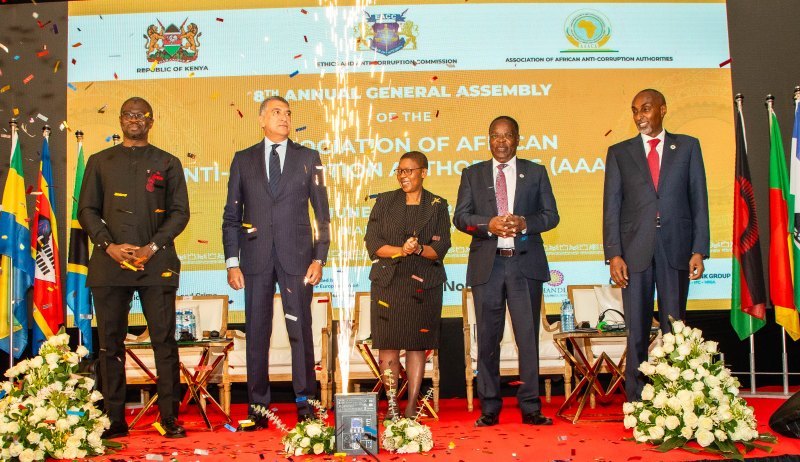
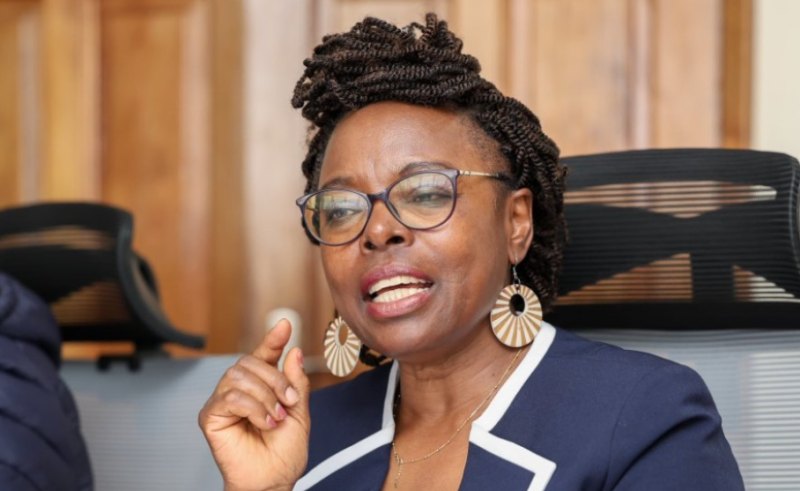
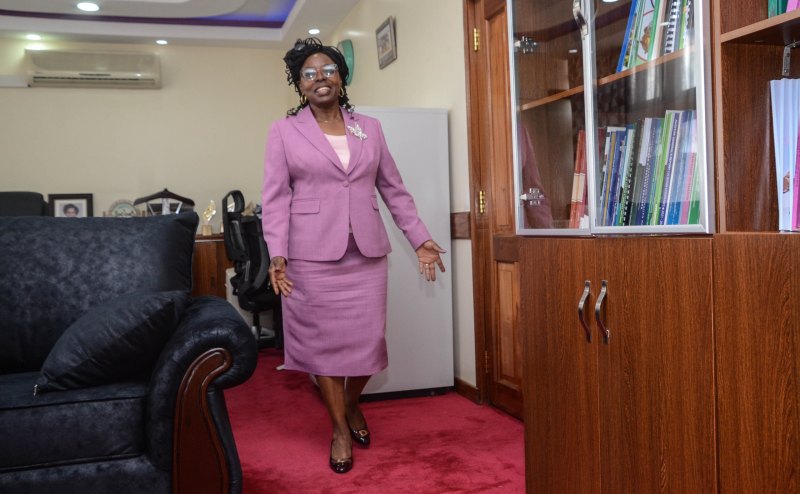
In a speech delivered on his behalf by Attorney General Dorcas Oduor during the Annual General Assembly of the African Association of Anti-Corruption Authorities (AAACA) in Nairobi, the President said the continent must leverage emerging technologies to combat increasingly sophisticated corruption networks.
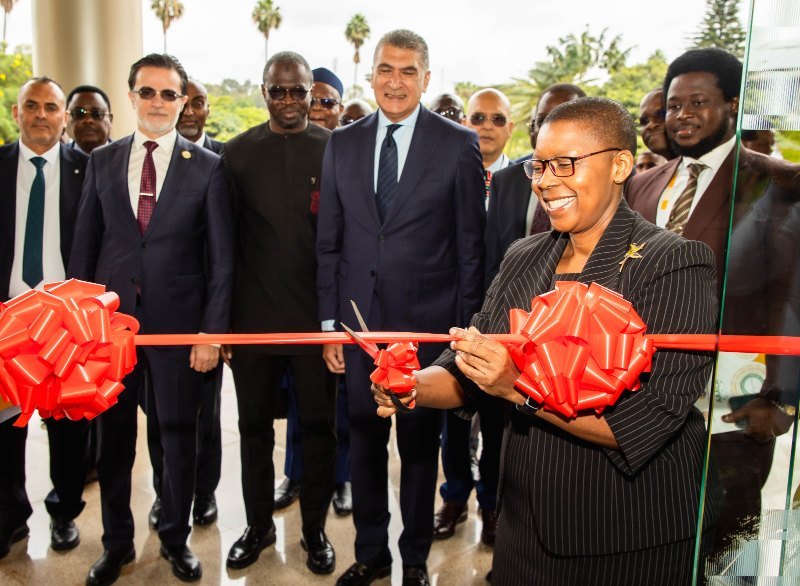
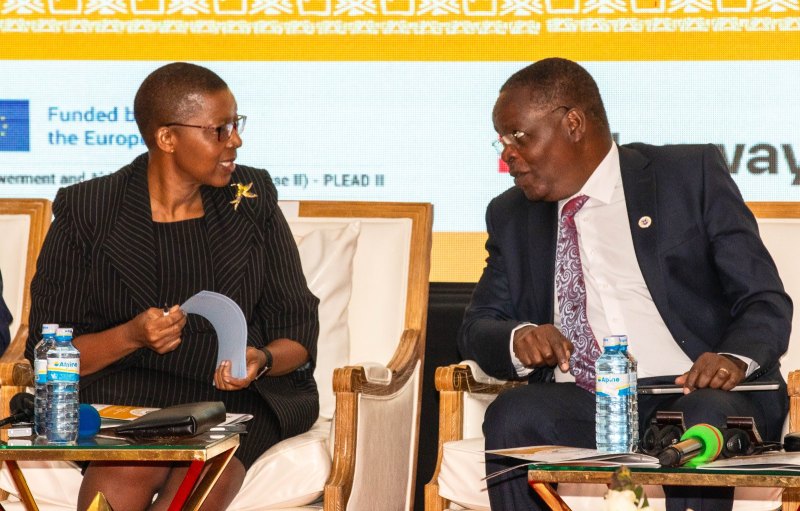
The event also marked the launch of the Centre for Anticorruption Studies and Research in Africa at the Central Bank of Kenya Institute of Monetary Studies.
Ruto noted that corruption has evolved into a technologically enabled and transnational crime that requires innovative and coordinated responses from governments and anti-graft agencies.
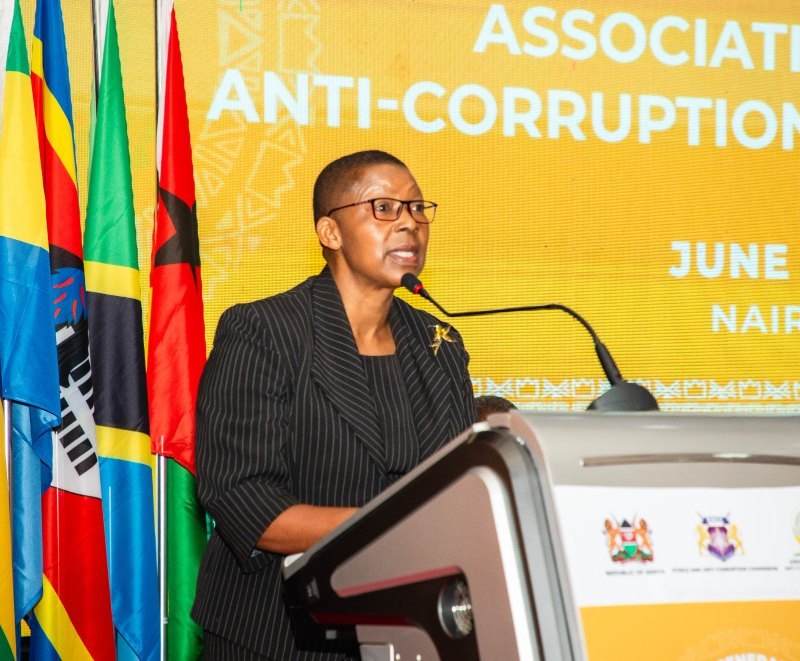
“Data analytics, artificial intelligence, integrated financial management systems, digital registries, open contracting platforms, beneficial ownership databases, and blockchain-enabled solutions present unprecedented opportunities to detect irregularities, strengthen accountability, and reduce opportunities for abuse,” he said.
However, the President cautioned that technology alone cannot win the war against graft.
“Technology alone, however, is not enough. We must combine innovation with ethical leadership, institutional integrity, and an unwavering commitment to the rule of law,” he said.
Ruto emphasised that successful anti-corruption efforts must go beyond arrests and prosecutions, arguing that sustainable progress depends on building institutions capable of preventing corruption before it occurs.
“One of the most important lessons emerging from successful anti-corruption jurisdictions around the world is that sustainable progress depends not solely on criminal prosecution, but on building resilient institutions that prevent corruption before it occurs,” he said.
The President called for comprehensive anti-corruption strategies that integrate prevention, enforcement, public education, asset recovery, transparency and citizen participation.
According to him, such measures are critical to achieving the aspirations of Agenda 2063, the African Union Convention on Preventing and Combating Corruption and the Sustainable Development Goals.
He warned that corruption is no longer a localized problem, with illicit proceeds moving rapidly across borders through complex financial arrangements, shell companies, beneficial ownership structures and digital assets.
“Corruption today is no longer a localized or isolated phenomenon. It has become increasingly sophisticated, technologically enabled, and transnational in character,” Ruto said.
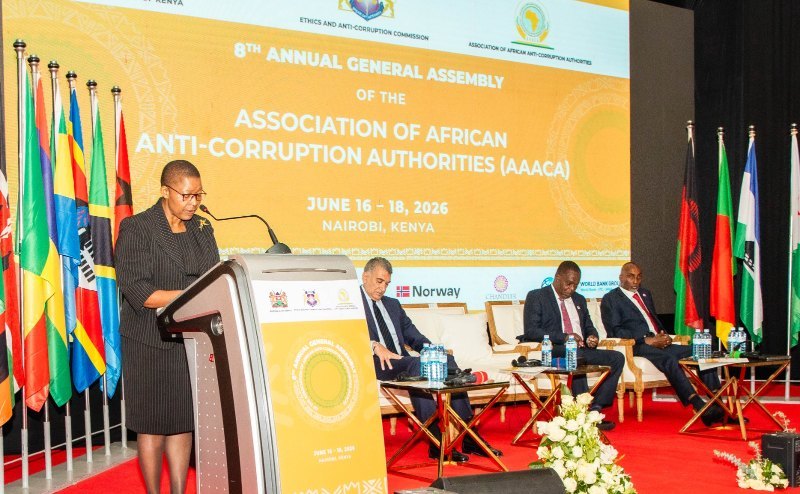
Ethics and Anti-Corruption Commission Chief Executive Officer Abdi Mohamud echoed the President's sentiments, saying corruption has become a continental and global challenge that requires collective action from governments and institutions.
He noted that the assembly would provide a platform to discuss emerging threats linked to digital financial systems, virtual assets and complex corporate structures.
“While technology has created unprecedented opportunities for development, it has also introduced new avenues for concealing illicit wealth. Our institutions must therefore continually enhance their technical capabilities to detect, investigate, and prosecute corruption in the digital age,” Mohamud said.
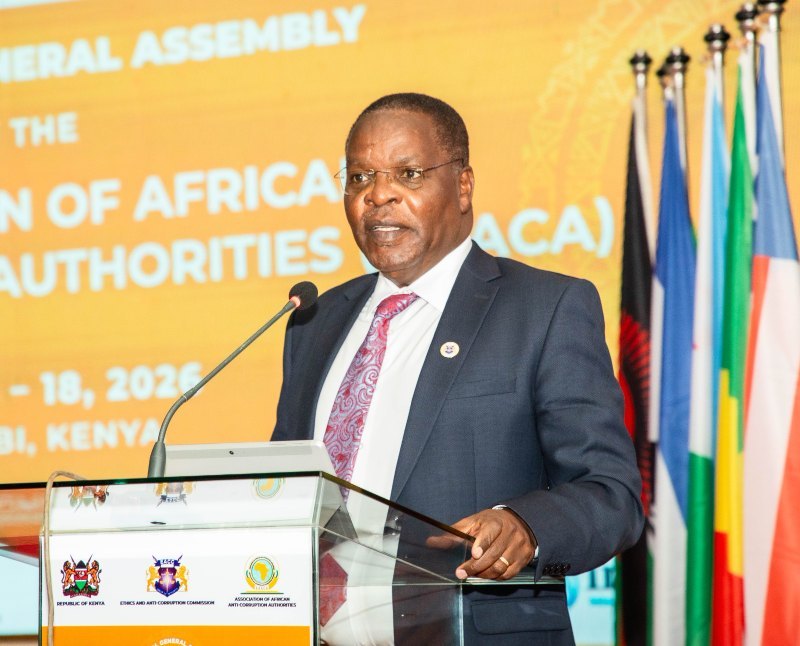
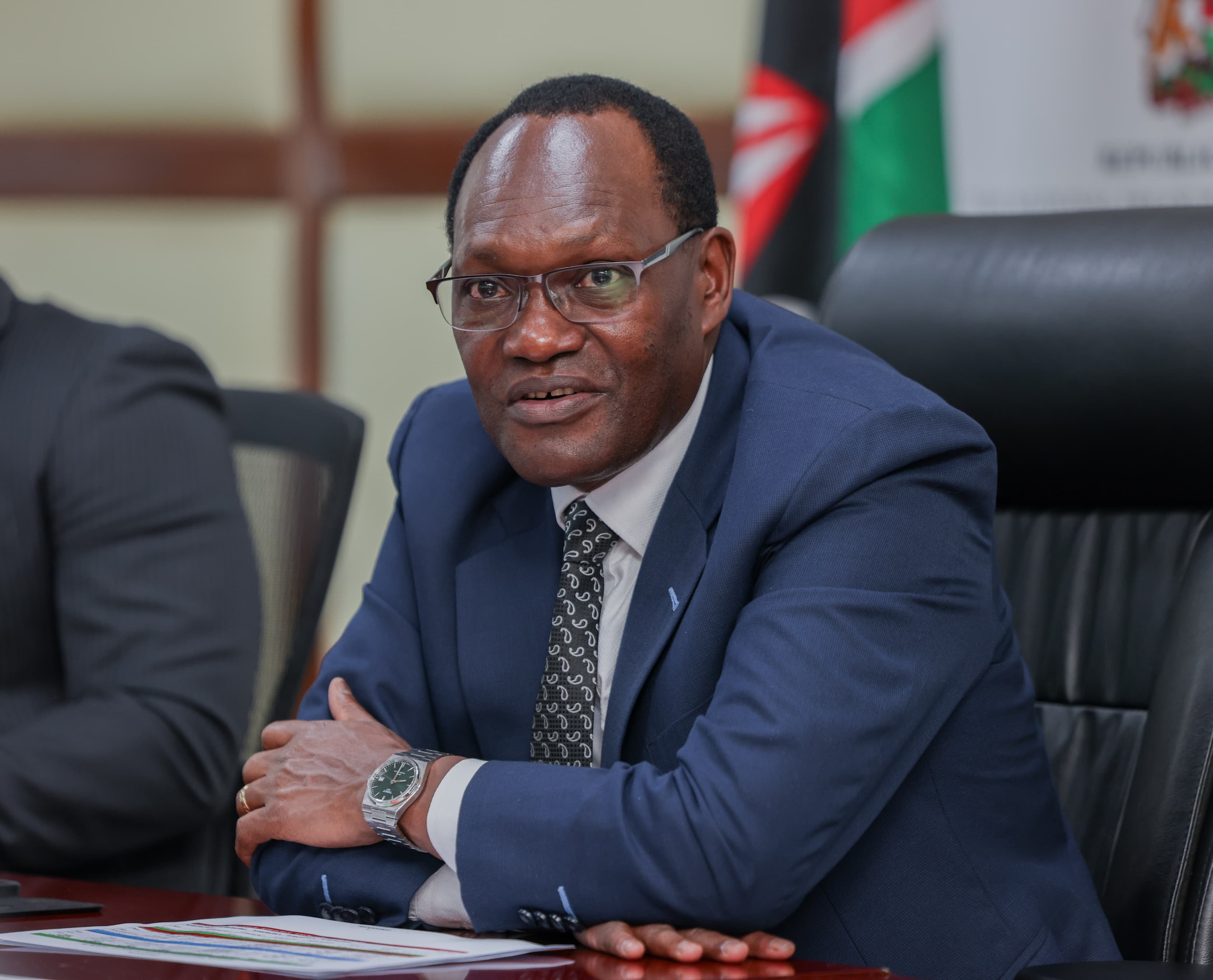
EACC Chairperson Dr David Oginde said corruption continues to undermine Africa's development agenda by slowing economic growth, discouraging investment and diverting resources away from essential public services.
“Let this Nairobi meeting make concrete commitments on cross-border asset recovery, joint training protocols, and shared technological platforms,” Oginde said.
He added that the newly launched Centre for Anticorruption Studies and Research in Africa would play a crucial role in generating research-based solutions tailored to the continent's governance realities.
The centre is expected to strengthen knowledge sharing and support the development of practical strategies to address corruption across Africa.
The conference brought together anti-corruption agencies, policymakers and governance experts from across the continent, highlighting growing recognition that technology, regional cooperation and strong institutions are essential in the fight against graft in Africa.