Taxpayers may be spending close to Sh6 billion in payment of salaries and allowances to ghost workers, according to an Interim Payroll Audit Report.
The report jointly by the Auditor General and the State Department of Public Service and Human Capital also uncovered irregularities in the records of public servants.
To establish the viability of the Government Payroll System, the Department commissioned an independent special audit of HRIS-K covering the Financial Year 2024/2025.
The audit assessed payroll integrity, system integration, compliance, access controls, cybersecurity safeguards, and infrastructure readiness.
Human Resource Information System Kenya (HRIS-K) was found to be inadequately integrated with key systems, with approximately over 300 State Corporations yet to migrate and onboard onto the system.
The report exposes payroll data inconsistencies, which include missing surnames, invalid KRA PINs, multiple IDs, and shared bank accounts which were identified.
About 5,778 employees were found recorded as posted before hire; three employees hired in 2023 have future birth years (2046–2049).
“Irregular earnings totalling Sh5.898 billion were identified, including 15,331 cases of special salary (Sh4.336B), arrears below six months (Sh712.6 million), and arrears beyond six months (Sh555.1 million),” the report states.
About 720 editors were found to have altered 4,732,082 payroll records without timestamps, while 77 employees were found to have edited their own records.
The system was found by the audit to lack Multi-Factor Authentication (MFA), rate limiting, database logging, monitoring, and has not undergone penetration testing for over one year.
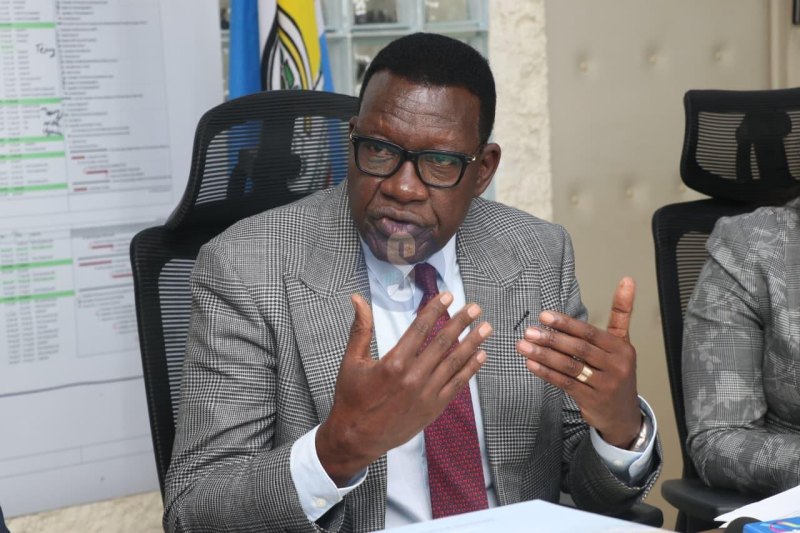
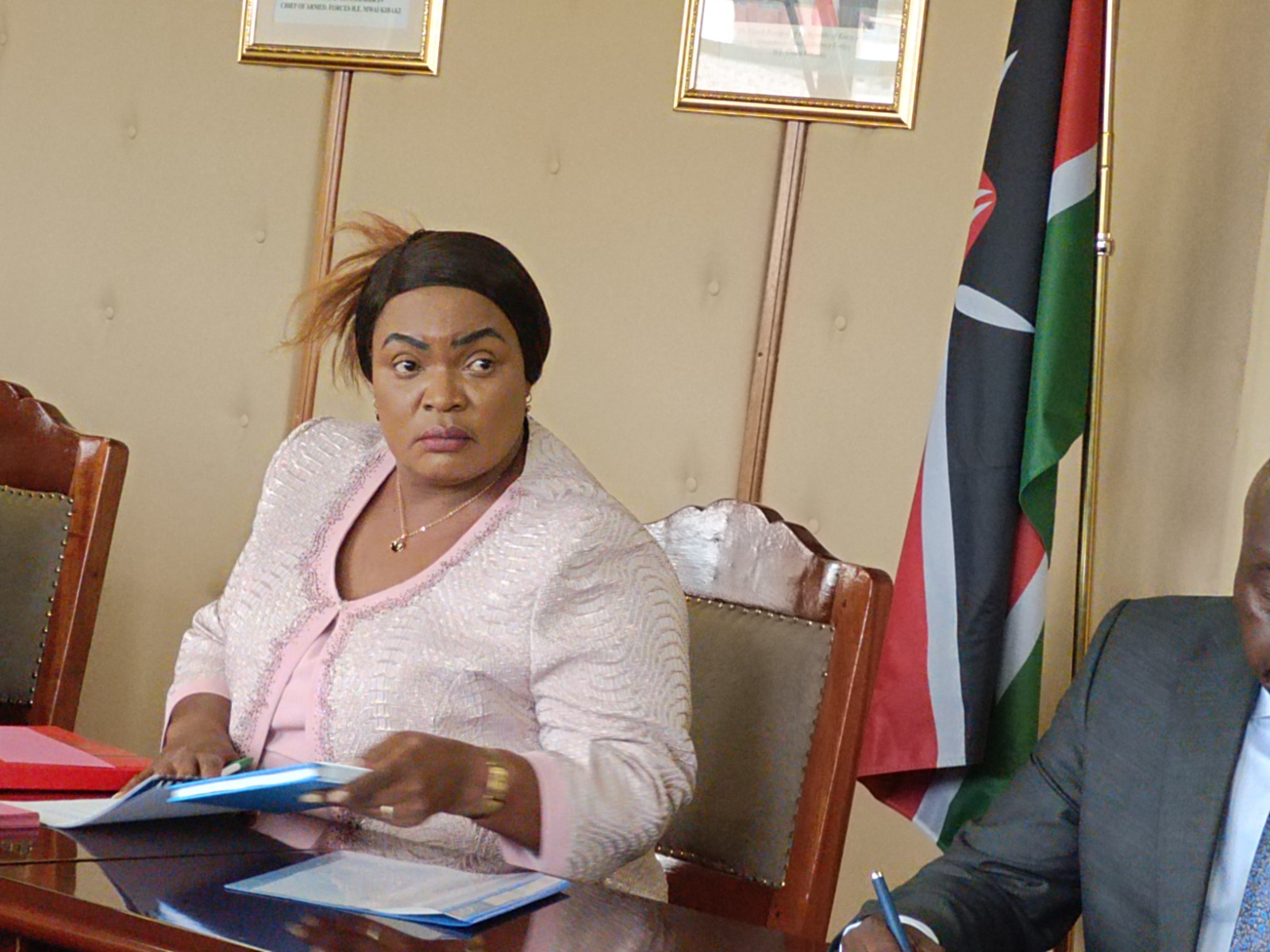
The Public Service PS Jane Imbunya says findings of the HRIS-K payroll audit underscore systemic weaknesses in integration, governance, and controls that expose the Government payroll to significant fiscal, operational, and cybersecurity risks,” the PS said.
“However, the decisive actions already undertaken—particularly the deployment of a multi-agency technical team and initiation of a governance reset—demonstrate the Government’s commitment to reform.”
Moving forward, the Department of Public Service says the success of payroll transformation will depend on firm enforcement of compliance, sustained financing, and strong inter- agency coordination.
Imbunya says the ongoing forensic review and planned system enhancements present a critical opportunity to restore integrity, enhance transparency, and achieve sustainable wage bill management.
In parallel with the forensic process, the Government says, with technical support from the National Intelligence Service (NIS), it is undertaking a comprehensive governance reset and system strengthening programme targeting key control weaknesses.
“We will continue to strengthen integration and encourage full compliance with HRIS-K, while enhancing accountability across all institutions. We are also committed to progressively enhancing system integrity through improved security measures, continuous data validation, and appropriate resolution of payroll anomalies,” she adds.
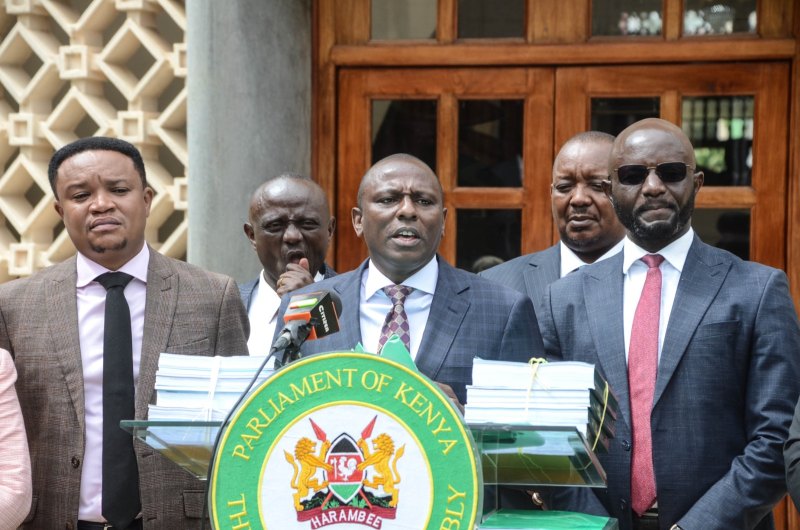
The department, however, said it faces a challenge of a lack of consideration of the Sh138 million awarded by Treasury for the optimisation of the HRIS-Ke infrastructure during the parliamentary review of the supplementary I of 2026, saying the estimates may slow down the momentum in the payroll reform initiative.
“Non-compliance by the players in the payroll reform journey impedes/slows down the payroll reform agenda,” Imbunya adds.