Since
time immemorial, the conversation about democracy in our country has greatly
revolved around elections, political parties and contests for leadership.
However, one critical question remains unanswered; can democracy really be considered inclusive when a significant section of the population continues to face barriers to political participation?
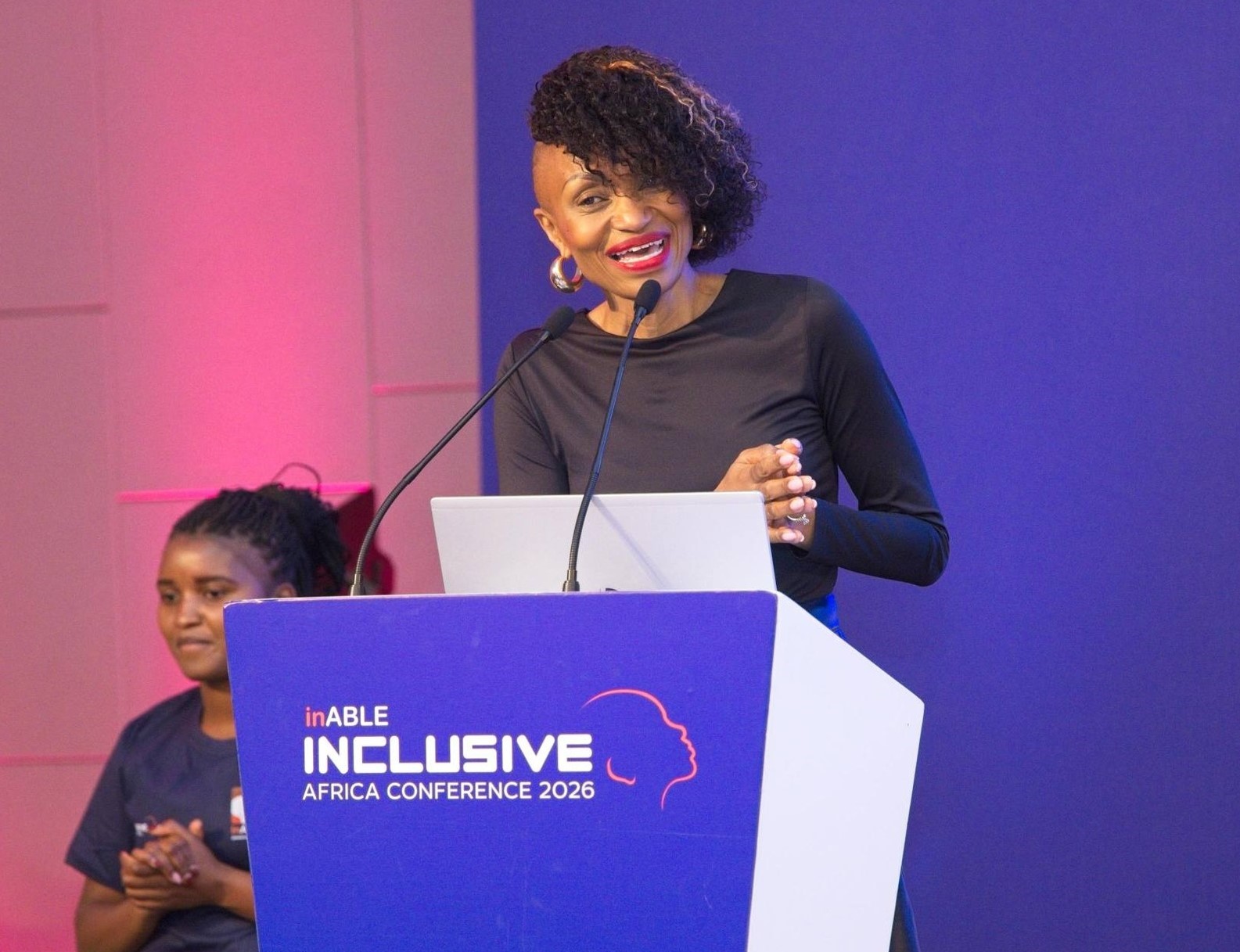
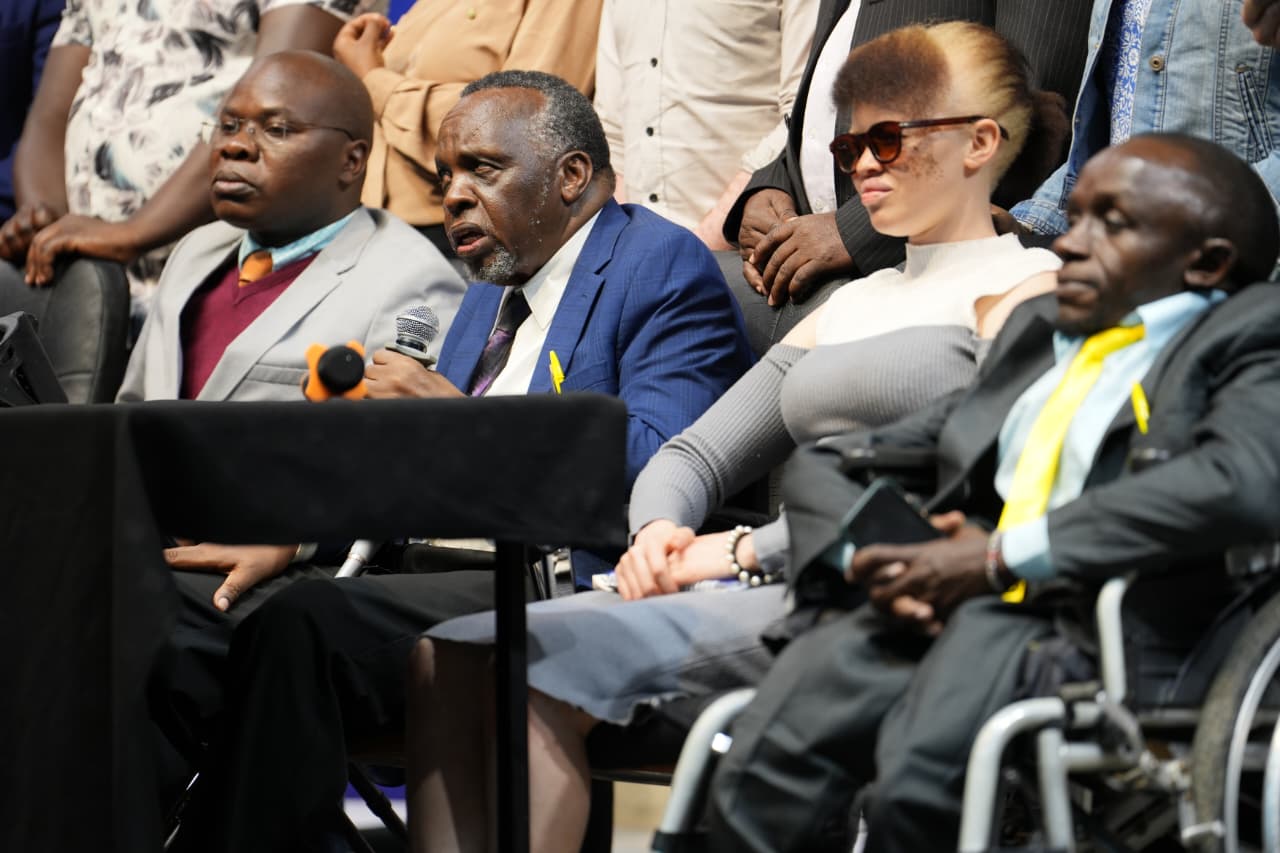
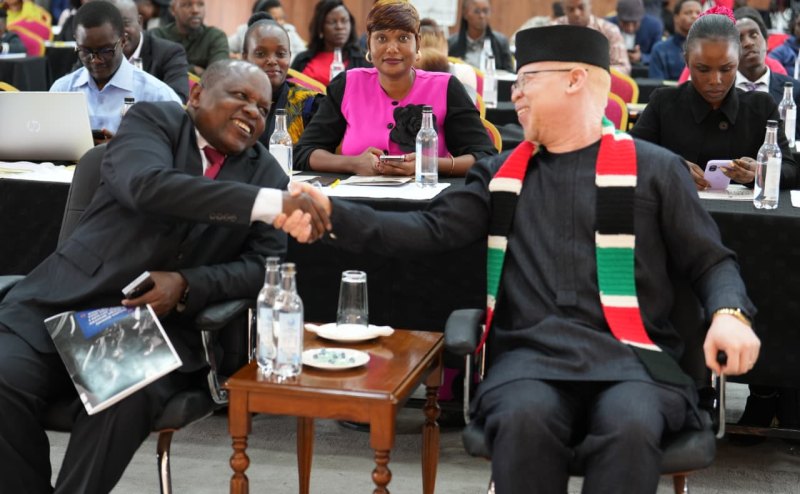
This question took centre stage during the Persons with Disabilities Breakfast forum whose theme was “Enhancing Democracy and Inclusion in the Political Space for Persons with Disabilities.”
Beyond the obvious presentations and discussions of various policies, the forum revealed a deeper truth - the fact that disability inclusion is not just a social issue, but also a democracy issue.
The constitution is very clear, that Persons with Disabilities have the right to participate fully in political and public life.
Institutions have been established and policies formulated, yet the lives reality for many persons with disabilities tell a completely different story.
It was established that the challenge is not the absence of rights - transforming the rights into practical realities remains the problem.
The fact that several county assemblies still lack representation by persons with disabilities demonstrates that significant gaps linger. Representation matters because governance is strongest when it genuinely reflects the diversity of society.
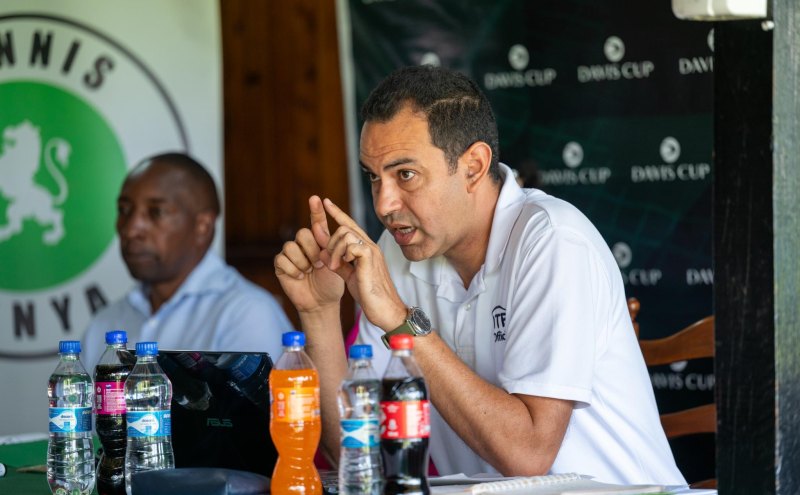
Government Spokesperson Isaac Mwaura captured this reality when he reminded participants that democracy is fundamentally about participation.
“A democracy that excludes certain voices, either intentionally or through barriers, weakens itself. This means that inclusion is therefore not an act of charity, or goodwill or sympathy but a constitutional obligation and without doubt a democratic necessity,” he observed.
The discussions at the forum exposes many layers of exclusion that still exist.
Mwaura regrets that Physical inaccessibility continues to prevent some citizens from engaging in political processes as communication barriers limit access to civic information while social stigma continues to fuel the misconception that disability is incompatible with leadership.
For women and youth with disabilities, the challenges are often compounded by other additional forms of marginalisation that emerged among the issues of concern discussed at the breakfast forum.
These barriers are not limited to theory as they directly affect who gets elected, who participates in public forums, whose voices are heard and eventually whose interests are reflected in governance.
“What emerged is that meaningful political inclusion requires more than representation on paper. It requires deliberate consideration and investment in creating the path for participation,” the Government Spokesperson explains.
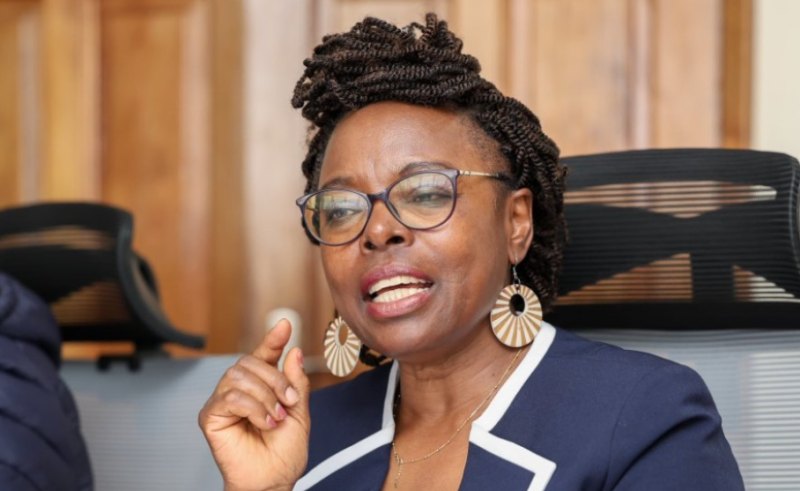
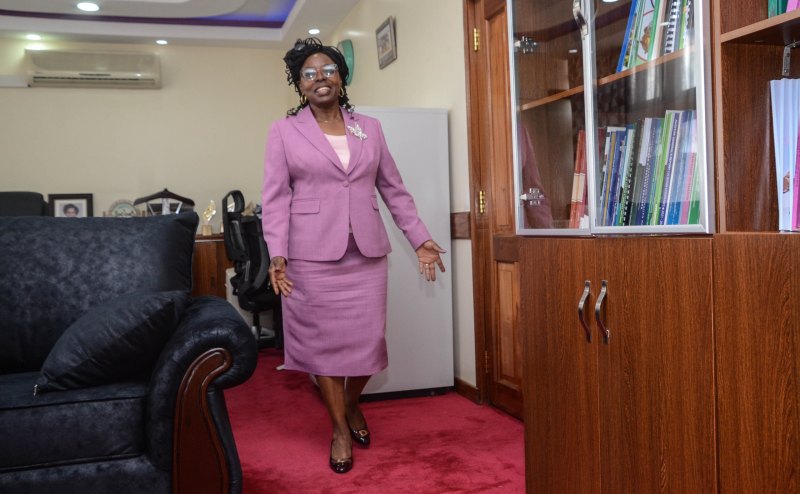
Anastasia Kaberere, a representative of the office of Registrar of Political Parties (ORPP) in the discussions highlighted efforts to make political parties more inclusive by linking funding to the representation of special interest groups.
The establishment of a disability inclusion charter and a multi-party disability caucus reflects a growing recognition that political parties must become active agents of inclusion rather than passive observers, says Kaberere.
Kaberere notes that compliance alone, cannot create an inclusive political culture and political parties remain to be the primary gateway to leadership in Kenya.
They recruit candidates, shape policies and determine who occupies the decision-making spaces, she observes.
“If Persons with Disabilities are absent from party structures, their exclusion will obviously reflect in county assemblies, Parliament and other governance institutions,” the ORPP representative voices her concern.
The conversation cannot stop at whether parties meet legal requirements but it must extend to whether persons with disabilities are genuinely participating in leadership, influencing policy and shaping political discourse.
The National Council for Persons with Disabilities (NCPWD) identified another uncomfortable reality where leadership remains elusive for many due to the high cost of politics.
The Council’s CEO Michael Munene regrets that elections are expensive with campaigns requiring resources as mobilisation demands networks and visibility.
“For many individuals, these realities create barriers long before the thought of submission of nomination papers.” Dr. Munene laments.
This, he observes, raises a challenge for the makers of policy and political figures in regard to inadequacy of the current support mechanisms that need more intentional interventions to ensure that leadership opportunities are actually accessible.
Polling stations must be accessible, Civic education available in formats that accommodate diverse needs and political parties must intentionally nurture leaders with disabilities and Public participation processes be designed with inclusion at the heart.
Most importantly, society must begin to view persons with disabilities not as beneficiaries of special consideration but as equal citizens, leaders and contributors to national development. The future of democracy in Kenya will not be measured only by voter turnout or electoral outcomes.
It will also be measured by how effectively the country ensures that every citizen, regardless of ability, has an equal opportunity to participate, lead and influence decisions that shape the nation's future.
Positively the forum highlighted signs of progress among them the creation of structures that are focused on disability by political parties a factor that has seen more persons with disabilities expressing interest in elective positions with government agencies, electoral institutions and civil society organisations working more closely to strengthen inclusion.
As Kenya continues to strengthen its democratic institutions, inclusion must move from being a policy aspiration to becoming standard practice.