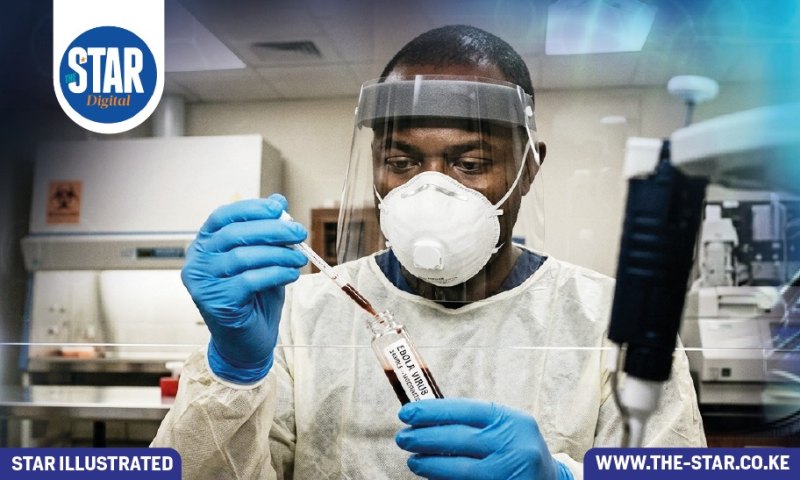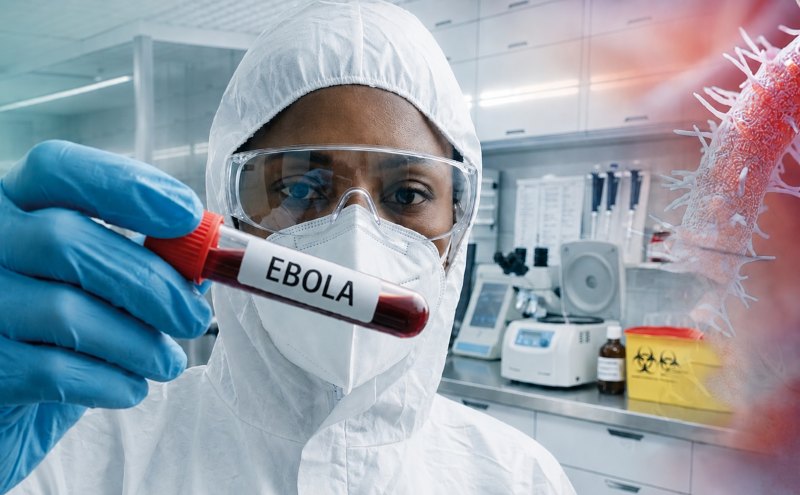
Leaders of the G7 nations, backed by partner countries including Kenya, have called for a coordinated international response to contain a resurgent Ebola outbreak in the Democratic Republic of Congo (DRC) and Uganda, warning that the disease poses a significant global health security threat.
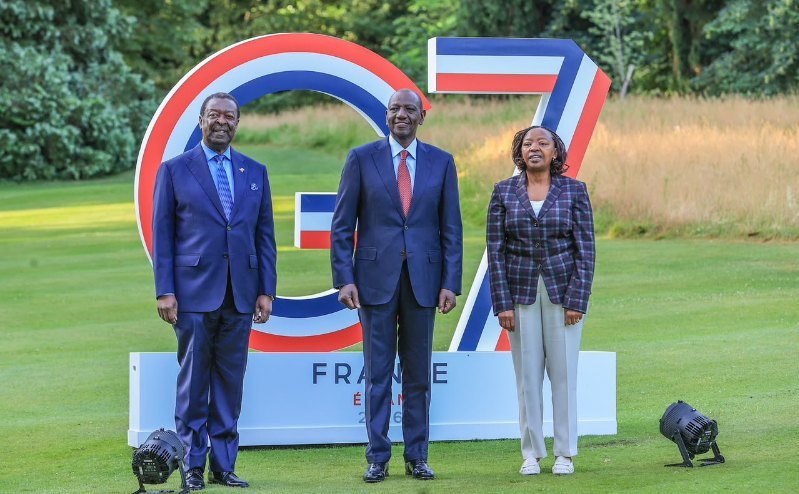
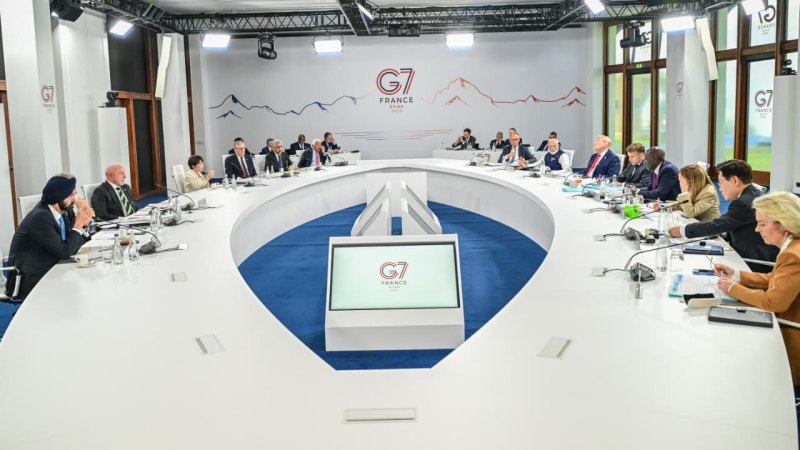
In a joint statement issued after discussions at the G7 Summit in France, the leaders expressed solidarity with affected communities and pledged to mobilise financial, technical and humanitarian support to prevent the virus from spreading beyond the outbreak zones.
The statement was endorsed not only by the G7 countries but also by Egypt, India, Kenya and South Korea, reflecting growing international concern over the outbreak.
"We are deeply saddened by the loss of lives and the burden that the disease is inflicting on the affected communities and stand in solidarity with the countries affected," the leaders said.
The outbreak is centred in an isolated and conflict-affected region of eastern DRC, where insecurity and logistical challenges have complicated containment efforts.
Leaders noted that existing vaccines, diagnostic tools and treatments are not fully effective against the rare Ebola strain involved in the current outbreak.
They praised healthcare workers, volunteers, local communities and national governments for their efforts in responding to the disease despite difficult circumstances.
The G7 said the immediate priority is preventing further spread within eastern DRC and into neighbouring countries, stressing that effective contact tracing, laboratory testing, border surveillance, quarantine measures and community engagement will be critical to ending the outbreak.
"Containing and ending the outbreak will depend on effective contact tracing, infection prevention and control, quarantine and isolation practices, laboratory testing, cross-border preparedness, border surveillance and community engagement," the statement said.
The leaders also committed to supporting the rapid development and deployment of vaccines, diagnostics and treatments specifically tailored to the current outbreak.
Among the contributions highlighted was more than $370 million already deployed by the United States in health and humanitarian resources, alongside a commitment to provide up to an additional $500 million for Ebola response efforts.
The European Union was commended for mobilising €493 million in emergency aid, vaccine support, treatment programmes and health security initiatives in the Great Lakes region and Uganda, including €84 million in immediate humanitarian assistance.
In Africa, a continental preparedness and response plan has mobilised $518 million to help countries strengthen surveillance, preparedness and rapid response mechanisms.
The G7 leaders urged countries beyond the group to contribute resources and expertise to support global containment efforts.
The statement also linked the outbreak response to broader humanitarian efforts led by the United Nations, backing a humanitarian reset coordinated by the UN Office for the Coordination of Humanitarian Affairs aimed at reaching 87 million people with life-saving assistance in 2026.
With millions of people expected to travel internationally in the coming months for business, tourism and major sporting events, including the FIFA World Cup being hosted by the United States, Canada and Mexico, the leaders stressed the need for coordinated public health measures.
They pledged to strengthen cooperation among national authorities and work towards consistent travel, quarantine and isolation procedures for individuals coming from affected regions, while respecting national sovereignty.
The leaders further noted that ongoing conflict in eastern DRC continues to hamper public health interventions and called on all parties to honour commitments under the Washington Accords for Peace and Prosperity and the Doha Framework.
To improve the effectiveness of the response, the G7 called on humanitarian and health agencies to enhance coordination and avoid duplication of efforts, while aligning interventions with plans developed by the United Nations.
The United States announced it would convene a meeting of G20 foreign ministers to discuss additional collective action and secure broader financial support for what leaders described as a public health emergency requiring a united global response.
For Kenya, which endorsed the call to action, the declaration underscores Nairobi's growing role in global health diplomacy and regional disease surveillance efforts, particularly given its position as a transport and trade hub in East Africa.
The country's support also reflects broader African concerns about preventing cross-border transmission and strengthening preparedness against future outbreaks.