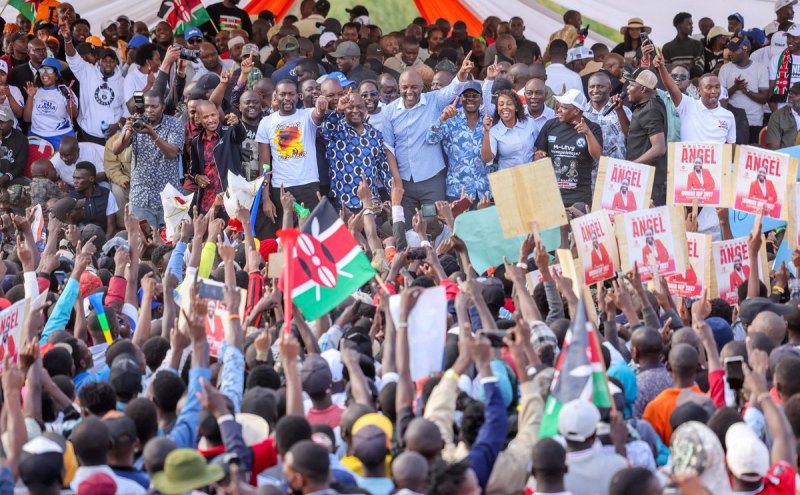
Safina Party leader Jimi Wanjigi./ENOS TECHE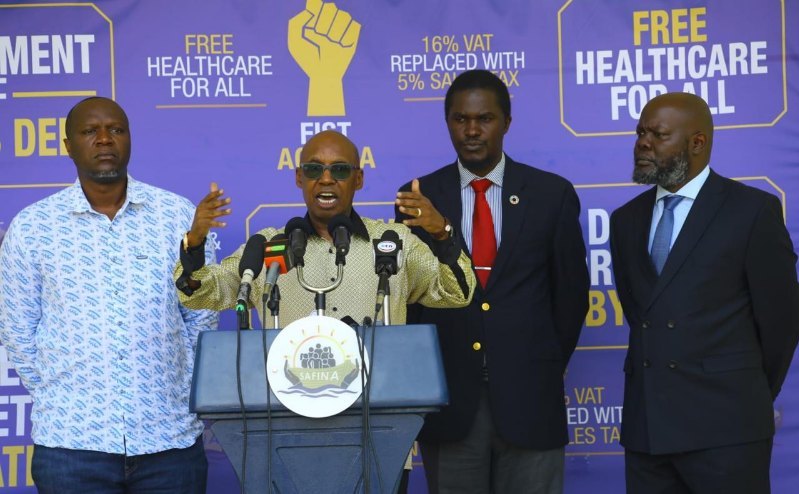
Safina Party leader Jimi Wanjigi has accused the government of using taxpayers’ money to service what he termed “illegal debts", calling for an urgent audit and review of Kenya’s public debt obligations.
Speaking during a press briefing in Nairobi, Wanjigi questioned why the State continues to repay debts whose legality, he argued, has not been fully examined.
“Kenya is paying illegal debts. Stop paying for illegal debt that was incurred during Uhuru’s time. It is hurting Kenyans,” he said.
He claimed that billions allocated to debt repayment could instead be redirected to key sectors such as healthcare and education, which he said are underfunded due to heavy debt.
Wanjigi also faulted the government over continued borrowing, warning that the country’s growing debt burden is placing excessive pressure on taxpayers and constraining economic growth.
He said Kenya’s public debt, estimated at about Sh13 trillion, has reached unsustainable levels, with debt servicing consuming a significant share of government expenditure.
He further raised concern over rising domestic borrowing through Treasury bills and bonds, arguing that it risks crowding out private sector lending and slowing investment.
The Safina Party leader also called on Kenyans to reject the proposed Finance Bill 2026, arguing that it would deepen the tax burden on households already facing high living costs.
He claimed the government plans to raise an additional Sh120 billion through taxation, which he said would further strain citizens and businesses.
“The debts the Kenya Kwanza administration are paying are illegal, and we will not allow that,” he said.
Wanjigi further alleged that some debts were incurred through irregular processes, calling for stronger parliamentary oversight and transparency in public borrowing.
He questioned the legitimacy of debts allegedly contracted without full parliamentary approval, urging financial institutions to exercise caution when lending to the government.
Wanjigi said the projected Sh2.6 trillion annual debt servicing bill was increasingly competing with essential public services such as healthcare, education, agriculture, and infrastructure development.
He concluded by advocating for what he termed an “economic sovereignty” agenda focused on reduced taxation, disciplined borrowing, and stronger accountability in public finance management.