
The push comes amid two significant developments.
The establishment of a joint committee bringing together the National Police Service, the Auctioneers Licensing Board and auctioneers' associations to address operational challenges in enforcement and a parallel appeal by industry leaders to be included in the government's planned review of the Auctioneers Act and the Insurance Act.
Industry stakeholders believe the twin initiatives present a rare opportunity to modernise the sector, eliminate long-standing bottlenecks and improve public confidence in the enforcement of legal and financial obligations.
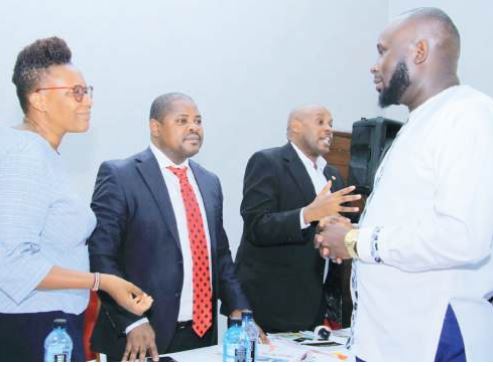
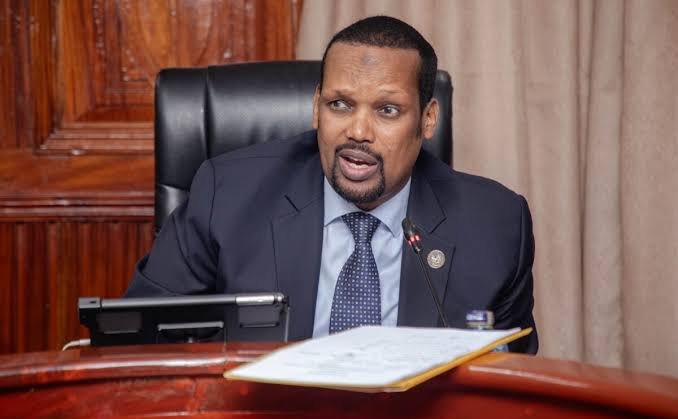
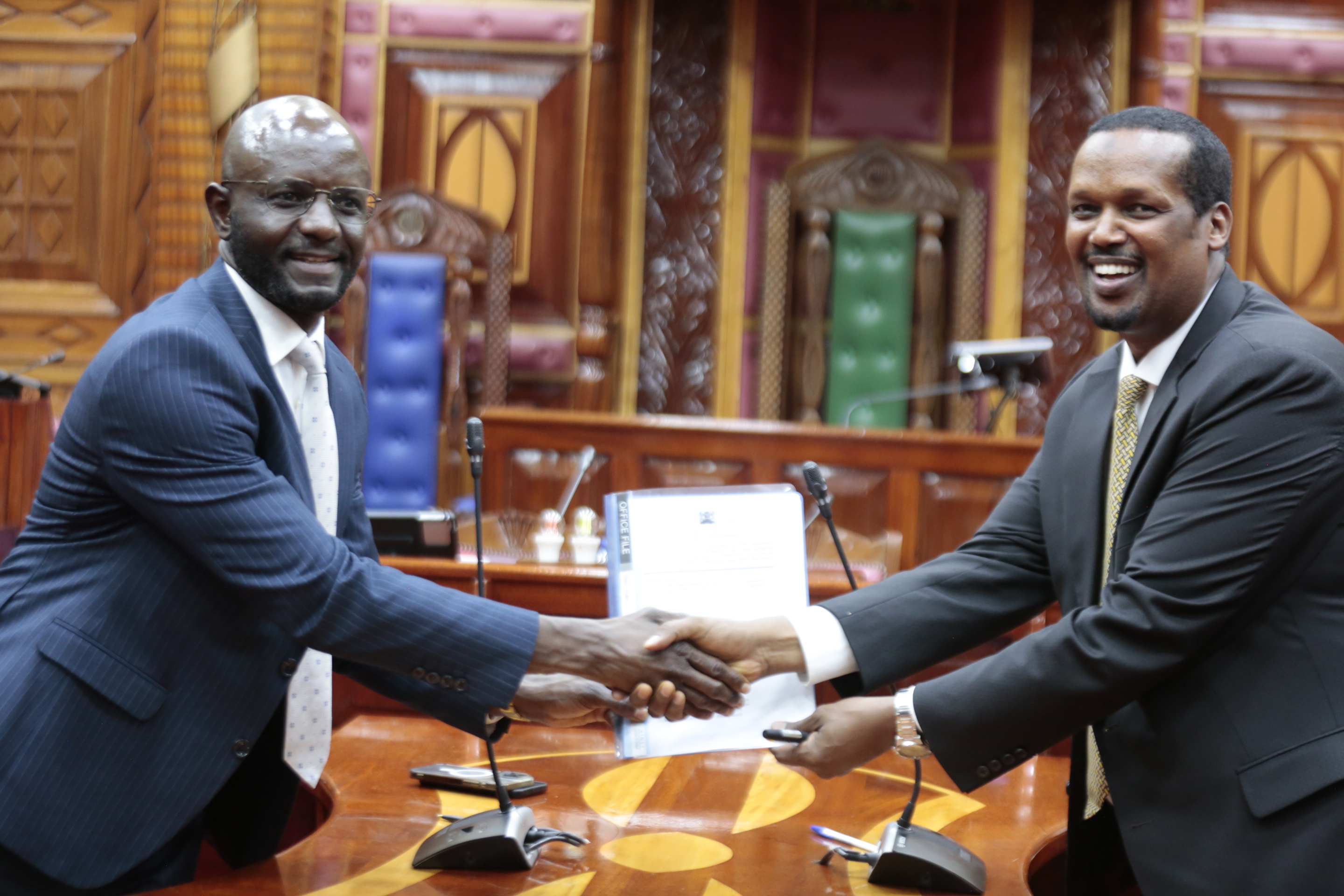
The decision to establish a joint ad hoc committee was reached during a high-level meeting between the Inspector General of Police and representatives of the Auctioneers Licensing Board, the National Association of Kenya Auctioneers (Naka) and the Kenya National Society for Professional Auctioneers (Kensap).
The discussions focused on persistent challenges that have for years hampered the smooth execution of court orders and other lawful enforcement processes across the country.
Among the concerns raised was the lengthy verification of court orders by some police stations before officers provide security assistance during enforcement operations.
Auctioneers argued that these delays often prolong the execution process, increase operational costs, and deny litigants timely access to justice.
The meeting also addressed allegations that some officers commanding stations demand unofficial facilitation fees before deploying police officers to support enforcement exercises.
Participants noted that such practices undermine transparency, compromise professional standards, and erode public trust in both law enforcement agencies and the auctioneering profession.
Another issue highlighted was the apparent misunderstanding among some police officers regarding enforcement actions that do not require court orders, including the repossession of charged assets and distress for rent.
According to auctioneers, such misconceptions have on several occasions led to unnecessary delays, disputes and interference with lawful recovery processes.
Stakeholders further emphasised the need for continuous training and sensitisation of police officers on the provisions of the Auctioneers Act and related regulations to improve coordination and reduce legal misunderstandings during enforcement operations.
Industry leaders also warned that rogue operators frequently use intimidation, threats and violence, exposing members of the public to fraud and abuse while tarnishing the reputation of licensed practitioners who operate within the law.
To address these concerns, the parties agreed to establish a joint ad hoc committee comprising representatives from the NPS, the Auctioneers Licensing Board, Naka and Kensap.
Naka chairman Maurice Osundwa welcomed the initiative, describing it as a major step towards strengthening the administration of justice and fostering greater cooperation among stakeholders.
"Effective enforcement of court orders is a critical pillar of the justice system. The formation of this committee demonstrates a shared commitment by all stakeholders to address existing bottlenecks, eliminate illegal practices and ensure that lawful enforcement processes are carried out efficiently and professionally," Osundwa said.
Even as efforts to improve enforcement operations gather momentum, auctioneers are also seeking a greater role in shaping upcoming legal reforms.
In a joint memorandum, Naka and Kensap formally wrote to the Office of the Attorney General seeking urgent consultations and representation in the planned review of the Auctioneers Act and the Insurance Act.
The proposed legislative reforms stem from recommendations made during a consultative forum chaired by President William Ruto with transport sector stakeholders last month.
However, the auctioneers' associations argue that they were not represented during the stakeholder consultations despite being among the primary implementers of the legal frameworks under review.
Kensap chairman Philip Kiluya said practitioners who interact with the laws daily possess practical insights that are essential for meaningful reform.
"As the leadership of the auctioneers fraternity in Kenya, we were not present at the meeting where deliberations concerning these laws were held.
“We
therefore believe it is important that practitioners who interact with these
laws daily are involved before any amendments are undertaken," Kiluya said.
According to the two associations, any amendments to the Auctioneers Act and the Insurance Act could have far-reaching implications for lenders, insurers, landlords, transport operators, consumers and the wider justice system.
Osundwa said that licensed auctioneers possess extensive experience gained through their daily interaction with the legal, financial, insurance and transport sectors.
"We are active users of the Auctioneers Act and are directly involved in the realisation of securities, execution of court warrants, repossessions, distress for rent, and evictions. Our experience on the ground provides valuable insights that can help shape reforms that are practical, balanced, and responsive to stakeholder needs," he said.
Kiluya added that meaningful consultation would help ensure that the proposed amendments strengthen, rather than weaken, justice delivery mechanisms.
"Our contribution to the review of both Acts would be critical to the betterment of justice delivery. Inclusive policymaking is essential if the reforms are to address existing challenges while safeguarding the rights of all parties involved," he said.
The associations have urged the Attorney General and the Auctioneers Licensing Board to convene a broad consultative forum bringing together all stakeholders involved in the review process.