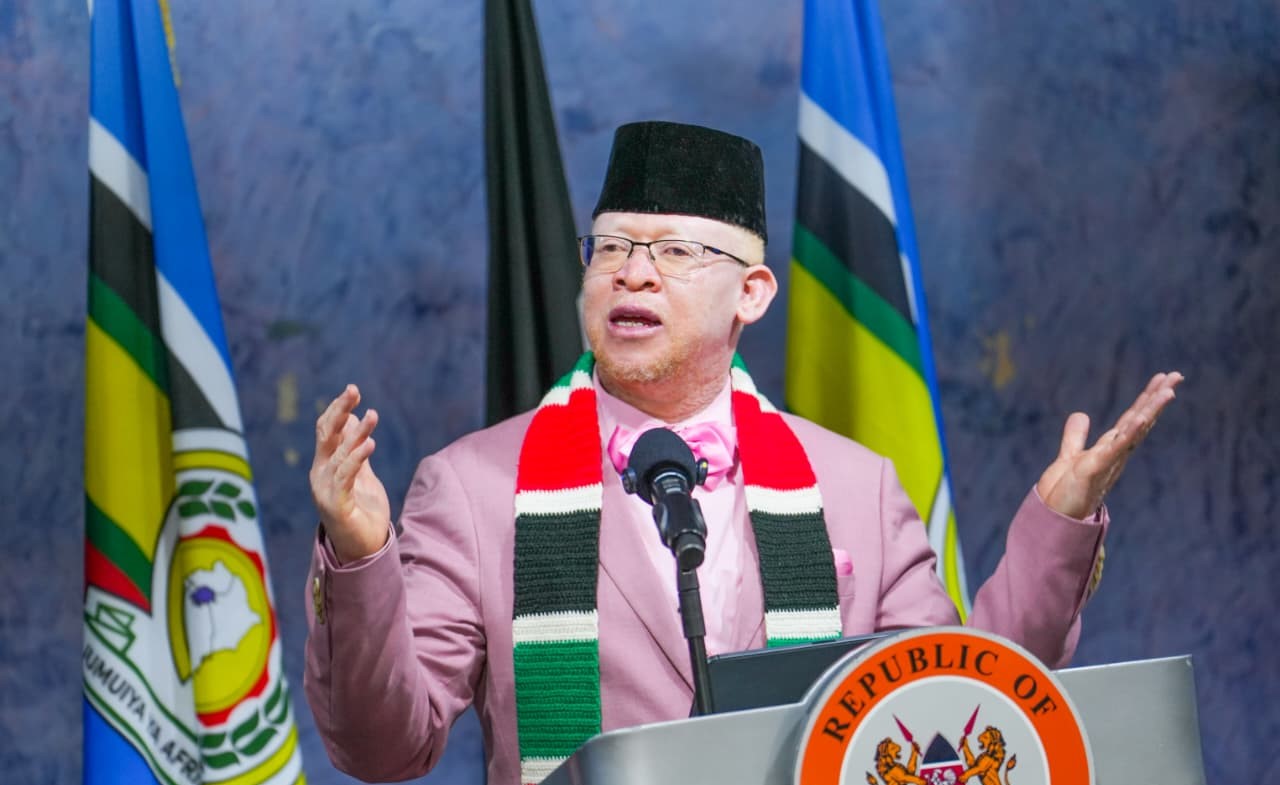
Government Spokesman Isaac Mwaura has expressed concern over a growing wave of student unrest across the country, saying the trend points to deeper social challenges that require urgent attention from parents, teachers and the community.
Mwaura said recent school strikes reflect rising cases of indiscipline, destruction of property and disruption of learning, warning that the situation risks undermining gains made in the education sector.
He said incidents of arson, violence and damage to school facilities have become increasingly worrying, raising questions about the values and support systems available to young people.
Mwaura stressed that the unrest is not solely an education issue but a reflection of broader societal pressures affecting families.
“A growing wave of student unrest across the country has triggered fresh concern about discipline and the welfare of learners. Recent school strikes point to deeper social challenges that require urgent intervention from parents, teachers and the wider community. Destruction of school property, disruption of learning and rising cases of indiscipline are becoming a worrying trend that threatens to undermine the gains made in the education sector,” he said.
Mwaura said schools must remain safe environments, adding that increasing cases of indiscipline signal a need for collective responsibility in addressing the problem.
“Incidents of arson, violence and destruction of school facilities have become increasingly concerning, raising questions about the values and support systems available to young people. Schools should remain safe environments where learners can pursue their education free from fear, disruption and insecurity,” he said.
The government spokesman urged parents to take a more active role in shaping their children's character and behaviour, noting that while teachers and school administrators play a key role in nurturing learners, discipline and responsibility are largely developed at home.
He encouraged parents to spend more time engaging with their children, monitoring their activities and understanding the challenges they face, particularly during adolescence.
Mwaura observed that many of the challenges affecting schools today reflect wider societal issues, including substance abuse, peer pressure, social media influence and weakening family structures.
He warned that without deliberate efforts to strengthen mentorship and guidance for young people, the country risks further erosion of discipline and social values.
The government spokesman called for a national conversation on the values shaping Kenya’s next generation, saying the rise in indiscipline, violence and moral decay should serve as a wake-up call.
He urged religious leaders, educators, policymakers, parents and community leaders to work together to instil integrity, patriotism, accountability and respect among learners.
Mwaura maintained that addressing school unrest requires a collective approach beyond disciplinary measures, emphasizing the need to nurture responsible citizens equipped with strong values and life skills.
He said the government remains committed to supporting efforts to safeguard learners and ensure a stable learning environment.
Mwaura also raised alarm over rising youth violence, warning that a series of recent incidents involving young people highlight the need for stronger mentorship and mental health support programmes.
He said unresolved social pressures, negative peer influence and exposure to harmful content are contributing to risky behaviour among the youth, calling for increased investment in guidance and counselling programmes in schools and communities to help build responsible and productive citizens.