

As Men's Mental Health Awareness Month is observed globally, experts and members of the public are calling for greater attention to the mental wellbeing of men, many of whom continue to struggle silently under the weight of societal expectations.
Mental health professionals say men today face a range of challenges, including depression, anxiety, stress, substance abuse, burnout, loneliness, childhood trauma and emotional exhaustion.
However, these struggles often go unnoticed because they do not always appear in conventional ways.
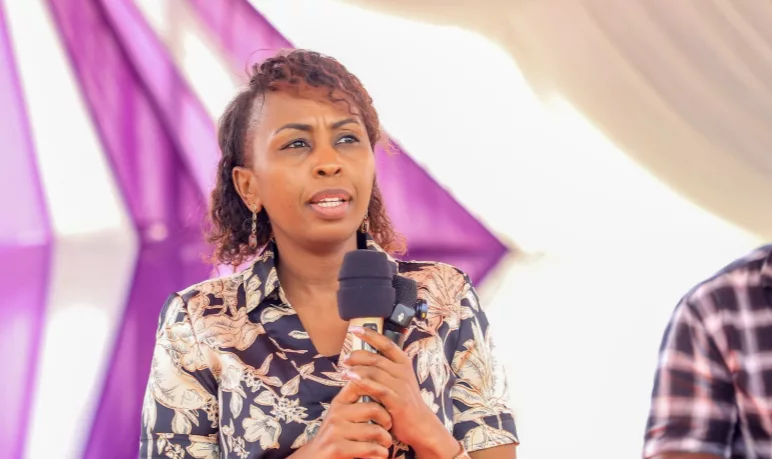
According to counselling psychologist and mental health advocate Virginia Naishoki, men are less likely to openly admit that they are depressed or struggling emotionally.
"Instead, it may show up as anger, withdrawal, irritability, overworking, risk-taking behaviour or alcohol and drug use," she said.
Naishoki attributes much of the problem to cultural beliefs surrounding masculinity. Many boys are raised to believe that strength means remaining silent and handling problems alone.
"They are told to 'man up', 'be strong', or 'stop crying'. Over time, they learn that vulnerability is risky and that expressing emotions may lead to judgment rather than support," she explained.
The psychologist said many societies continue to define a man's worth by his ability to provide, protect, and succeed. As a result, financial struggles, unemployment, and relationship difficulties can have a significant impact on men's mental wellbeing.
Members of the public interviewed echoed these concerns.
Elvis Chege described mental health as the ability to cope with life's challenges and maintain normal functioning. He believes many men feel compelled to hide their struggles because society expects them to remain strong.
"In Africa, men's mental health is not taken seriously because men are perceived as masculine and not talkative," he said.
Chege identified depression and addiction as some of the most pressing mental health challenges affecting men today. He also noted that stigma discourages many from seeking professional help.
Similarly, Jamal Musa said many men suffer in silence due to fear of judgment.
"Most men remain silent and carry their burdens alone because they fear being judged by society," he said.
Musa added that societal pressure to achieve financial stability and success often contributes to emotional distress among men. He believes many men avoid seeking help because they fear their struggles will be dismissed or misunderstood.
Experts say family members and friends can play a critical role by paying attention to behavioural changes such as increased isolation, irritability, excessive drinking, poor sleep, or unusual withdrawal from social activities.
Naishoki is urging men to prioritise their wellbeing by building meaningful relationships, maintaining healthy lifestyles, and seeking support before reaching a crisis point.
"You do not have to earn support by reaching a breaking point," she said. "Strength is recognising when something is heavy and allowing others to help carry it."
As
conversations around mental health continue to grow, advocates hope that
breaking the stigma surrounding men's emotional wellbeing will encourage more
men to seek help and remind them that they do not have to face their struggles
alone.