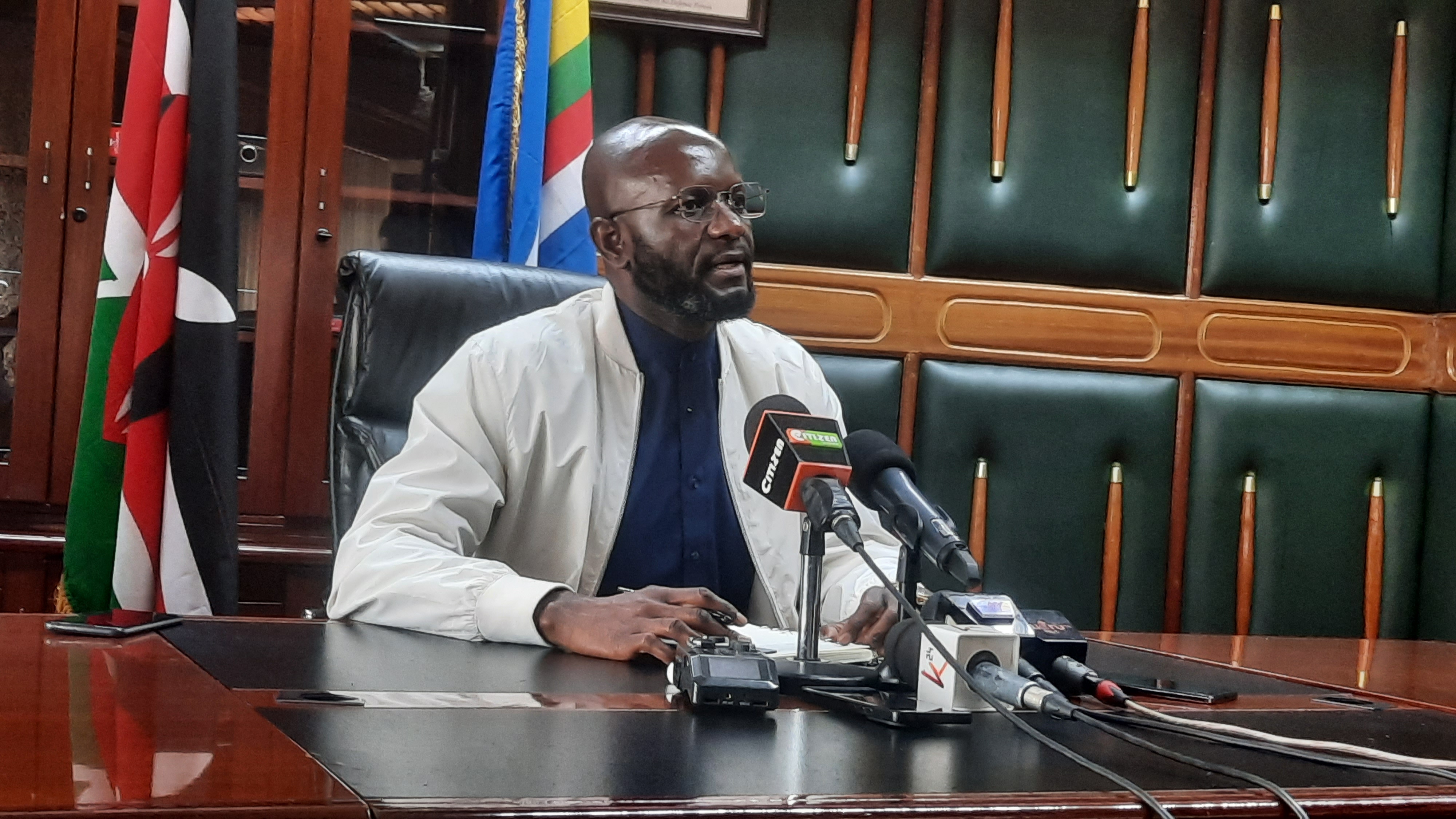
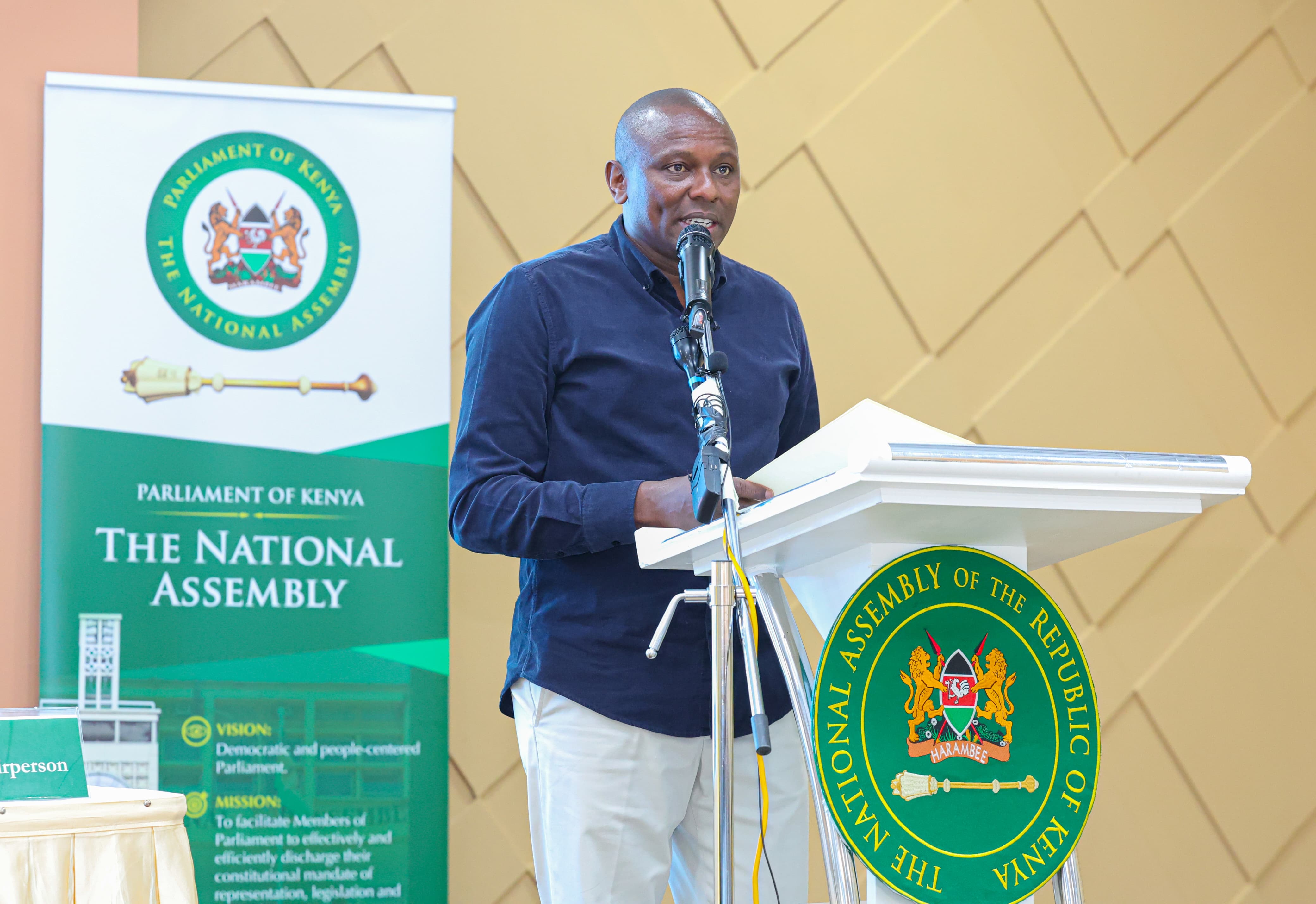
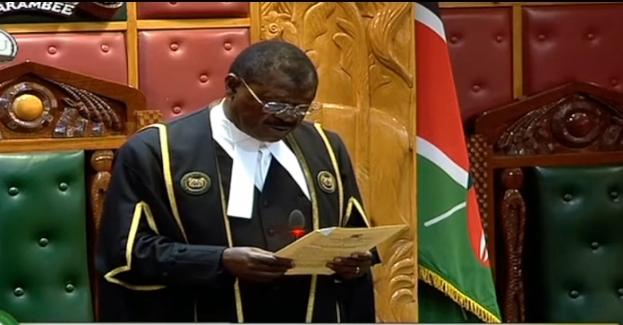
 National Assembly Speaker Moses Wetang'ula addressing members of the National Assembly on May 26, 2026/ SCREENGRAB
National Assembly Speaker Moses Wetang'ula has called for a coordinated national response to rising fuel prices, warning against politicising the issue amid growing public concern over the high cost of transport and commodities.
Addressing members of the National Assembly on Tuesday, the Speaker said the fuel crisis required collective engagement between the government, Parliament and the private sector to protect the economy and livelihoods.
“Members, it is my view that the issue of rising fuel costs may only be addressed through objective, constructive and cross-cutting efforts across all players including the national government, the legislature and our private sector,” Wetang’ula said.
He cautioned leaders against making divisive remarks over the matter, saying isolated statements risked turning a national economic challenge into a political contest.
“Isolated and subjective utterances are unhelpful at this time and only serve to politicise a matter that is of critical concern to our economy and the welfare of all Kenyans,” he added.
The remarks come amid sustained public concern following sharp increases in fuel prices announced earlier this month by the Energy and Petroleum Regulatory Authority.
In its May 14 fuel review, EPRA increased the price of Super Petrol by Sh16.65 per litre and Diesel by Sh46.29 per litre, pushing pump prices in Nairobi to Sh214.25 and Sh242.92 respectively.
The increases triggered protests from transport operators, motorists and sections of the business community, with matatu operators and boda boda riders warning that the higher fuel costs would translate into increased transport fares and higher living expenses.
Political debate over the recent fuel price increased, with some leaders criticising the government’s handling of the crisis while others defended the latest interventions announced to cushion consumers and transport operators.
The Transport Sector Alliance later organised a nationwide strike that disrupted public transport services in several towns and cities as operators demanded government intervention to lower diesel prices.
Thousands of commuters were forced to walk to work after matatus, online taxi operators, cargo transporters and motorcycle riders withdrew services during the demonstrations.
Following the protests, the government announced a reduction of diesel prices by Sh10.06 per litre as part of measures aimed at easing pressure on transport operators and consumers.
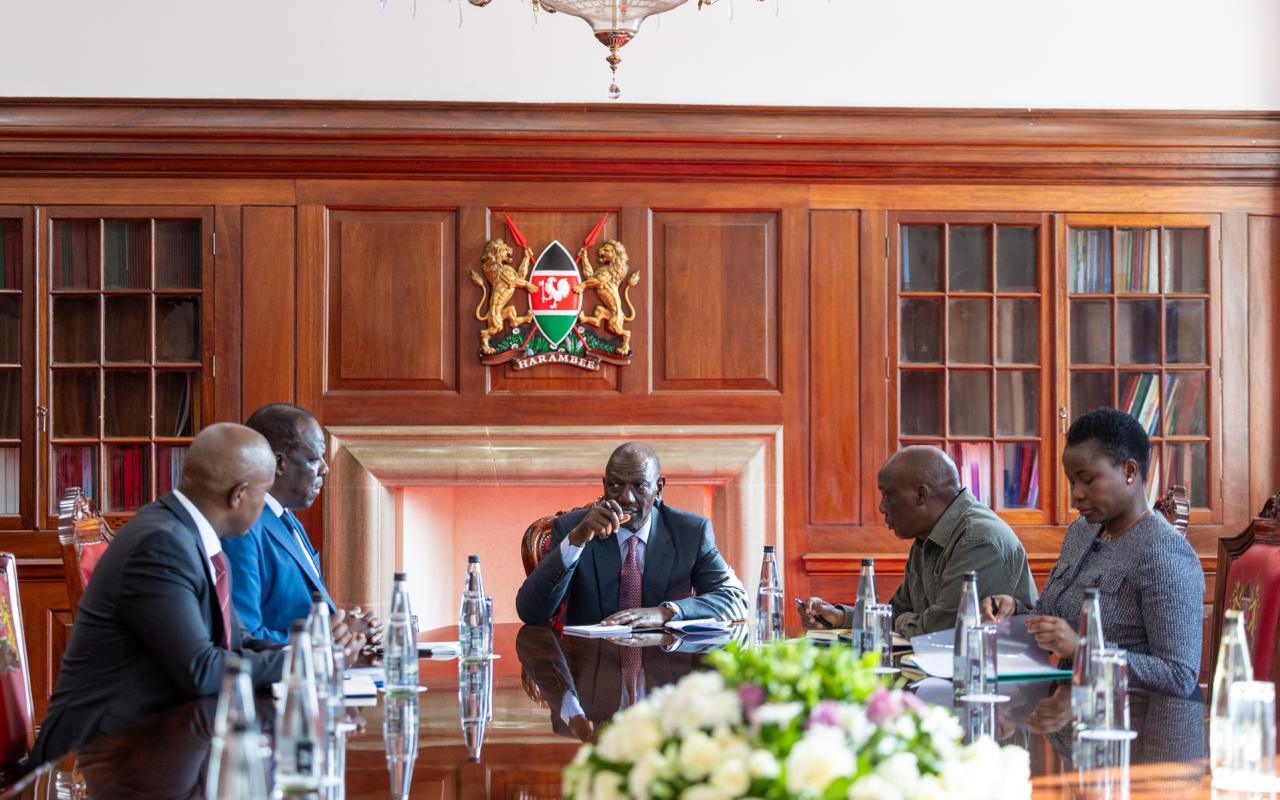
President William Ruto later held consultations with leaders from the transport sector at State House in Mombasa, where the government pledged an additional reduction of Sh10 per litre in the June-July fuel review cycle.
The intervention paved the way for matatu operators to call off a planned strike that had threatened to paralyse transport services across the country.
National Chairman of the Matatu Owners Association Albert Karakacha confirmed the decision after talks with the government, saying operators would resume normal services while engagement on fuel prices continued.
The fuel price increases have also sparked demonstrations in parts of the country including Nyahururu, where youths and boda boda riders staged protests over the rising cost of fuel and living expenses.
Businesses in some affected towns were temporarily closed while transport operations were disrupted during the demonstrations.
Wetang’ula’s remarks now add to growing calls for a broader policy response as concerns persist over the impact of fuel prices on transport, food costs and overall economic activity.