The High Court has ordered the disclosure of crucial
documents in a petition filed by Busia Senator Okiya Omtatah challenging the
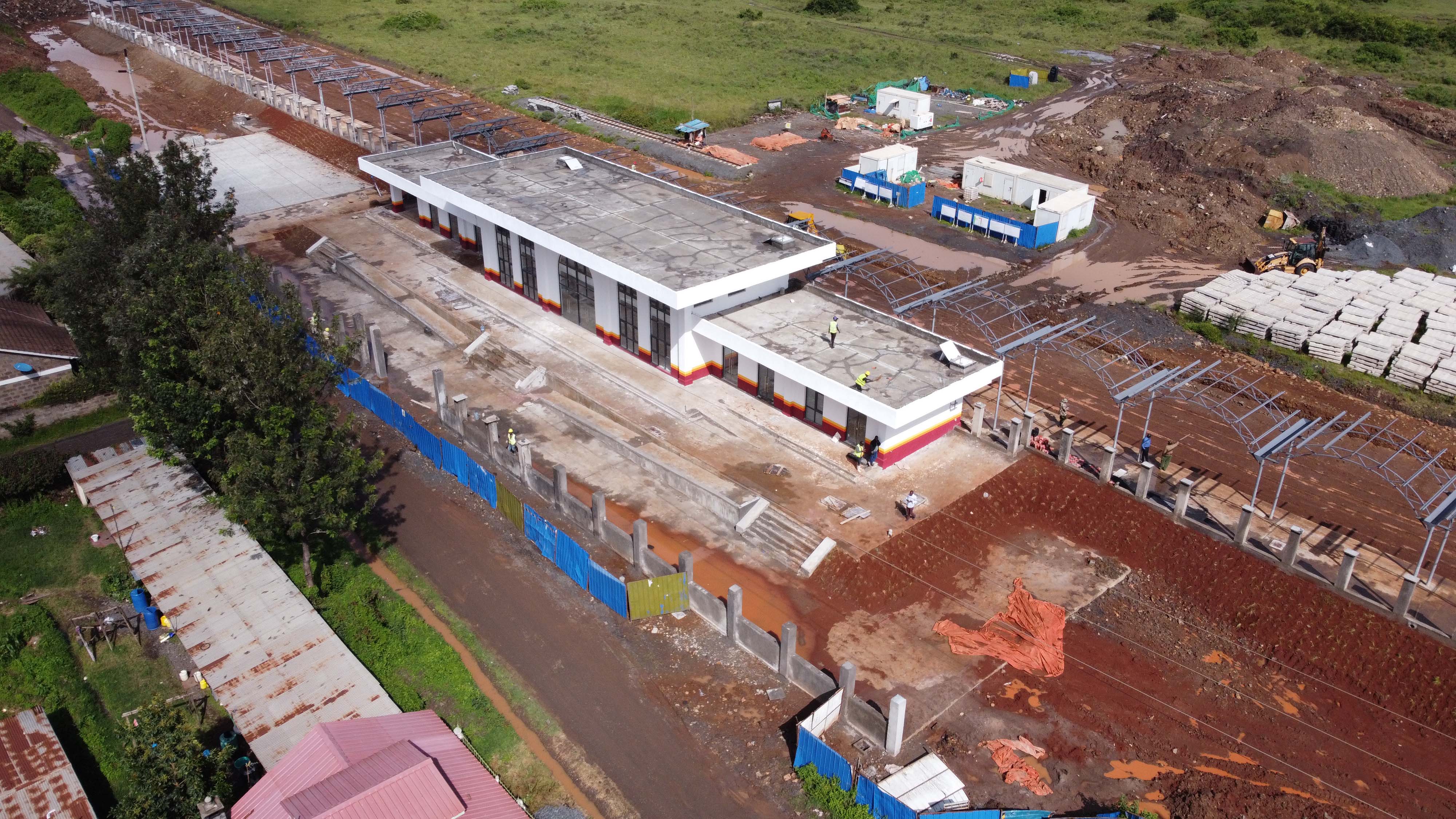
construction of the Ngong–Riruta railway project.
In a ruling delivered on Thursday, Justice Bahati Mwamuye
directed multiple state agencies to produce a wide range of records related to
the project within 30 days, finding that the petitioner had established a valid
constitutional basis for access to the information.
The court held that the documents sought — including
feasibility studies, procurement records, parliamentary approvals, and
environmental impact assessments — are central to determining the legality and
constitutionality of the project.
Justice Mwamuye emphasised that the right of access to
information under Article 35 of the Constitution of Kenya is fundamental and
enforceable, noting that public entities have both a constitutional and
statutory obligation to provide information upon request.
“The respondents’ engagement was at best evasive and at
worst wholly non-compliant,” the judge observed, citing evidence that the
petitioner had made repeated requests for the documents since June 2023 without
meaningful response.
The court found that Omtatah had exhausted available
administrative avenues, including seeking redress under the Access to
Information Act 2016, before moving to court.
In granting the application, the judge rejected objections raised by the State, including claims of confidentiality and lack of custody of the documents.
He ruled that vague assertions of confidentiality
cannot override constitutional rights unless supported by specific and legally
justifiable grounds.
The court further underscored that discovery is a key
component of the judicial process, intended to ensure transparency, prevent
trial by ambush, and enable courts to make informed decisions based on a
complete evidentiary record.
“Without access to the specified documents, the court would
be constrained to resolve complex constitutional questions on an incomplete
record,” the judge said.
As part of the orders, the respective agencies were compelled to produce certified copies of documents, including the full feasibility studies for the railway project, engineering and procurement contracts, tender records, parliamentary approvals, evidence of public participation, cabinet decisions, financing agreements, and environmental approvals.
The ruling also confirmed interim conservatory orders
halting the implementation of the railway project pending the hearing and
determination of the main petition.
However, the court clarified that the orders are temporary
and do not determine the merits of the case. It noted that the project could
proceed if ultimately found to be lawful.
Justice Mwamuye directed that the petition be fast-tracked,
with a judgment expected within 90 days.
He cautioned that the
conservatory orders could be lifted if parties — particularly the petitioner —
fail to cooperate in expediting the case.
The dispute centers on the proposed Ngong–Riruta railway,
with Omtatah raising concerns over transparency, procurement compliance,
environmental safeguards, and public participation in the project’s approval
process.
The case will now proceed to a full hearing, where the court
will determine whether the project meets constitutional and legal thresholds.

![[PHOTOS] Obado Leaves court in handcuffs](https://cdn.radioafrica.digital/image/2026/07/efc75d55-2eb9-4019-bb24-937dc4fc4f56.webp)