Varsities in Sh223 billion cash crunch as Helb faces collapse
Pending bills include unpaid suppliers, pension contributions, statutory deductions
by MOSES OGADA
Audio By Vocalize
The country’s universities are staring at a
financial catastrophe, with a staggering Sh223 billion funding pressure
threatening student loans, scholarships, staff salaries and key reform
projects.
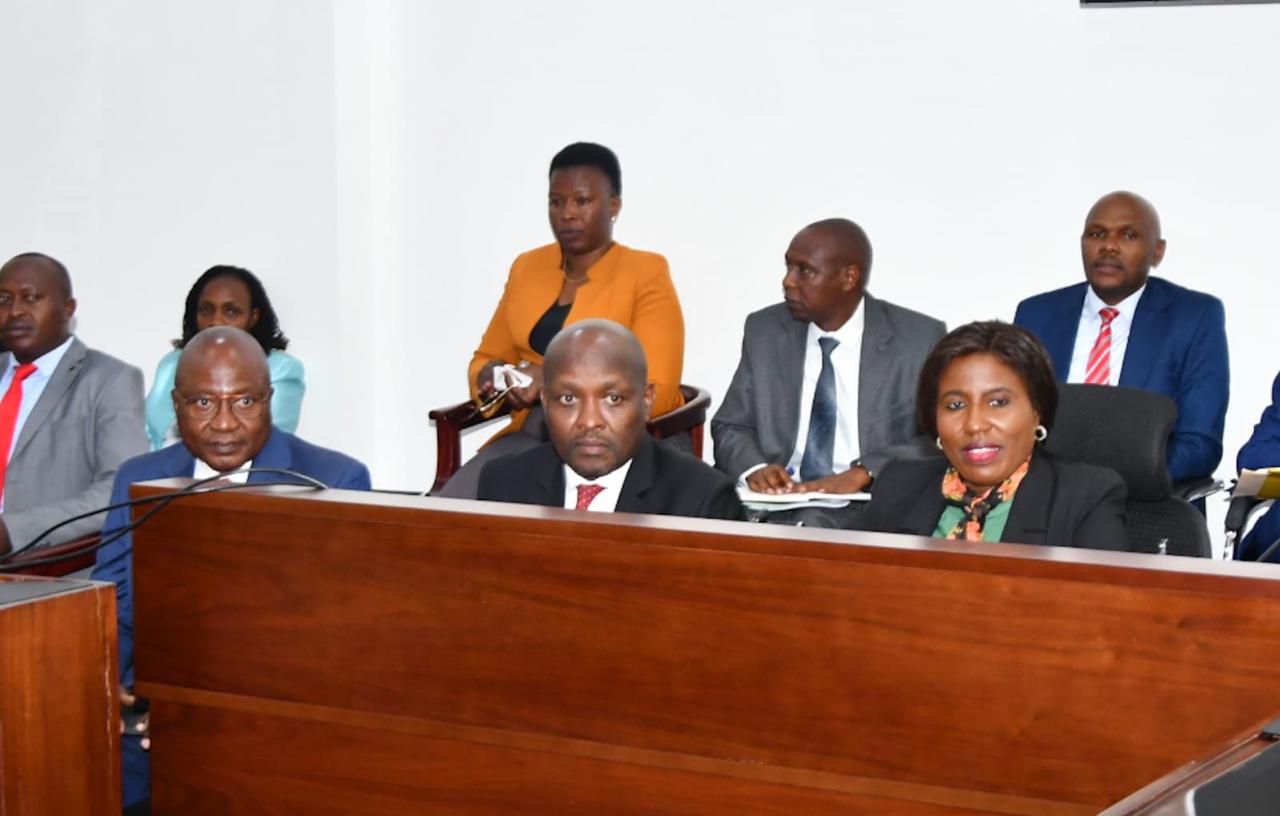
Higher Education Principal Secretary Beatrice
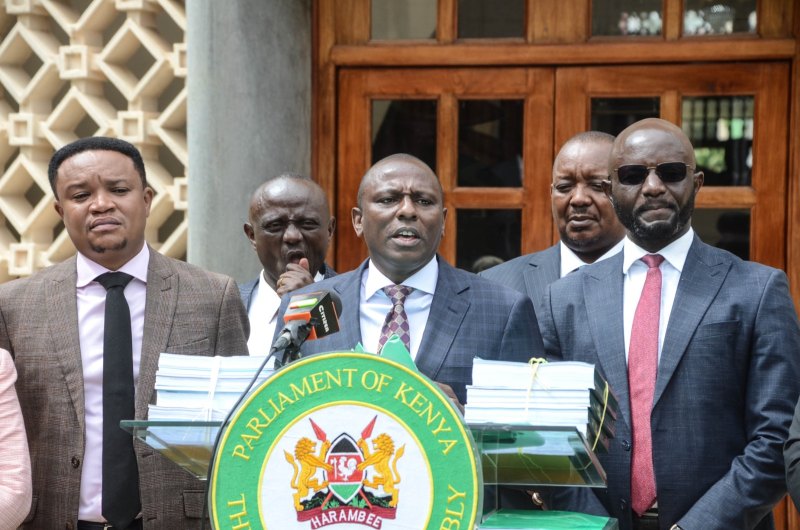
Inyangala on Thursday laid bare the depth of the crisis before the Tinderet MP
Julius Melly-led National Assembly Education Committee.
She warned that the institutions are struggling to
stay afloat, with Sh223.3 billion figure representing cumulative funding gaps.
They cut across scholarships, loans, private university
liabilities, collective bargaining arrears, stalled projects and specific
bailouts required by struggling institutions.
The State Department itself faces a major
shortfall. For the 2026-27 financial year, it requires Sh311.9 billion in
recurrent expenditure but has been allocated Sh155.2 billion.
This has left a gap of Sh156.7 billion. Development
expenditure faces a further Sh6.55 billion deficit.
Taken together, the higher education sector is
operating at barely half of its required funding.
Public universities have accumulated pending bills
amounting to Sh85.28 billion as at January 31, 2026.
The bills, which include unpaid suppliers, pension
contributions, statutory deductions and bank loans, have not been provided for
in the proposed 2026-27 budget.
Many institutions are now struggling to pay staff,
remit deductions to statutory agencies,
or service debts.
More than half of recurrent expenditure remains
unfunded, while development projects face a 57.3 per cent shortfall.
The crisis is more acute at the Higher Education
Loans Board, which requires Sh112 billion to cover deficits over three
financial years.
For the upcoming 2026-27 financial
year, Helb plans to support 1,383,728 university and technical vocational education
and training students at a cost of Sh112.1
billion.
However, the proposed allocation stands at Sh45.06
billion, creating a funding deficit of Sh67.42 billion for that year alone.
In the current financial year, Helb already faces a Sh33.9 billion shortfall, while
arrears from 2024-25 stand at Sh10.7 billion.
Students, many from vulnerable backgrounds, stand
to bear the brunt of the crisis, clouding their dream careers.
“The department seeks consideration for Sh112
billion to address the three-year deficits and implement the reforms in financing
higher education successfully,” Inyangala told MPs.
Without intervention, thousands of vulnerable
students risk delayed or reduced loan disbursements.
MPs further heard that the Universities Fund, which
finances scholarships under the student-centred funding model, is also heavily strained.
Cumulative students on scholarship are projected to
rise from 122,634 in 2023-24 to 656,927 by 2026-27 under the new funding model.
Yet resource requirements for 2026-27 stand at
Sh47.36 billion against an approved allocation of Sh17.92 billion, leaving a
gap of Sh29.44 billion for that year alone.
By 2026-27, the cumulative funding gap for
scholarships is projected to hit Sh51.7 billion.
The shortfall threatens the sustainability of the
student-centred model launched in 2023 to make university education more
equitable.
Industrial unrest is also looming. The government
committed Sh7.76 billion to implement the 2017–2021 university collective bargaining agreements, payable in two tranches.
While the first tranche of Sh3.88 billion was paid
in December last year, only Sh2.8 billion has been allocated for the
second tranche instead of the required Sh3.88 billion, leaving a deficit of
Sh1.08 billion.
The State Department has warned that failure to
bridge the gap could trigger fresh industrial action across public
universities.
Some institutions require immediate rescue
packages, the PS said, urging MPs to consider bailing them out.
Moi University is seeking Sh3.8 billion to
implement a return-to-work formula signed after
prolonged industrial action.
The amount covers CBA arrears, payroll support,
pension obligations and dues to terminated staff.
The Technical University of Kenya requires Sh2.07
billion to implement its return-to-work agreement and clear pending
obligations.
Since July 2025, TUK has only been paying staff net
salaries due to recurrent deficits and needs Sh845 million to restore full
gross salary payments.
The crisis extends beyond public institutions.
The Kenya Association of Private Universities has issued a
notice of intention to sue the government over non-remittances for students
placed through Kenya Universities and Colleges Central Placement
Service but allegedly underfunded.
The resultant liability is estimated at Sh45.77
billion. If litigation proceeds, the government could face further financial
exposure.
The financial strain comes as the government moves
to merge Helb, the Universities Fund and Kuccps into a single Tertiary Education Funding Authority
under the proposed Tertiary Education Placement and Funding Bill, 2024.
The reforms aim to streamline student placement,
scholarships and loans under one authority.
Inyangala urged lawmakers to intervene, warning
that without urgent financial support, universities could face paralysis. The
crisis, she said, is unfolding in real time.
This is premium content
Subscribe to Continue Reading
Help us continue bringing you unbiased news, in-depth investigations, and diverse perspectives. Your subscription keeps our mission alive and empowers us to provide high-quality, trustworthy journalism. Join us today to make a difference!