Today marks a significant global religious event, as Christians and Muslims will concurrently embark on a sacred fasting period for the first time in over three decades.
Muslims will be engaging in their Ramadan fast, while Christians, predominantly Roman Catholics, will be beginning their Lent, a fasting period before Easter.
This interfaith coincidence has sparked curiosity about what this means for the believers across the two world religions.
For the Catholics, Wednesday, being the first day of Lent, is
called Ash Wednesday, signifying the desire to repent and reconcile with God
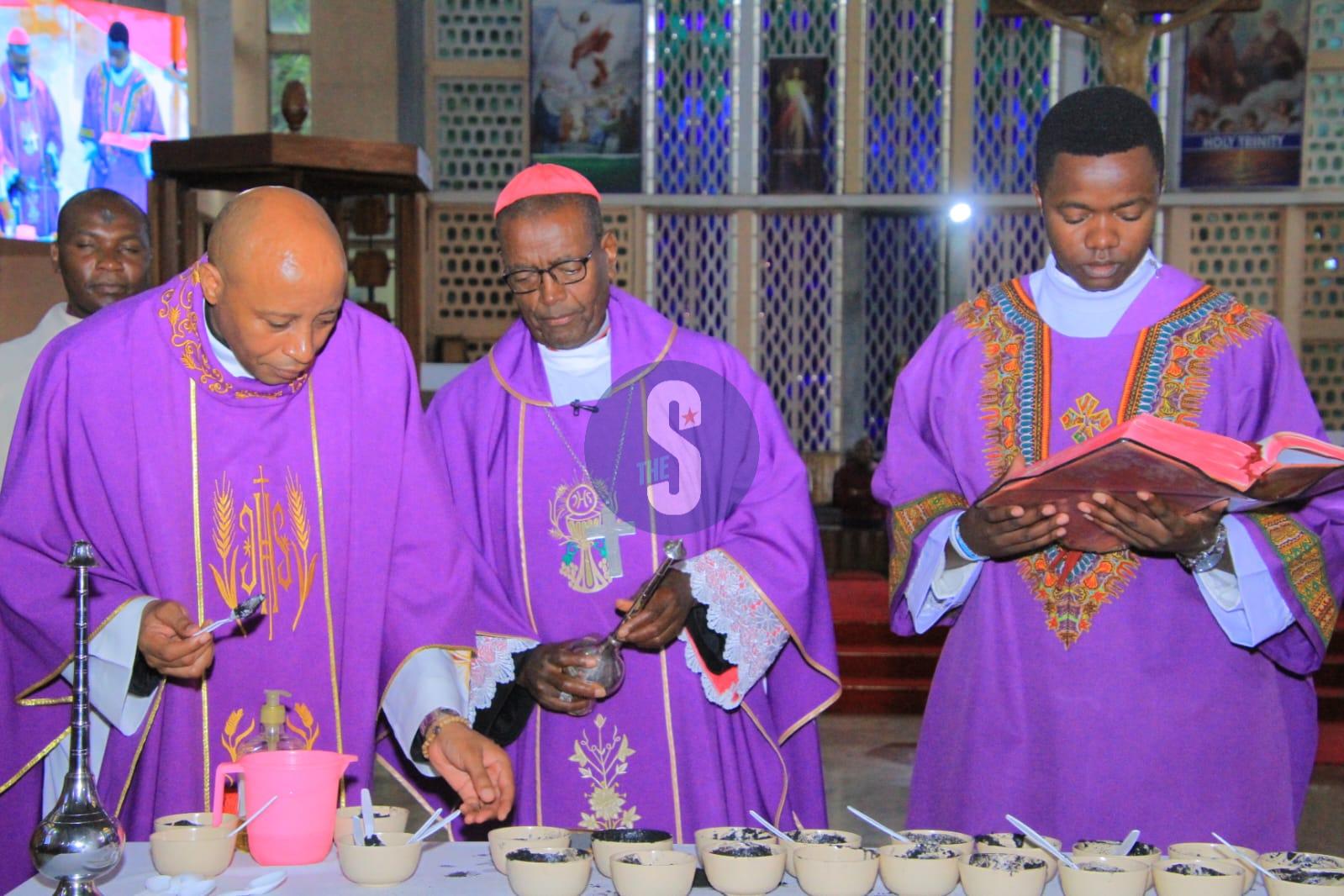
and is observed with fasting and the imposition of ashes.
Ash Wednesday invites believers to pause, reflect, and experience transformation. The symbolic act of using ashes is tied to biblical events, including the repentance of the people of Nineveh after Jonah’s preaching, Tamar’s grief for the sinful act of being sexually assaulted by her half-brother and Job’s declaration of repentance.
Many other biblical texts symbolise the significance and harmony of ashes, repentance, and reconnecting with God. Jesus also spoke of ‘sitting with sackcloth and ashes’ while referring to what would have happened had his miracles been done in Tyre and Sidon.
Maccabees, an apocryphal book used by Roman Catholics, also narrates how rebel Jews fighting for their independence prepared for battle by sprinkling ashes, fasting, and wearing sackcloth.
In early Christian practice around the fourth century, Lent was shorter than forty days and served as a public atonement for those who had committed severe or weighty sins. The individuals would wear sackcloth and be sprinkled with ashes in repentance and reconciliation.
It was also a time for preparing catechumens, new converts, for baptism, which was conducted on Easter Eve.
Lent was moved back three hundred years later to ensure a forty-day fast. The season of fasting alludes to the period Jesus went to the wilderness after his baptism, in preparation for his ministry, portraying a season of testing, strengthening, and renewal.
The forty days are also analogous to the event when Moses went up on the mountain for forty days to intercede for the children of Israel after the sin of worshipping the golden calf.
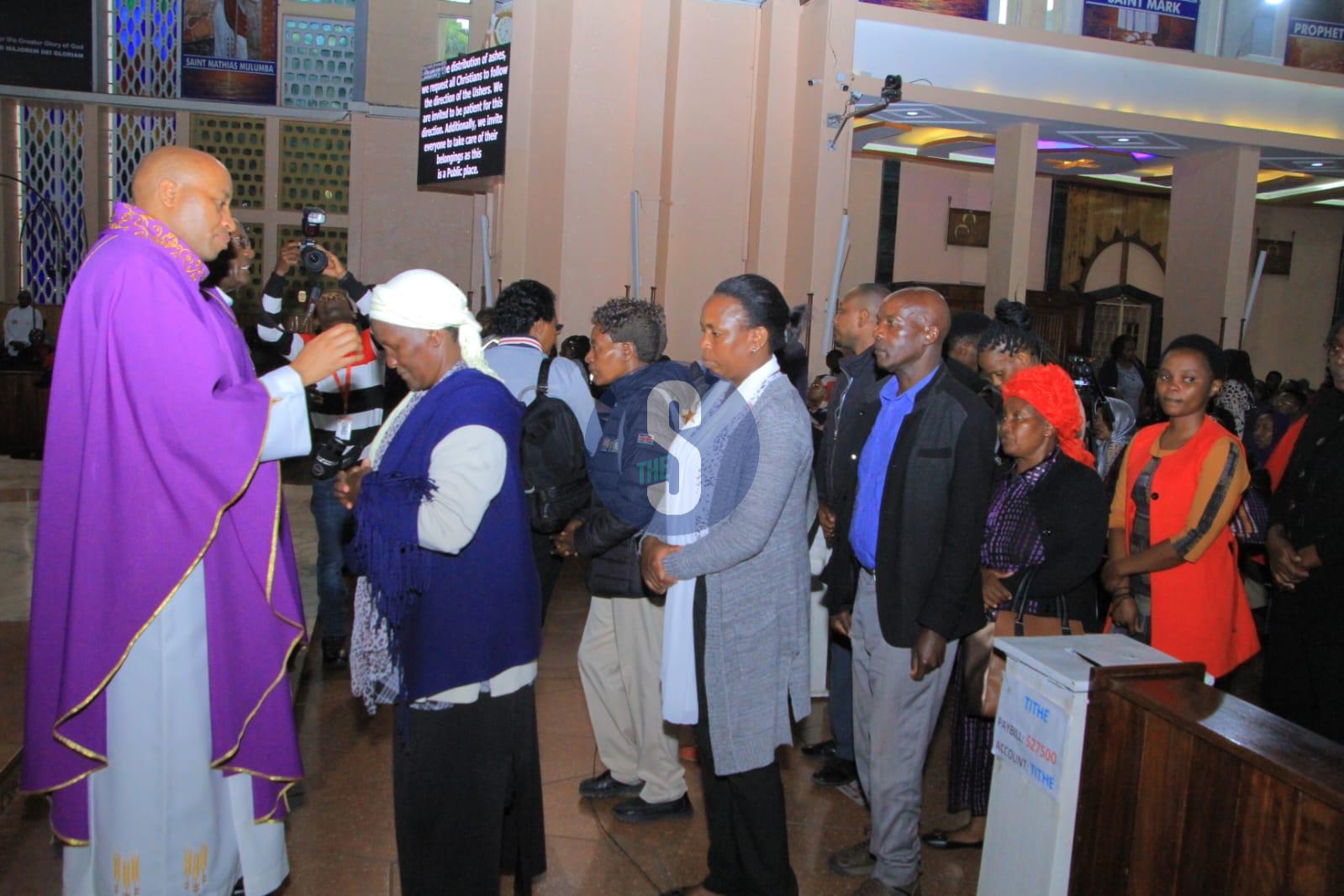
Ash Wednesday became fully formalised as a practice for all believers years later by marking the entire congregation’s foreheads with ashes to mark the start of Lent.
While Ash Wednesday is primarily a Roman Catholic tradition, it has been widely assimilated by Lutheran, Anglican, Methodist and other Protestant denominations.
Ash Wednesday remains a treasured and spiritual endeavor for believers as a day of renewal and intimacy with God.
The common preparation of the ashes by Catholics, Anglicans and Methodists is to obtain them from burnt palm branches or palm crosses from the previous year’s Palm Sunday service and maybe sprinkle holy water or olive oil on them.
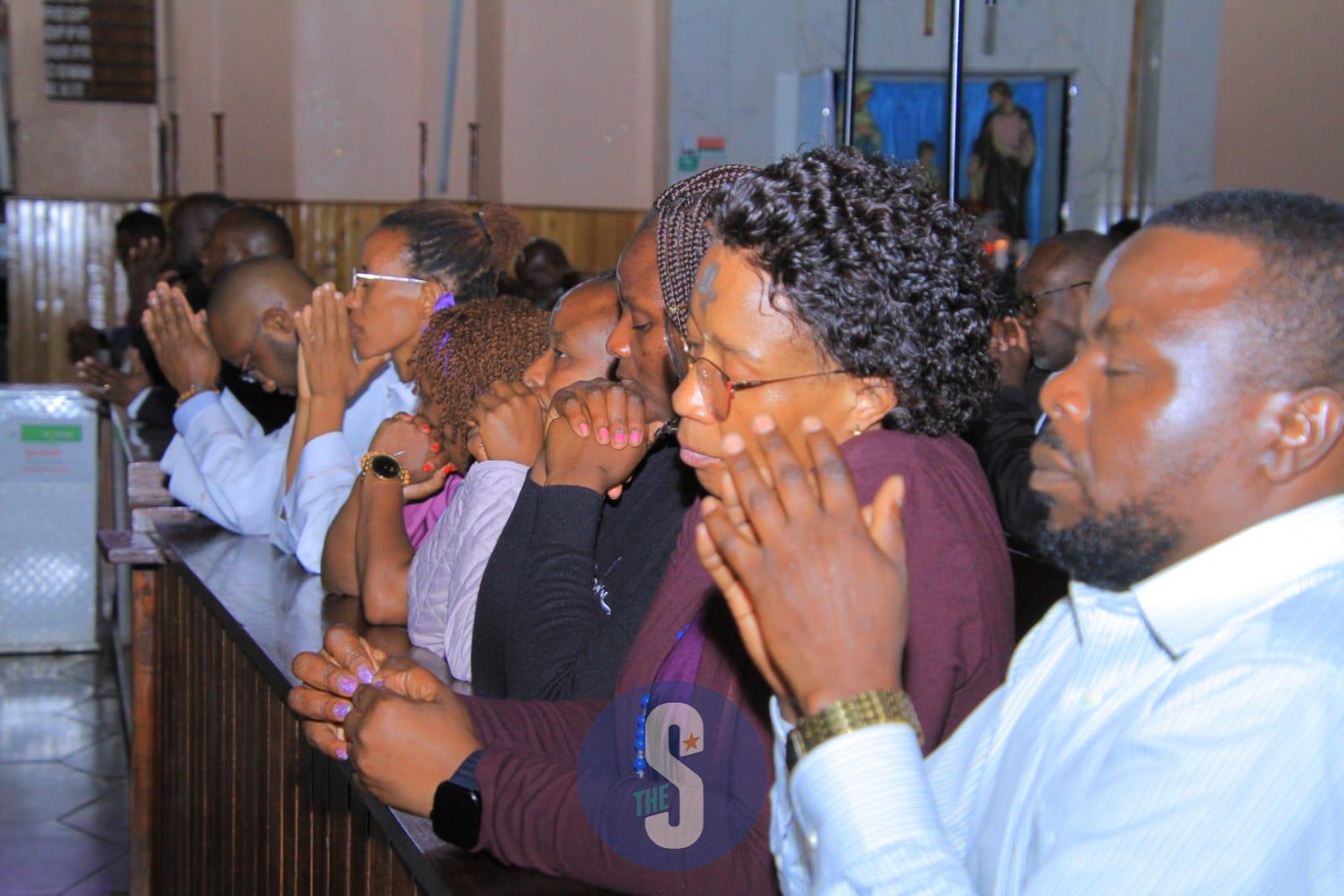
Psalms 51, known as ‘the Miserere,' is recited during Ash Wednesday to lead believers in ‘pouring their hearts out’ to God for mercy and spiritual cleansing.
For the Catholics, Ash Wednesday to Good Friday comprises abstaining from meat on Fridays throughout the period. Adults observing Lent are expected to eat a single full meal and two smaller meals, while teenagers are to abstain from eating meat.
Lent has been celebrated in diverse ways all over the world. In some churches, instead of ashes, small cards are given to members in the church where they write about a sin they want to confess.
During the Victorian era, theatres were mandated by the Church of England (the Anglican Church) not to present costumed shows in respect to Ash Wednesday and would opt for other forms of entertainment.
Villagers in Hungary would rub foreheads with those who had not received the imposition of ash on their foreheads to ‘share the blessings.’
In the Republic of Ireland, Ash Wednesday is also known as ‘National No Smoking Day,' bridging the act of quitting smoking to giving up a luxury for Lent.
The ceremony was quite humorous in Iceland, where children would secretly pin bags of ashes on the backs of oblivious people.
Some major Christian churches in the US conducted ‘ashes to go’ activities, where ministers go to public streets and distribute ashes to passers-by.
During the imposition of ashes, the ministers infamously quote, “Remember that you are dust, and to dust you shall return,” as a reminder of the mortality of man and his need to devote himself to the resurrected Christ, who defeated death.
"Lent is a period of spiritual 'combat' which we must experience alongside Jesus, not with pride and presumption, but using the arms of faith: prayer, listening to the word of God and penance. In this way, we will be able to celebrate Easter in truth, ready to renew the promises of our Baptism,” the late Pope Benedict XVI said.
Ash Wednesday serves as a reminder to believers of the transient
nature of life and a reminder to live each day to the fullest while gazing
toward God's everlasting kingdom.