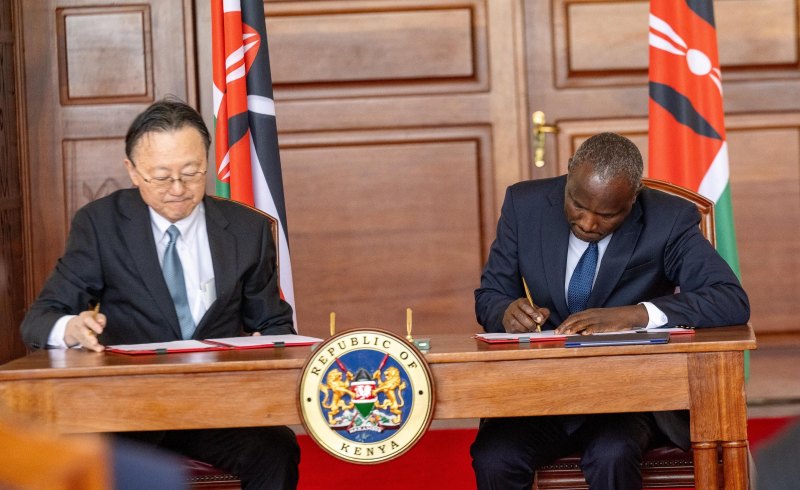
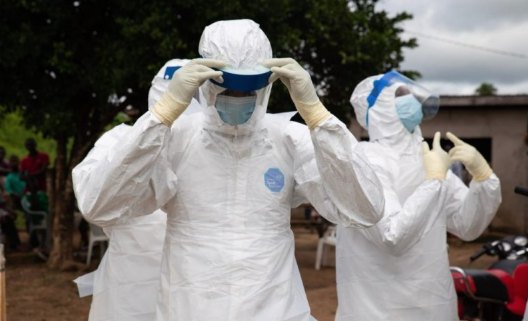
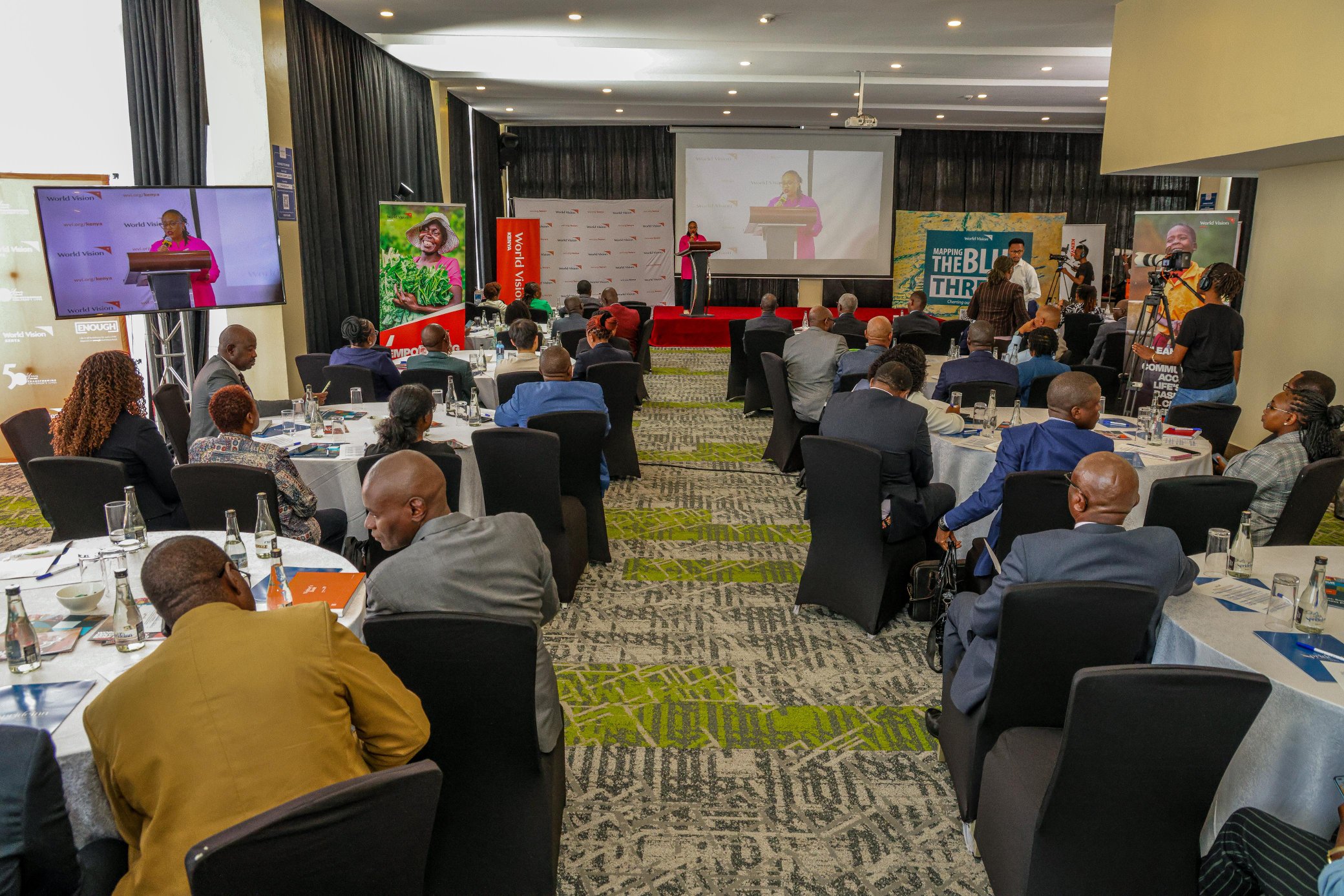
 Officials and partners attend the launch of World Vision Kenya’s 2026–2030 Strategy and WASH Business Plan today, 9 February 2026, an event focused on improving the lives of 13.3 million children.
For millions of Kenyan children, survival has been a daily battle.
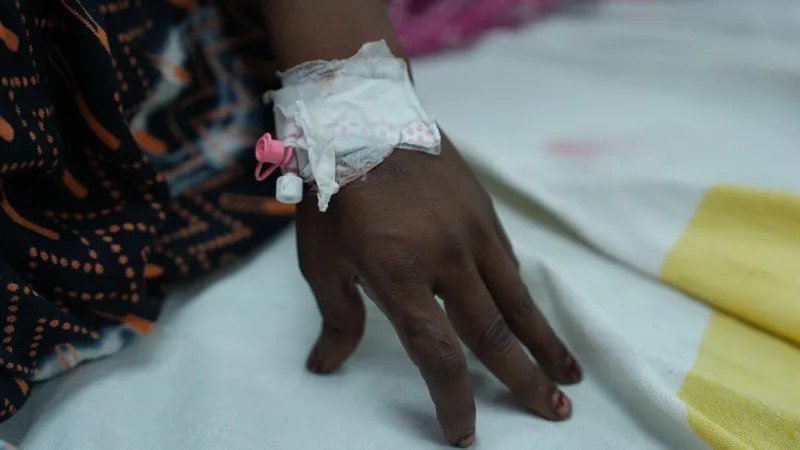
Inadequate access to safe water and sanitation, widespread malnutrition and repeated illness have robbed them of school days, health, and a chance to thrive.
However, World Vision Kenya (WVK) is setting out to change that.
On Monday, Principal Secretary for Environment and Climate Change, Festus Ng’eno, presided over the official launch of WVK’s 2026-2030 Strategy and its Water, Sanitation and Hygiene (WASH) Business Plan, themed “Transforming 13.3 Million Children’s Lives Together.”
The strategy aims to improve the well-being of 13.3 million children, including 3.04 million of the most vulnerable and 343,181 children living with disabilities, through direct programme implementation, strategic partnerships and policy advocacy.
The launch brought together key government officials, development partners and faith based leaders, underscoring the collaborative nature of the initiative.
Among those present were Principal Secretary Aurelia Rono (Parliamentary Affairs), Dr Naomi Mutie representing PS Mary Muthoni, David Githanga (Board Chair, World Vision Kenya), Lilian Dodgo (Regional Leader, East Africa – World Vision), Gilbert Kamanga (National Director, World Vision Kenya), and Alphonse Kanga (National Council of Churches of Kenya – NCCK).
The strategy focuses on seven critical areas: Child protection, Education and child participation, Water, sanitation, and hygiene (WASH), Environment and climate change, Health and nutrition, Disaster risk management and Peace building and conflict management.
Each pillar is designed to tackle the deep rooted challenges that have long denied children a safe and healthy childhood.
Despite years of policies and interventions, millions of Kenyan children still lack the most basic necessities.
Only 59 per cent of Kenyans have reliable access to safe water, and just 29 per cent have basic sanitation services, leaving families especially in rural and underserved areas dependent on contaminated sources.
In these conditions, diarrhoeal diseases remain a leading cause of illness and death among children under five, while undernutrition affects 5 per cent of children, contributing to 4,367 deaths in 2021 and long-term consequences such as stunted growth and weakened immunity.
The situation is most severe in drought prone counties such as Turkana, Marsabit, Mandera and Garissa, where prolonged dry spells have intensified food insecurity and forced children and families to traverse long distances for water, exposing them to hardship and disease.
Poor sanitation also exacerbates outbreaks of waterborne illnesses such as cholera, with children bearing the brunt of these preventable tragedies.
By addressing these challenges, WVK aims to transform lives, not just deliver services.
The strategy’s emphasis on WASH, nutrition, child protection and resilience reflects a commitment to tackle root causes rather than symptoms, ensuring that children can grow up healthy, safe and equipped to reach their potential.
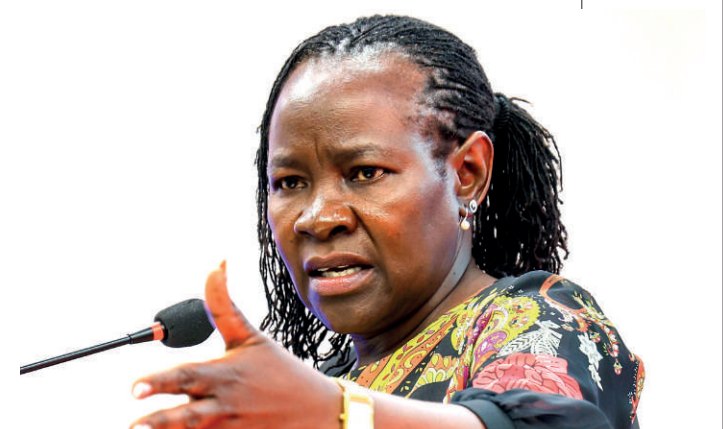
“The lives of our children should never be compromised by preventable illness or lack of opportunity,” Ng’eno said during the launch.
“This strategy is a call to action for all partners government, faith-based organizations and communities alike to ensure that every child in Kenya can thrive.” he added
As the event unfolded, it became clear that this is more than a policy launch; it is a national reckoning with the reality of childhood in Kenya.
The numbers are staggering, the challenges immense, but the strategy signals a decisive shift toward hope, resilience and lasting change.
For 13.3 million children whose daily lives have been shaped by deprivation, this is a promise and the country is watching.