 Mitumba on sale
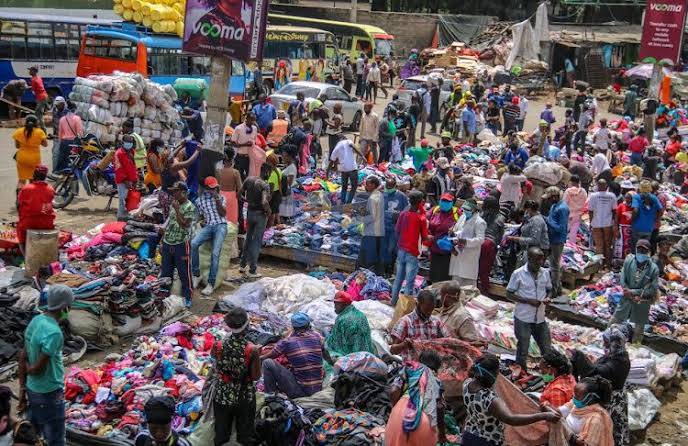
In Kenya, the notion of thrifting at one time meant going through bales of mutumba at Gikomba or Toi and walking away with some good pieces for a well-priced bargain.
That rep, stitched from years of mitumba
culture and hustling youth, has been taking a beating lately. Netizens,
particularly on TikTok, are alarmed that thrift shops and second-hand vendors
are overpricing clothes to the extent that "affordable fashion" is a
joke. What used to be a smart solution to shopping is now causing literal
frustration online.
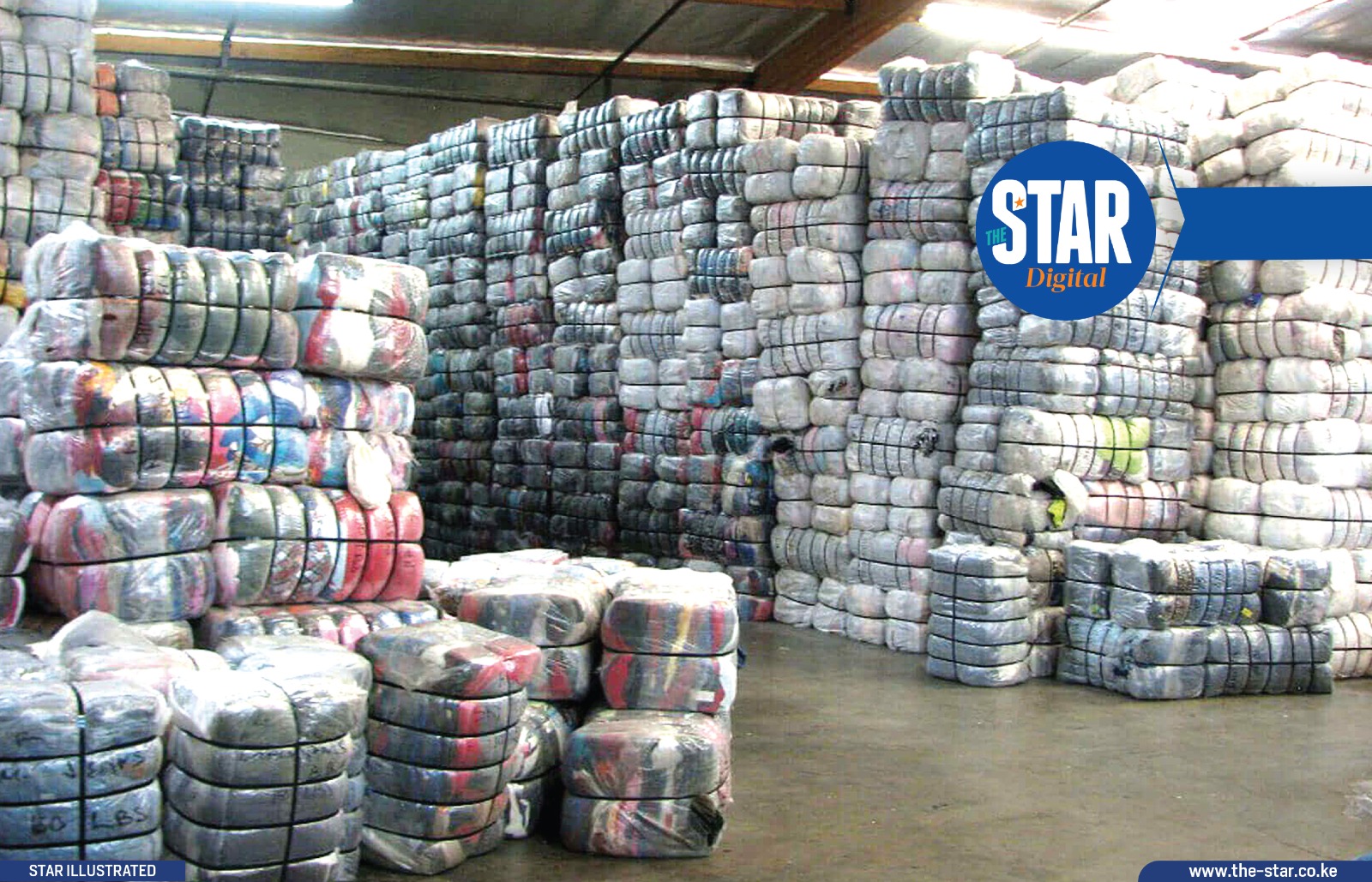
Thrift culture has a rich history in the Kenyan fashion scene. Mitumba traders import hundreds of thousands of tons of used clothes from all over the world, making Kenya one of Africa's largest markets for second-hand clothes.
These imports give jobs to millions and keep prices for clothes lower than purchasing the newest brand. Many Kenyans have learned to mix, match, and tailor these finds into outfits that look current and personal.
That scenario makes the current complaints hurt a bit more. On TikTok and other platforms, users are calling out shops that sell thrifted clothes at prices that seem uncomfortably close to new clothing prices.
People post videos of shirts, jeans, and vintage items marked up to the point of seeming detached from the ideas of shoppers as to what is reasonable.
There's the growing agreement that some vendors are pricing clothes as if they're imports and not like used clothes that were donated or bought inexpensively. Comments by local discussions indicate that shoppers expect mitumba shirts to stick in some price ranges. When those expectations are blown past, the reaction is quick.
The problem isn't to be looked into in terms of nostalgia. Kenya's cost of living has been squeezing household budgets. However, and for most people, thrift shopping remains a financial lifeline.
When the cost of a pair of jeans or a jacket is as high as that of a new one bought at the mall, people find it defeating the whole idea of buying second hand items.
Some TikTok clips are even showcasing users comparing thrift prices to retail prices and finding them more expensive than retail, questioning whether or not thrift has been commodified into being of higher quality than affordable.
There are several causes of these high prices. Some of the shops being called out aren't strictly traditional mitumba vendors. A number of organized second-hand retailers in Kenya, such as online stores and boutique thrift shops, have invested in the cleansing, sorting, and displaying of goods in more "premium" settings.
These costs can drive up prices as compared to the informal open-air markets. There are also thrift boutiques online and both that collect pieces and sell them, and Instagram sellers that market the pieces as unique and therefore charge more. But that same strategy is part of what is rubbing everyday shoppers the wrong way.
The explosion in thrift culture has different meanings to different people. For some entrepreneurs, it's a business opportunity they are provided with-the opportunity to sell quality used clothes in a neat environment than the dusty hustle of the market.
For many buyers it is still about value and savings. When netizens see the same garment priced much higher than what it may have fetched in traditional mitumba spaces they see a disconnect between promise and reality.
These debates also point to larger tensions with respect to Kenya's clothing economy. The country imports huge volumes of mitumba at relatively low rates compared to neighboring states, and this fuels the trade, but it also crowds out local textile production. That has been debated for a long time by policymakers and industry players.
Still, for the average Kenyan surfing their For You Page, a simpler argument is that thrift should mean thrift. If the prices begin to approach what you'd spend on new clothes that have a brand label, the "second hand" tag starts people to see as hollow.
At the heart of this conversation is a reminder that thrift culture is not just about low cost in Kenya. It's about community, creating and practical shopping for people who do not wish to break their budget. If the door is swung too far towards high margins and boutique pricing, netizens aren't shy about calling it out. And in the digital world today, that call spreads quickly.
Whether vendors recalibrate their prices, or shoppers shift where they spend, it is clear that one thing is important to Kenyans is keeping second-hand clothes affordable and true to their roots. The market may be changing, but according to the conversation on the internet, the shoppers aren't going to let overpriced thrift go untreated.