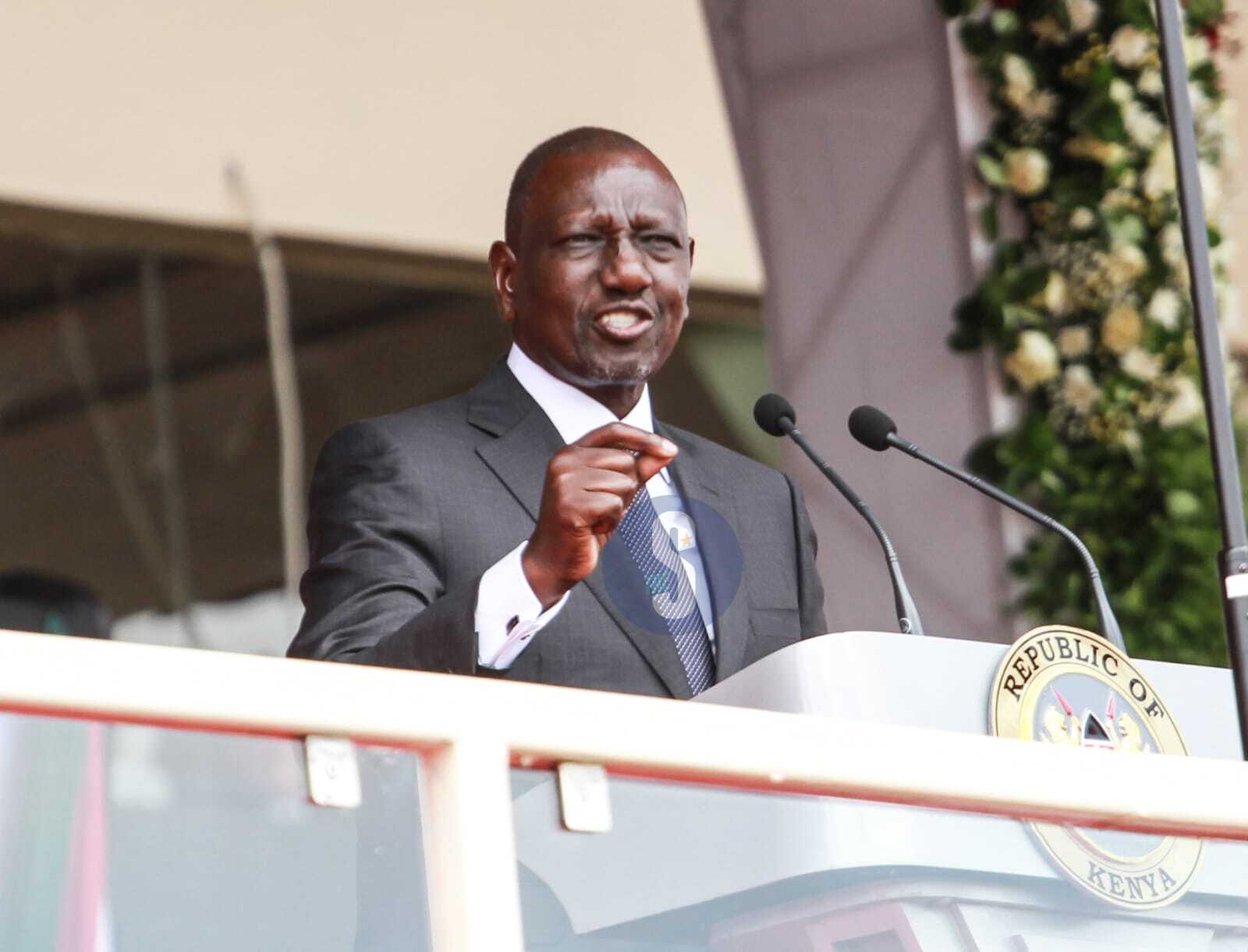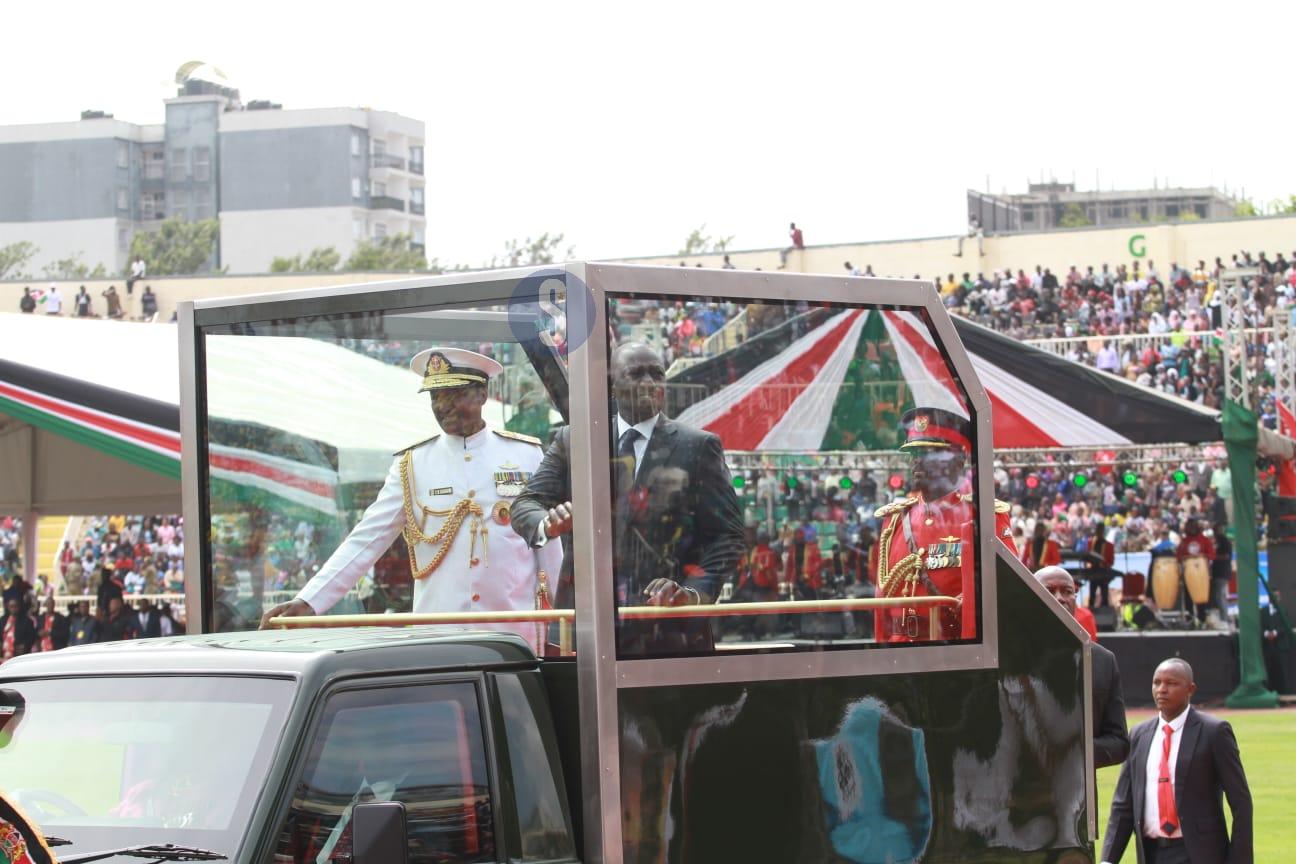
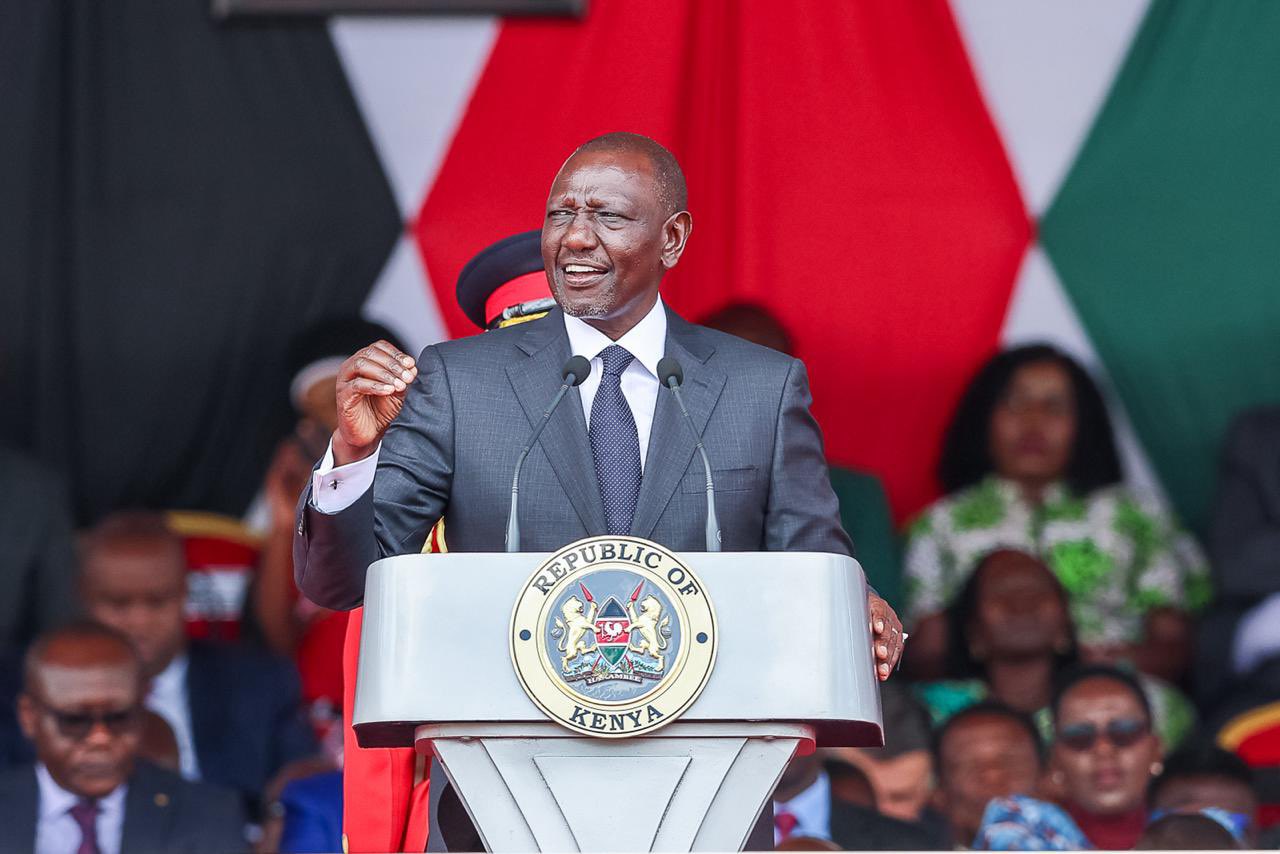
Ruto said the meeting will set in motion the implementation of his bold plan designed to mobilise long-term capital, unlock private sector investment, and fundamentally change how Kenya finances its national development agenda.
According to the President, the NIF is envisioned as the engine that will harmonise Kenya’s financial resources with its development goals.
Through innovative domestic resource mobilisation, strategic monetisation of national assets, greater participation in capital markets, and smarter utilisation of national savings, the government intends to reduce reliance on borrowing and excessive taxation.
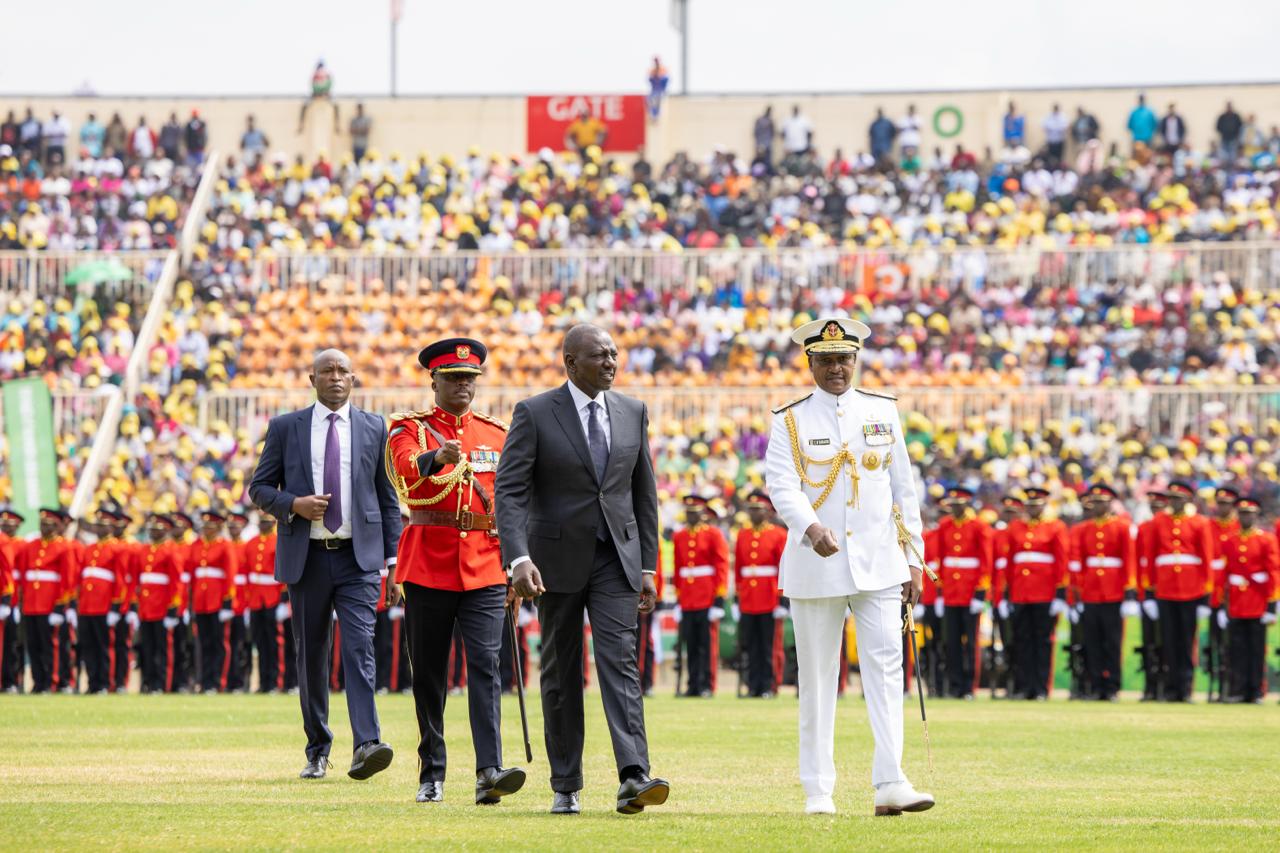
“We will unlock large-scale private sector capital to fund our national priorities while easing pressure on taxpayers,” Ruto said during the Jamhuri Day celebrations.
For decades, he noted, Kenya privatised major institutions, among them Kenya Airways, KenGen, Kenya Re and Safaricom, but the proceeds were routinely absorbed into the national budget, leaving no residual public assets or long-term value.
The new infrastructure fund seeks to reverse that legacy.
“Through the National Infrastructure Fund, all privatisation proceeds will be ring-fenced and invested strictly in public infrastructure that generates and preserves value,” he said.
“This principle is already being actualised. The proceeds from ongoing privatisation processes will be channelled directly into the fund, setting a new national standard where national assets build public value.”
Ruto described the NIF as a “generational strategy”, an instrument that will mobilise capital, accelerate project delivery, safeguard national assets, and secure Kenya’s long-term competitiveness.
It is one of two major financial frameworks expected before the Cabinet on Monday.
The second is the long-awaited Sovereign Wealth Fund (SWF) policy, which will be anchored on three key pillars.
These are saving for future generations, stabilisation against global economic shocks, and strategic national investments.
The fund will be capitalised through natural resource royalties, dividends from public investments, and a percentage of privatisation proceeds.
Ruto said the Sovereign Wealth Fund will give life to Article 201(c) of the Constitution, which requires that the burdens and benefits of public resources and borrowing be shared fairly between present and future generations.
“This fund imposes on us the obligation of intergenerational equity,” he said.
“We must not shortchange future generations.”
With the twin instruments, the National Infrastructure Fund and the Sovereign Wealth Fund, Ruto says Kenya will begin a new journey of structural transformation aimed at propelling the nation from the bottom up toward economic freedom and, ultimately, a first-world economy.
“And I have said, this is only the beginning,” the President concluded.