The reports show that across multiple counties, significant portions of the loans remain uncollected
by JULIUS OTIENO
Audio By Vocalize
Millions of shillings in taxpayers’ money loaned to youths,
women, persons with disabilities and other special interest groups are at risk
of being lost, as new audit reports reveal widespread repayment failure.
Millions of shillings have been
wasted, with nothing to show for the loans and millions more at risk of being
lost, jeopardising the whole concept of revolving empowerment funds that depend
on regular repayments.
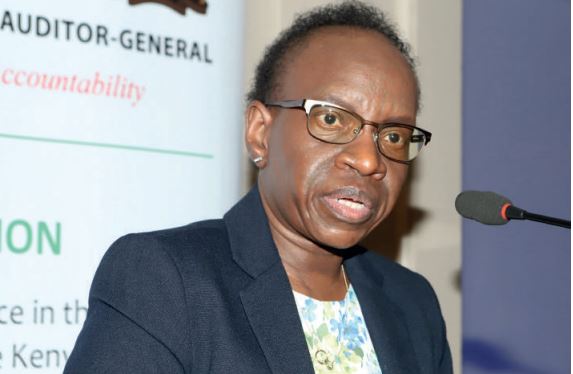
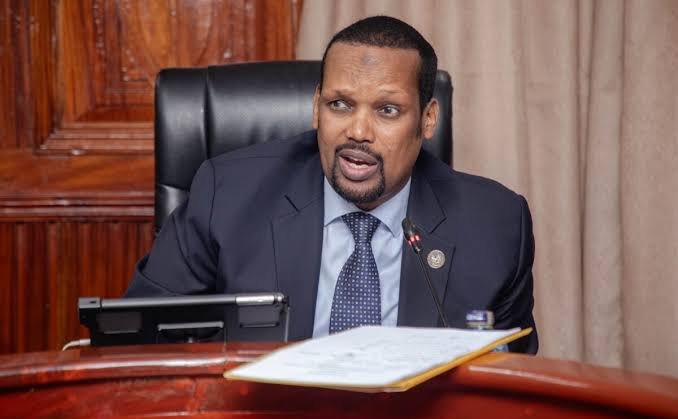
Auditor General Nancy Gathungu has
warned that unless urgent measures are taken, the sustainability of these loan empowerment
programmes is in jeopardy.
Reports show that across many counties,
significant portions of the loans remain uncollected, years after disbursement.
More worrying, the auditor said, is
that many beneficiaries have nothing to show for the funds they received. Some
counties failed to put in place monitoring and evaluation systems to track how
the money was used.
At the same time, the Auditor
General said many youths, women and PWDs have been locked out of the very
programmes designed to empower them because counties failed to allocate funds or
adequately fund the empowerment kitties.
The revelations are contained in
audit reports for youth, women, PWDs and enterprise funds for the financial
year ending June 30, 2025. It was tabled in the Senate.
In Samburu county, the government is
yet to recover Sh31.01 million disbursed to interest groups under the Youth and
Women Enterprise Development Fund.
The Auditor General said receivables
are long overdue, yet no provisions for bad or doubtful debts were made to
reflect the risk of non-recovery.
Critical documentation such as loan
application forms, debtor schedules, ageing analysis and evidence of follow-up
efforts was not provided for audit examination.
Gathungu also reported that the fund
has plunged into a cumulative deficit of Sh37.58 million as of June 30 this
year — cutting its initial capital of Sh75 million nearly by half.
This financial decline violates the principle
of a revolving fund, which is meant to sustain operations through continuous
recoveries and reinvestment.
“The fund’s continued operations
depend heavily on financial support from the county government and the recovery
of long-outstanding loans.
These conditions indicate material
uncertainty and raise significant doubt about the fund’s ability to continue as
a going concern,” the audit report read.
In Marsabit county, the situation is
also concerning. The county has not recovered Sh24 million issued to special
interest groups seven years ago.
The audit found no evidence of
recovery measures — no demand notices, follow-up communication or legal action.
The fund has also run into a Sh3.60
million deficit, raising further concerns about its sustainability.
The fund’s statutory 10-year
lifespan lapsed during the year under review, yet the county did not provide
proof that its tenure had been renewed or legally extended.
Despite the expiry, the fund
continued disbursing money without an active board, as the previous board’s
term ended in March 2018.
In Laikipia county, more than Sh5.58
million has remained outstanding for years. The Auditor General said the
management has neither taken recovery actions nor ensured the loans were
insured or backed by collateral.
A previous audit flagged the same
non-performing loans and the absence of a debt management policy, but little
progress has been made.
The fund also lacks a mandatory risk
management policy required under Regulation 158(1) of the Public Finance
Management (County Governments) Regulations, 2015. It obligates accounting
officers to create internal controls and fraud prevention mechanisms.
The trend is repeats in Busia county,
where Sh66.25 million lent to 63 co-operative societies under the Busia County
Co-operative Enterprise Development Fund since 2014 remains outstanding.
The auditor said these loans should
have been fully repaid, given their age, but the county failed to demonstrate
efforts to pursue recoveries. The loans also were issued without collateral,
weakening the fund’s ability to enforce repayments or mitigate default risks.
“In the circumstances, the accuracy,
completeness and recoverability of the current portion of long-term receivables
totalling Sh66.25 million could not be confirmed,” the audit report read.
Vihiga county is grappling with similar
challenges, as Sh52.08 million is classified as long overdue and likely
unrecoverable. The audit many loans have not had regular, partial repayments
for years.
In Kajiado county, unpaid loans
amount to Sh90.64 million.
Auditors found the county did not
provide basic documents such as loan agreements, repayment schedules or
breakdowns of principal and interest.
No provisions for bad or doubtful
debts were made, although the loans were unsecured and the county could not
demonstrate any recovery efforts.
In Nyeri county, a review of 19
beneficiary files revealed that 58 per cent of loans — amounting to Sh8.6
million — were in default.
Seventeen of the reviewed files,
worth Sh4.75 million, had exceeded the six-month grace period, yet no repayments
had been made.
Five beneficiaries had made no
payment since receiving the loans. As a result, the Auditor General concluded
that the recoverability of the Sh8.6 million disbursed is doubtful.