
Australia has joined global powers’ scramble for the estimated $62 billion (Sh18 trillion) worth of rare minerals deposits in Mrima Hills in Kwale county.
It expressed interest in the deposits during President William
Ruto’s visit to Washington last week.
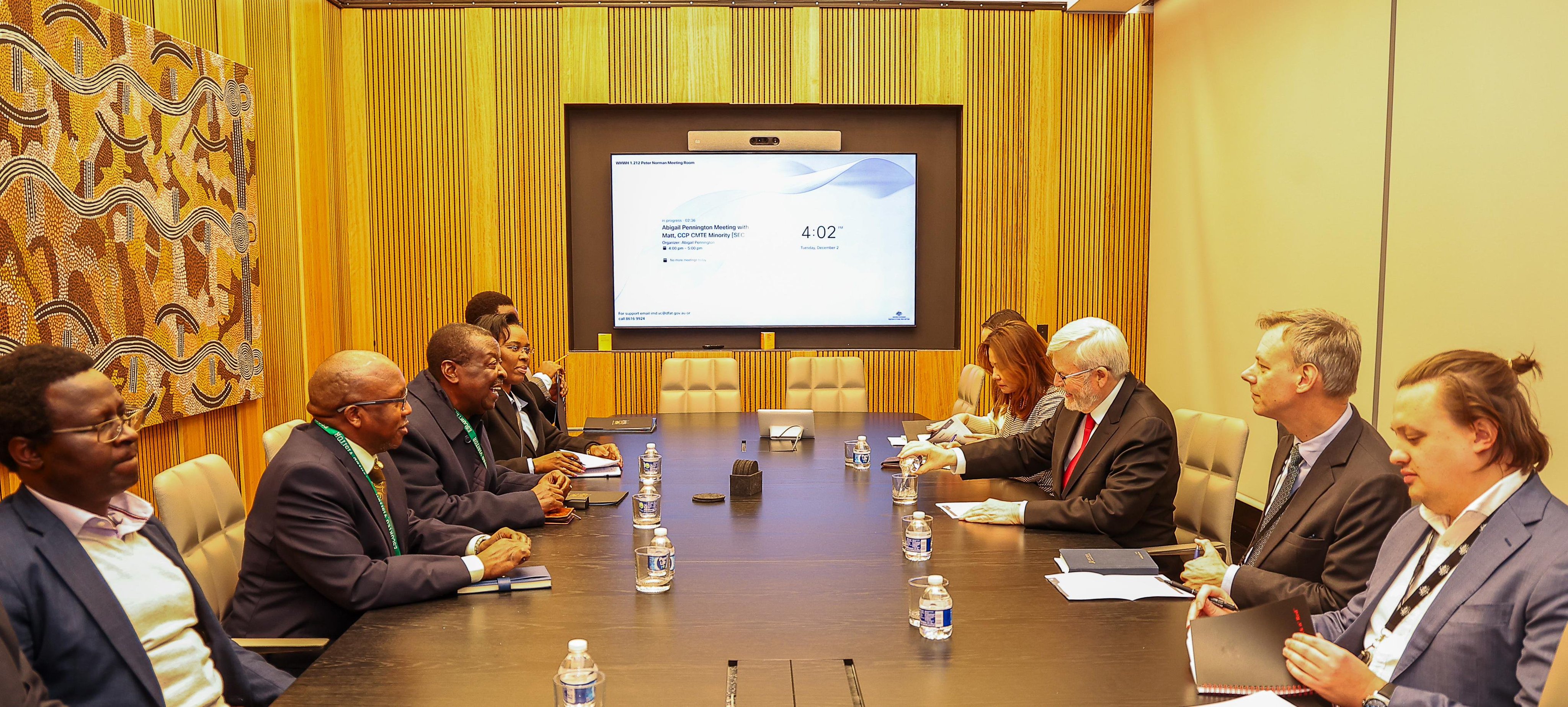
Canberra expressed the interest through Prime Cabinet Secretary
and CS for Foreign Affairs Musalia Mudavadi on December 3 when he met Australia
Ambassador to the US Kevin Rudd.
Rudd is also a former prime minister and foreign minister.
Two Australian mining companies, RareX and Iluka Resources, have
formed a consortium to bid for mining rights at Mrima Hill, which has huge
deposits of rare earth elements, among them niobium, phosphate and manganese.
According to a 2013 study by Cortec Mining Kenya, the157-hectare
forest in Kwale is estimated to contain mineral deposits worth more than $62
billion (Sh18 trillion).
The move by Australia, adding to the already established
interests by the US and China potentially position Kenya as a major critical
mineral supplier.
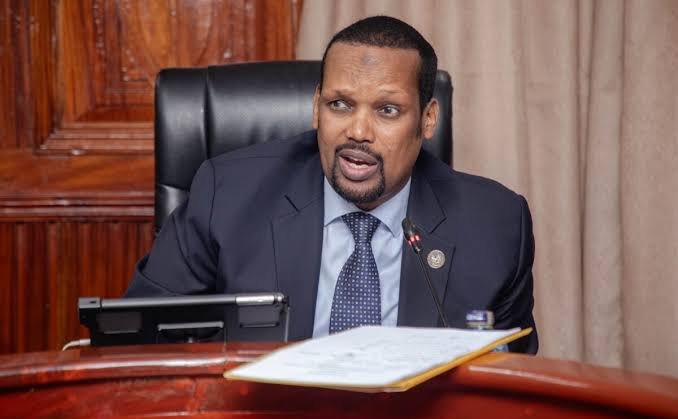
Following the meeting, Mudavadi said Kenya is actively seeking
investors with the experience, expertise and financial strength to responsibly
mine Kenya’s rare earth minerals and unlock their full national value.
“In a meeting with Amb Rudd I underscored Kenya’s commitment to
partnering with reputable mining firms that can support and train our teams to
extract these resources safely, sustainably and in a way that uplifts local
communities, especially in Mrima Hills, Kwale county,” he said.
Mudavadi with significant rare earth deposits in Kwale, Kenya is
determined to work “only with environmentally conscious companies that go
beyond profit”.
He said the government will only consider working with companies
that adopt global best practices and ensure full land restoration once mining
is done.
Vouching for the Australian companies, Ambassador Rudd said
their firms have a strong global reputation, guided by strict national
standards, over a century of mining experience, and a proven record of
community empowerment.
Mudavadi had in October also said Kenya was seeking to draw
lessons from Australia’s world-renowned mining sector.
This was during a meeting with Australia’s Assistant Minister
for Foreign Affairs and Trade Matt Thistlethwaite in Nairobi.
Mudavadi said the two countries were exploring practical areas
of collaboration that could transform Kenya’s mining landscape while creating
jobs and exports.
Base Titanium, which operates the Kwale Mineral Sands
Project, is among the top Australian mining companies in Kenya.
The US has expressed interest in the minerals as part of its
wider outreach to secure the critical resource in Africa.
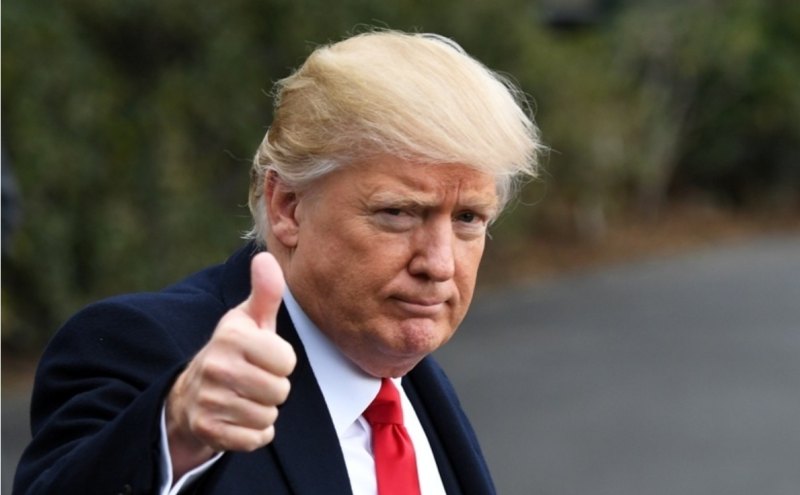
President President Trump has in the recent past intensified
bids to secure critical minerals on the continent, with the latest of those
efforts being the Washington Peace Accord between Rwanda and the resource-rich
DRC last week.
Foreign policy analysts opine that the strategy seeks to counter
China's global economic and technological influence.
Former US Charge de affaires Marc Dillard in June visited Mrima
Hill and met with Kwale county leadership and local elders to “explore
opportunities for collaboration”.
China has also been a top buyer of titanium minerals from Base
titanium but sale dropped following the closure as shift moves to Mrima Hills.
Kenya had in 2016 contracted Chinese firm, Geological
Exploration Technology Institute to undertake an airborne mineral mapping
project to update its old geological data at a cost of Sh7 billion funded by
China's Exim Bank.
There have, however, been concerns by local communities who fear
about land loss, cultural disruption and lack of benefits from the resource.
Mrima Hills is an ecologically fragile and culturally sacred site, particularly
for the Digo community.
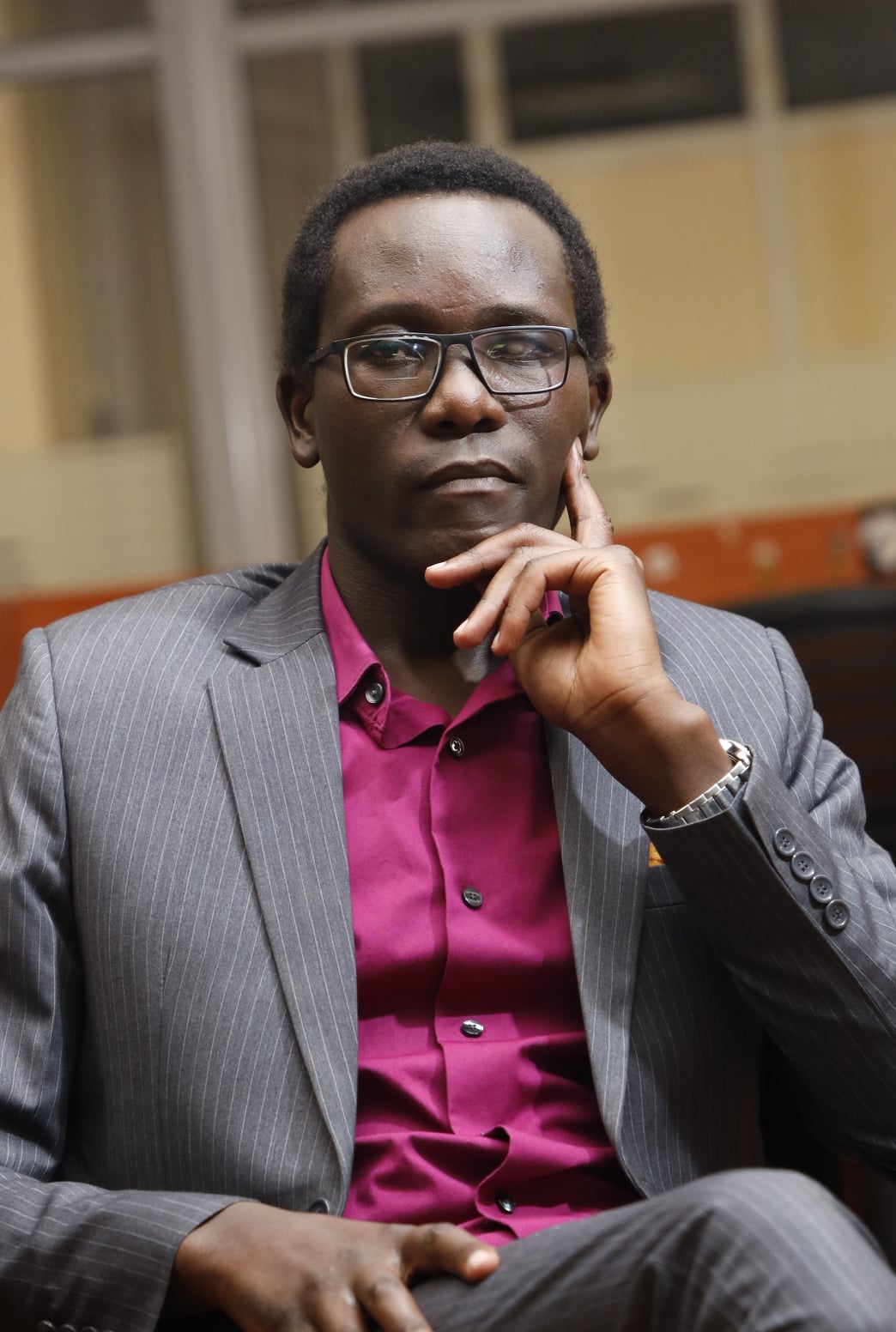
Public policy analyst and social commentator Bilal Mwarandu
says if managed wisely, the natural resource could transform the lives and
uplift generations in the area but warns that mismanagement risks deepening
inequality, environmental degradation and social discontent.
"Any form of exploitation must therefore be sustainable,
transparent and lawfully guided by Kenya’s constitution particularly Articles
40, 42, 69 and 71 and aligned with global best practices in resource
governance.
"The Environmental and Social Impact Assessment for this
project must be thorough, inclusive and independently audited, ensuring
meaningful mitigation measures for any potential harm to biodiversity, human
health and cultural heritage," Mwarandu says.
The cited constitution provisions address fundamental rights
related to property and environmental protection, along with state obligations
regarding natural resources.
Kenya was named among African states struggling to ensure
citizens receive fair benefits from their mineral wealth.
The Africa Governance Report 2025 released by the African Peer
Review Mechanism (APRM) under the AU highlighted concerns over inequitable
resource distribution and weak community engagement across the continent,
particularly in Kenya, the DRC, Zambia and Tanzania.
The report said mining operations in these countries often fail
to adequately compensate local communities and taxpayers, a situation that
could fuel social unrest and conflict if not addressed.