Support for community pharmacies has been identified as a
powerful way to expand access to safe, legal contraceptive services, especially
for women and girls who have had abortions and want to avoid future unplanned
pregnancies.
By equipping frontline pharmacies with skills, tools and partnerships,
reproductive health experts say Kenya can reduce unsafe abortions and protect
women’s health.
Speaking during the Post-Medication Abortion Contraception
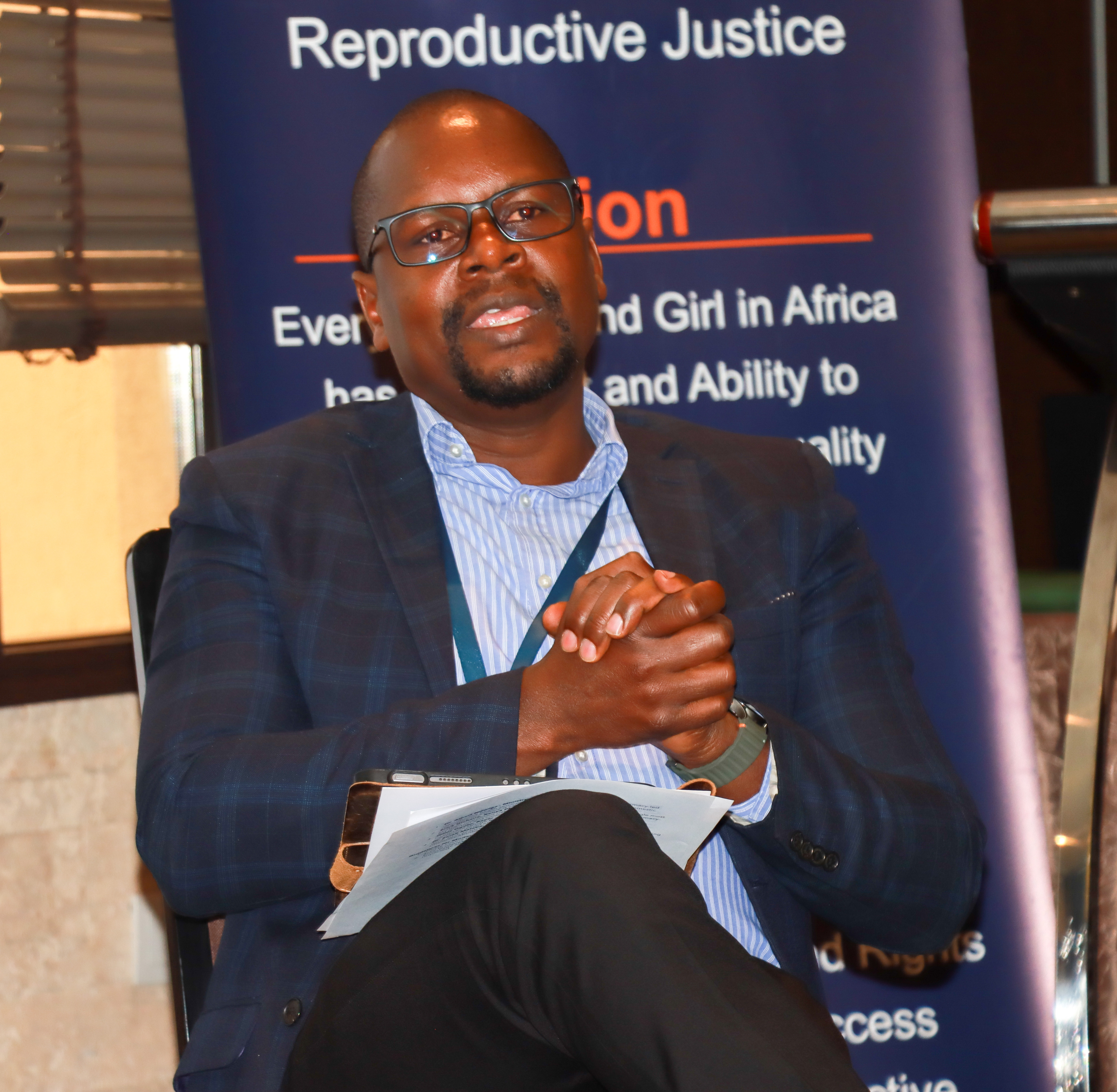
(PMAC) dissemination forum in Nairobi, Dr Musoba Kitui, Regional Director at
Ipas Africa Alliance, said community pharmacies are a critical but underused
entry point for modern contraception in Kenya.
“In every community you go, there is always a pharmacy, yet
our public health system cannot be everywhere all the time,” he noted, adding
that bringing pharmacies fully into the family planning ecosystem is a very
viable pathway to reducing preventable deaths from unsafe abortions.
According to a recent report by the Ministry of Health, Kenya
records an estimated 792,000 abortions annually, with about 21,000 women
hospitalised and 2,600 dying each year from complications linked to unsafe
procedures. Dr Kitui notes that this is a critical public health crisis that
has been neglected.
The PMAC project focuses on women and girls who have had
abortions, helping them start and continue contraception so that they do not
face repeat unintended pregnancies and unsafe terminations.
Dr Kitui outlined concrete areas of support to help
pharmacies safely provide contraception, including comprehensive training,
clearer policies and stronger referral links.
“The best support we can give is to train pharmacy staff to
provide a wide range of contraceptives, equip them with the right knowledge and
link them with health workers who can offer better methods,” he said.
Under the PMAC model, pharmacies receive training in post-abortion contraceptive counselling, service delivery, client follow-up and record-keeping, alongside checklists, educational materials and monthly technical support.
Pharmacies are also being integrated into referral networks
and county health systems, including pathways to access free commodities,
technical assistance and opportunities to report data through national health
information systems.
Evidence from Nakuru and Kericho counties, where the research
was conducted, clearly shows that when pharmacies are supported, more women start
and stay on contraception after buying medication abortion pills. In Nakuru,
for example, current contraceptive use among women who had a recent abortion
rose from just under 70 per cent at baseline to over 85 per cent at three and six
months, with similar gains in Kericho once pharmacy-based interventions were
introduced.
Women interviewed in the PMAC evaluation highlighted privacy, confidentiality and respectful follow-up as key reasons they chose pharmacies for both abortion care and contraception.
Many described feeling “at
home” in pharmacies that offered one-on-one counselling and later checked on
their wellbeing, saying this level of trust made them more willing to start a
method and return for continued care.
Dr Kitui said that strengthening pharmacy-led contraception
removes many of the barriers that push women toward unsafe options, including
stigma, distance and lack of information. With training and clear guidelines,
pharmacy staff can explain side effects, method choices and timing such as when
to start contraception after completing abortion pills, addressing fears that
often delay uptake.
The project also shows that convenience and continuity of
care are powerful motivators. Most women preferred to get contraceptive
information and services at the same pharmacy where they obtained their
abortion pills, citing confidentiality and not having to repeat their story
elsewhere.
As pharmacies become better equipped, more people are likely
to choose safe, legal contraceptives from trained providers instead of relying
on peers, unregulated vendors or delayed use of emergency methods.
Dr Kitui has urged the government, professional bodies and development partners to embrace community pharmacies within the health system by embedding them in policy, financing and training frameworks.
He argued that
building a strong business case and integrating pharmacies into primary care
networks will allow them to sustain contraceptive and post-abortion services
even as donor funding declines.
He further said that choosing modern contraception from
trusted, well-supported pharmacies is not just a personal decision but a step
toward protecting one’s health, safeguarding families and advancing
reproductive justice for women and girls across Kenya.