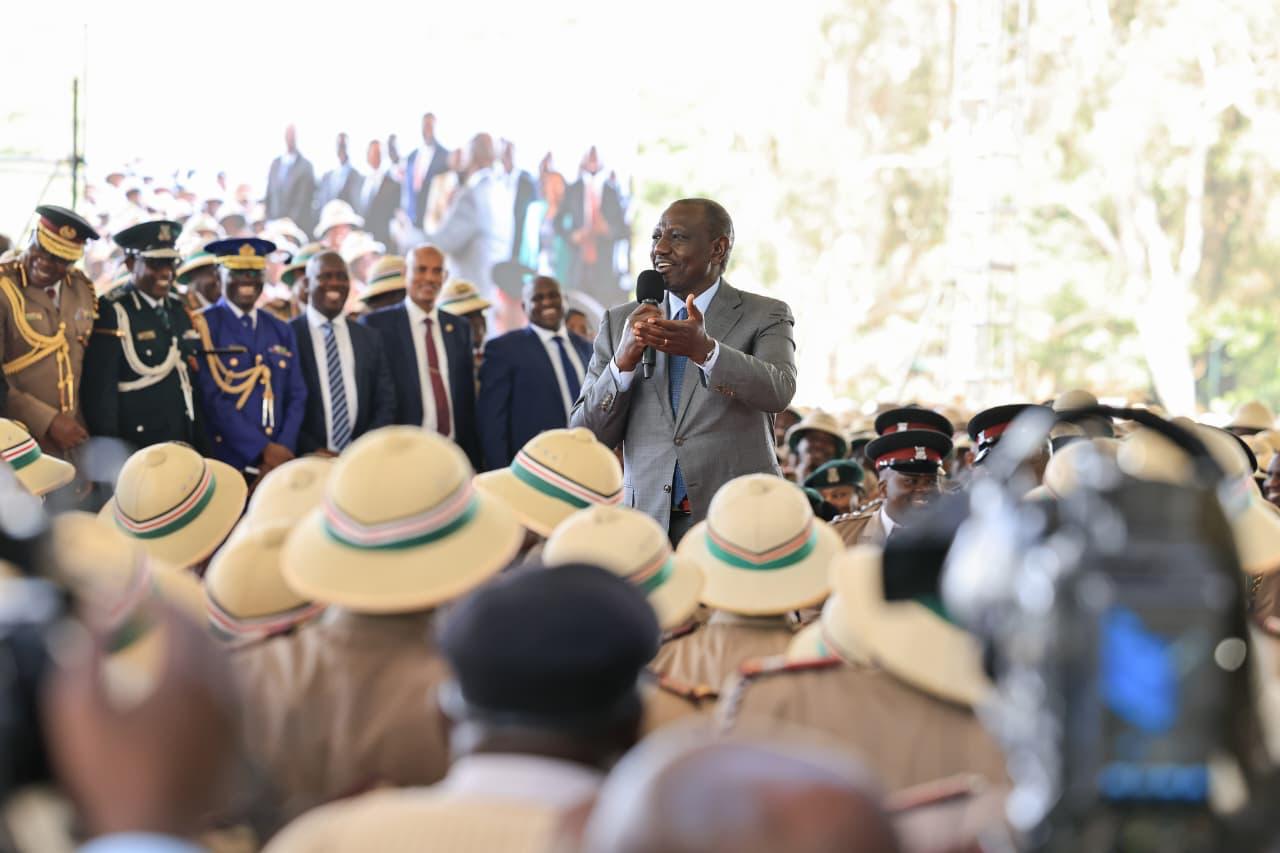
President William Ruto has announced that all chiefs across
the country will receive digital tablets within the next six months to
facilitate electronic reporting.
Ruto said the move aims at improving efficiency in the national security and administrative system.
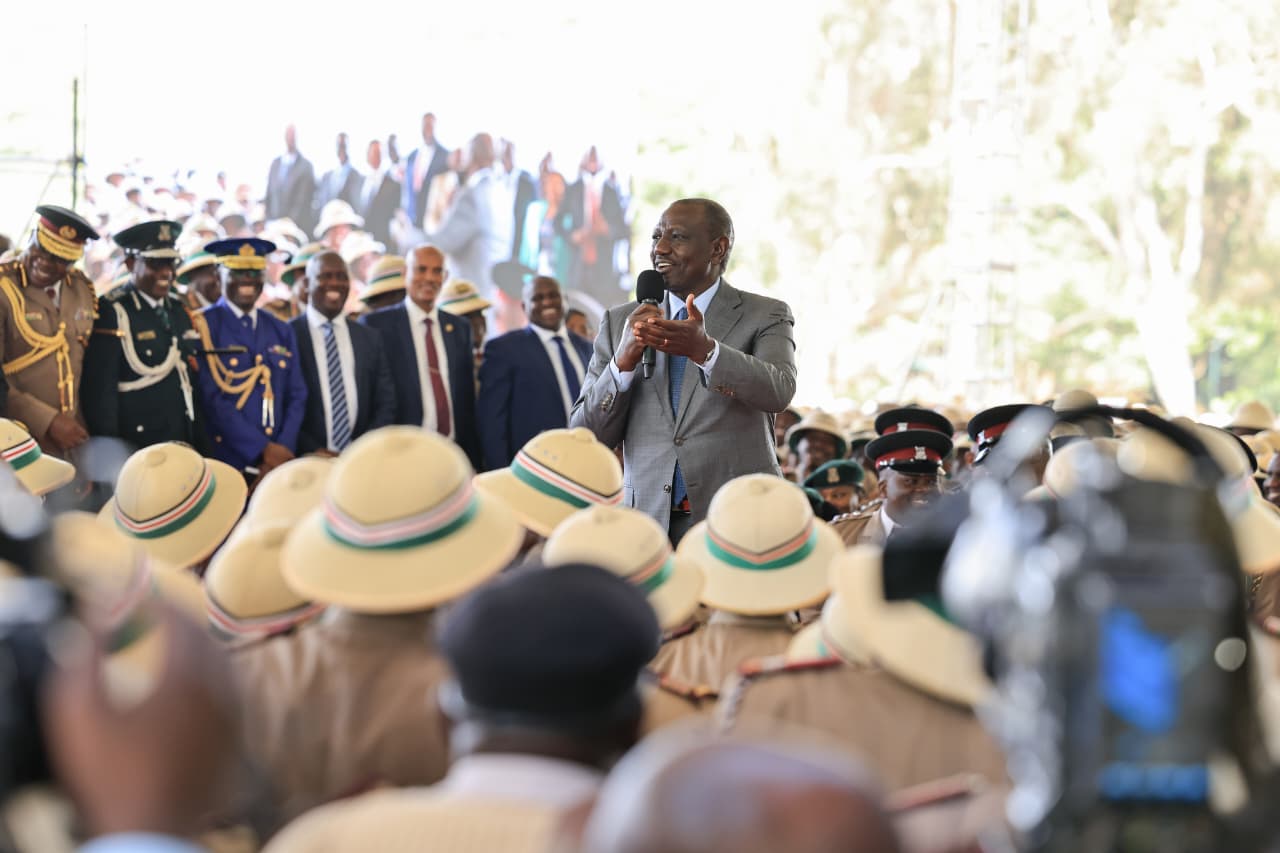
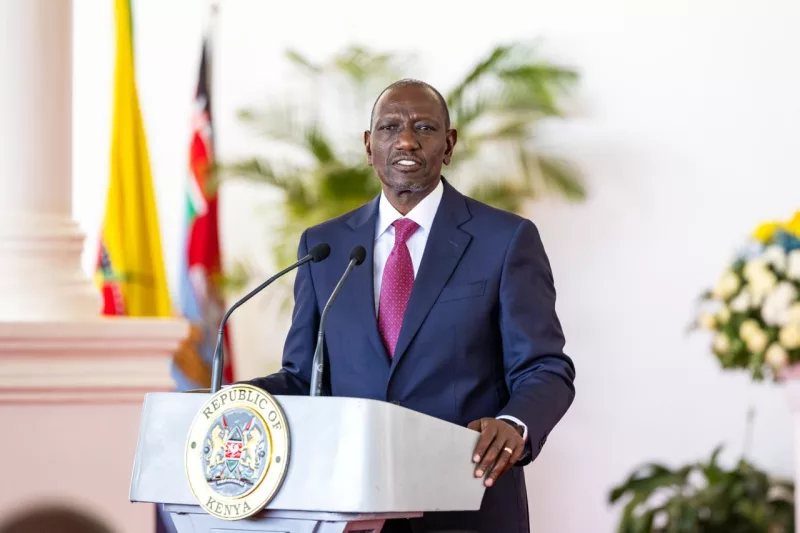
The President made the announcement at State House Nairobi on Tuesday while receiving the Jukwaa la Usalama report, which captures nationwide feedback on security and service delivery challenges gathered through grassroots engagements.
Ruto said the new devices will enable chiefs to file reports instantly on a digital platform, enhancing accuracy, accountability, and response time.
“The tablets will be for filing reports on a digital platform. You will be reporting incidents digitally so that we can have a national database and increase our response time,” he said.
He added that digitisation was now central to the government’s strategy to improve human-resource management and streamline decision-making at all levels of administration.
As part of the broader digital transformation agenda, the government will also digitise police records, National Government Administrative Officers' (NGAOs) records, National Police Reservists' data, and the Occurrence Book system.
Ruto said these reforms are intended to strengthen institutional efficiency and transparency.
“We want to increase our efficiency and accountability,” he noted, emphasising that outdated, paper-based systems can no longer support the demands of modern governance.
The Jukwaa la Usalama report underscores the urgent need for such reforms, identifying major gaps in ICT infrastructure within the security and administrative sectors.
It observes that many government officers continue to rely on obsolete computers and outdated equipment, while others, especially those working in remote or marginalised areas, struggle with unreliable or extremely limited internet connectivity.
This digital divide, according to the report, carries serious security implications, particularly in relation to timely reporting, real-time coordination with other agencies, and effective incident response.
It also increases vulnerability to cyber-attacks and reduces the likelihood of recovering data in the event of system failures or disasters.
The report recommends targeted investments in modern ICT infrastructure, including regular equipment upgrades, maintenance, and expanded internet connectivity across all administrative units.
Such interventions, it states, would significantly improve productivity, accountability, and operational readiness, while strengthening nationwide coordination between government departments and security organs.
The Jukwaa la Usalama forums, conducted between April 7 and October 2, 2025, covered all 47 counties and gathered extensive views from citizens, local leaders, and government officials.
The consultations provided first-hand insights into community-level challenges and expectations, and have been instrumental in shaping the Ministry’s evolving security strategies.
According to the report, the forums helped foster trust between security agencies and the public while encouraging a more citizen-centred approach to policing and administration.
Ruto said the findings and recommendations will guide the government’s next phase of reforms, aimed at bolstering national security, modernising public administration, and ensuring that citizens receive faster, more efficient services.