Russia’s recruitment of African fighters and labourers has
emerged as the latest front in Moscow’s widening security and political
footprint on the continent, deepening instability from the Sahel to Central
Africa and entrenching alliances with military juntas, according to new
findings by security analysts and human rights monitors.
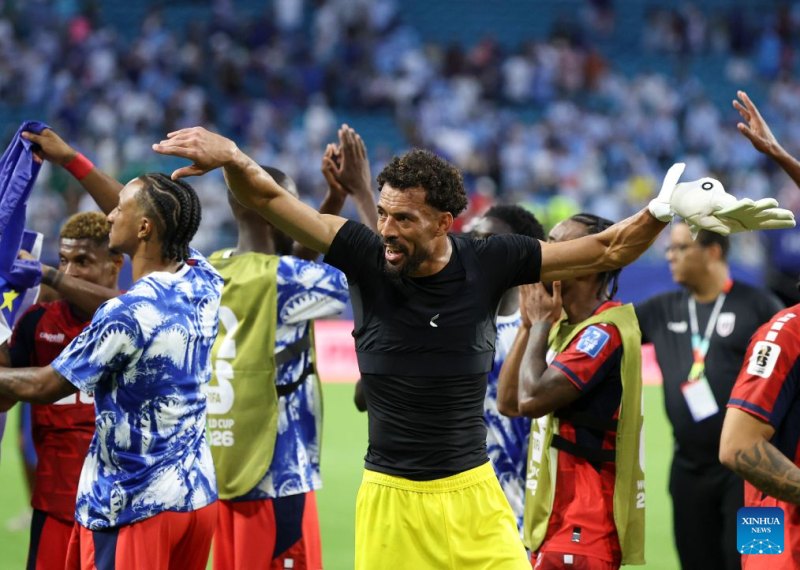
At least 1,436 Africans from 36 countries have been
identified fighting for Russian forces in Ukraine as of November 2025, though
experts believe the real number is higher.
Investigators say many recruits are lured through fraudulent
promises of high salaries, education opportunities and residency rights in
Russia — benefits that rarely materialise once they arrive.
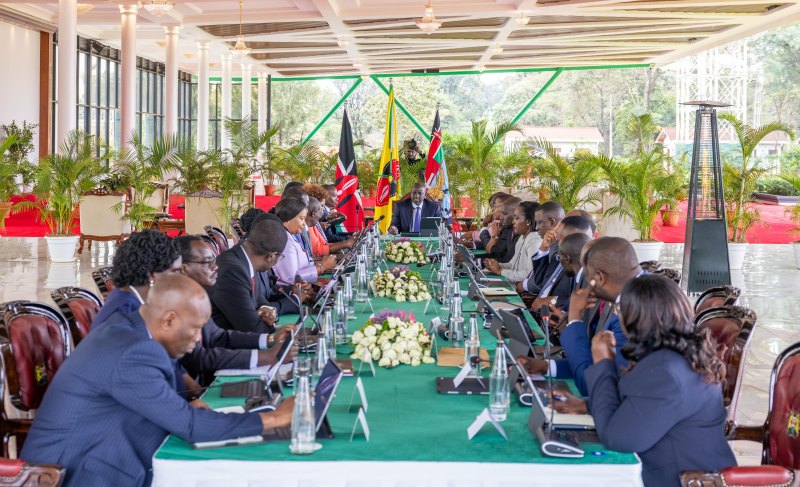
In Kenya, the Ministry of Foreign Affairs recently announced
that over 200 Kenyans are currently in Russia fighting against Ukraine.
It said most of those who have been repatriated — some with
severe injuries from the frontlines — reported being duped into joining the
war. They were promised better jobs and good salaries, only to end up in
military camps across Russia.
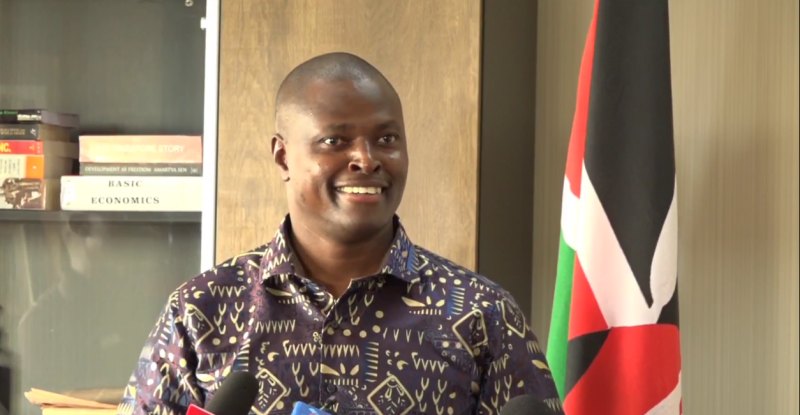
“Reports suggest that over two hundred Kenyans may have
joined the Russian military, with some being former members of Kenya’s
disciplined services,” Prime Cabinet Secretary Musalia Mudavadi said.
A parallel recruitment drive targets young African women,
aged 18 to 22, who are transported to Russia’s Alabuga Special Economic Zone to
work in drone-manufacturing plants. Women from Uganda, Rwanda, Kenya, South
Sudan, Sierra Leone and Nigeria have been identified.
According to the report, these women face “slavish working
conditions,” wage cuts, confiscated passports and heavy restrictions on
movement, effectively trapping them in forced labour.
Russia’s growing pool of African recruits coincides with the
aggressive expansion of its mercenary groups — the Wagner Group and its
successor, the African Corps — which are now active across Sudan, Mali, Burkina
Faso, Niger and the Central African Republic (CAR).
According to a report by the Global Initiative Against
Transnational Organized Crime (GI-TOC), 14 Kenyan women are among at least 200
young Africans working under harsh conditions in the Alabuga Special Economic
Zone in the Republic of Tatarstan.
The Russian Embassy in Kenya dismissed the report, insisting
it was part of an anti-Russian narrative being spread across Africa.
“Today Russia, and especially its dynamically developing relations with Africa,
has become the object of a large-scale disinformation campaign. Western
countries, which realize that their position in the world is becoming
increasingly precarious, are resorting to various — sometimes the most
despicable — tools,” the embassy said in a statement.
It further noted that Kenyan officials at the Mission in Moscow are in constant
communication with representatives of the Alabuga SEZ.
Analysts say the operations of Russia’s mercenary groups
violate international conventions on mercenary activity and have fuelled
widespread instability.
“They are not peacekeepers; they are resource extraction units with guns,” said
Abdoulaye Sissoko, a regional security expert in Bamako.
In countries such as Sudan and Mali, these networks have
become central to Russia’s strategic influence and funding streams.
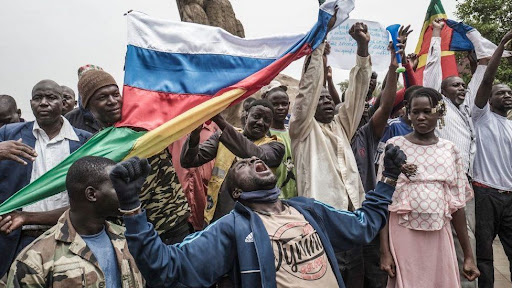
Politically, Moscow has entrenched itself by backing
military juntas in Mali, Burkina Faso and Niger, while increasing its influence
in Chad.
This alignment has fractured regional cooperation and
weakened long-standing institutions.
The creation of the Alliance of Sahel States, backed by
pro-Russian juntas, and the withdrawal of its members from ECOWAS have
threatened West Africa’s most functional security and economic bloc.
“This is a direct challenge to ECOWAS and to the principle of collective
security,” said a senior ECOWAS diplomat.
“Russia is shaping political outcomes in the region by
empowering regimes that depend on its military support.”
The African Union is also feeling the strain. In the Central
African Republic, where Wagner forces have operated for years, violence
continues to flare.
In Mali, Russian-backed authorities face an energy blockade
and rising attacks by militant groups, leaving large parts of the country
beyond state control.
The consequences are not confined to Africa.
The exploitation of vulnerable young Africans — whether for
the battlefield or the factory floor — is fuelling new migration flows toward
Europe.
“Moscow understands that migration is political leverage,” said Dr. Helena
Richter, a European analyst specialising in hybrid warfare.
“Instability in the Sahel is not accidental. It serves
Russia’s broader geopolitical narrative.”