State Corporations Advisory Committee
(SCAC) Secretary Simion Indimuli and Inspector General of the State
Corporations James Warui have raised concerns over misuse of resources and privileges
by board officials of state agencies.
The state Corporations regulators say some
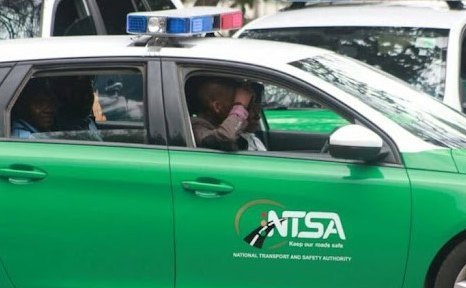
board officials have been abusing the privilege of transport by using government vehicles
to run personal errands.
In one case, the unnamed chairman of a parastatal
employed his girlfriend as the corporation secretary, while some chairs engage in the day-to-day running of their agencies, which has been fingered as irregular.
Some of the board chairs use government vehicles
which are mounted private number plates to conceal their registration while
others hire unqualified officers.
Inspector General of State Corporations
James Warui warned members of the boards also irregularly review salaries of
their CEOs or top managers.
Warui said one of the parastatals has seen
the board increase a salary of its CEO three times and also increased his
entertainment allowance by 20 percent.
“We have written to that particular
corporation asking for minutes of the Board meetings that reviewed the salary
and allowances to enable us surcharge the Board and the CEO the illegal
payments,” he said.
Warui also revealed that in some case, a
board of one of the agencies hired a CEO who had D Plus in KSCE exams and had
doubtful professional certificates, while another hired his girlfriend.
“Board Y employed an unqualified Company
Secretary who had a romantic relation with the Board chairman. This is
tantamount to conflict of interest, and such acts are liable to surcharge,” the
IG of State Corporations cautioned.
Chairpersons and board members are only
supposed to be provided official transport (car) while on official duty of the
state corporation, according to SCAC.
However, Indimuli says some parastatal
bosses arm-twist their Chief Executive Officers (CEOs) to provide them with
transport beyond their working hours.
“Compliance remains hazy since CEOs only mumble
about the actual practice. The worst bit involves rumoured board chairpersons/members
signing work tickets,” Indimuli said.
The SCAC boss said board officials found to
violate this requirement risk being degazetted and surcharged for abuse of
office.
Indimuli was speaking on Wednesday morning in
a zoom meeting attended by Principal Secretaries (PSs), chairpersons, members
of boards, CEOs and corporation secretaries of parastatals following a
directive of Head of Public Service Felix Koskei.
The SCAC boss said some board members go to the office on regular basis and start issuing directives to staffs when they are
appointed on non-executive terms.
“Let me remind the board members that you
are not executive appointees to go to the office every day. In some cases, you have
board members issuing directives to staffs on operations such as procurements
matters,” Indimuli said.
SCAC also raised concerns over some board members,
who are alternatives to PSs, being irregularly appointed either by overstaying
in the boards or being less qualified.
PSs have been put on the spot for appointments of incompetent alternates who lack requisite experience, with some lacking independence
of thought and keeping on consulting their appointing authorities in the course of
their meetings.
“Government policy has required the selection
of alternative directors by PSs to be on the basis of subject matter expertise,
knowledge and experience, and the officer’s integrity serving below job Group ‘P’,”
Indimuli said.
He added; “The officers are required to
serve only if duly appointed for a three-year term, renewable once. There is a
serious breach relating to officers in lower grades, those who are serving beyond
three years without reappointment, and some are still serving beyond six years.”
The session was part of a three-week directive
by Koskei to all public servants to attend mandatory online sensitisation and
training on addressing inefficiency, impunity, and corruption.
The trainings and sensitisation are being
used as a forum to reiterate the roles of various officers in addressing
impunity, indiscipline, inefficiency, and corruption in the civil service.
The exercise that commenced on October 29,
2025, is slated to end today, November 12, 2025, according to a circular from
Koskei’s office.

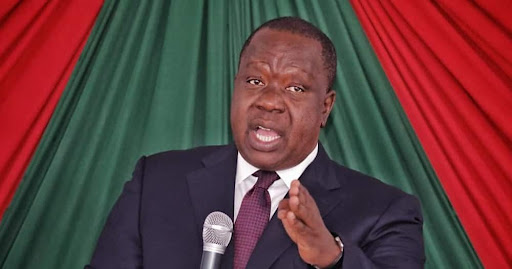
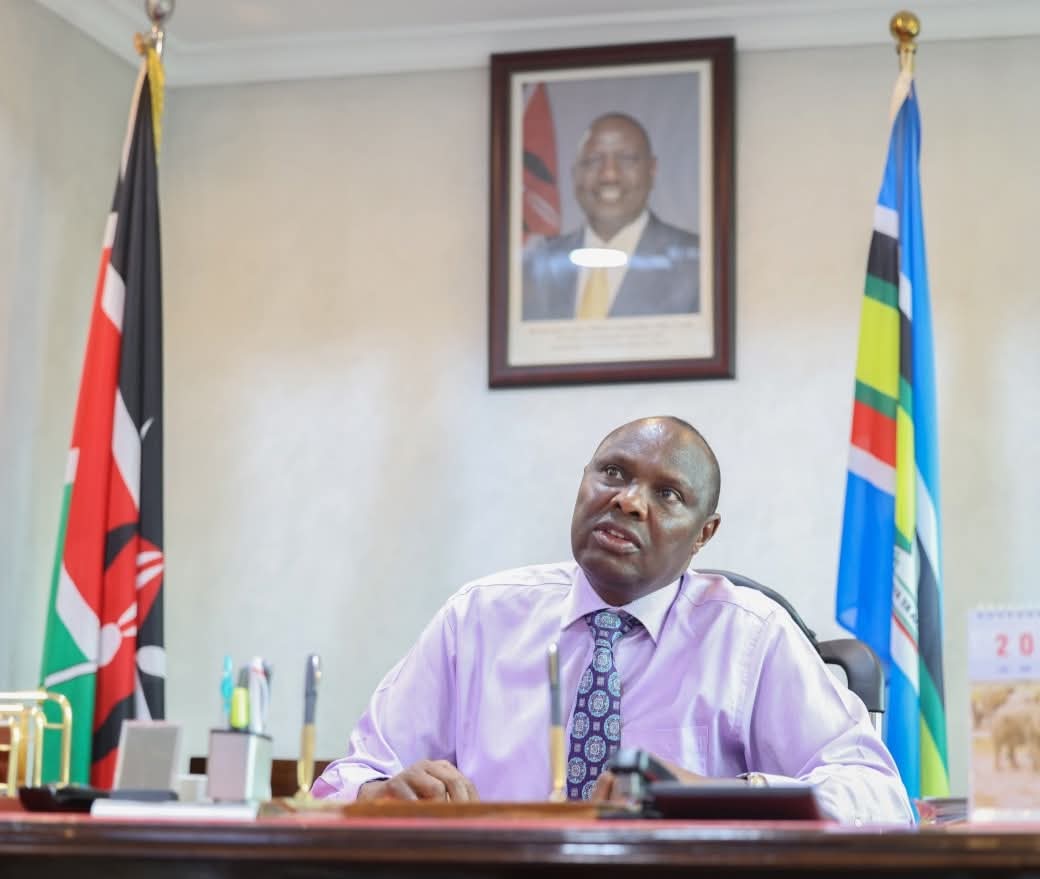 Head of Public Service Felix Koskei./FILE