
Kenya imports an estimated 5 billion eggs every year to
bridge a growing supply deficit, Agriculture and Livestock Development Cabinet
Secretary Mutahi Kagwe has revealed.
Speaking during a tour of the Kenya Agricultural and
Livestock Research Organization (KALRO) Dairy Research Centre in Msabaha,
Kilifi County, Kagwe said Kenya currently produces only 4 billion eggs annually
against a national demand of 9 billion, forcing heavy reliance on imports.
“This must stop,” the CS said firmly.
“We must stop
importing eggs and start producing enough for ourselves. That requires farming
guided by science — not guesswork.”
The Cabinet Secretary stressed that Kenya’s food security
goals can only be achieved through scientific research, data-driven decisions,
and innovation in the agricultural sector.
He emphasized that investment in research institutions like
KALRO is essential for developing sustainable solutions to local production
challenges.
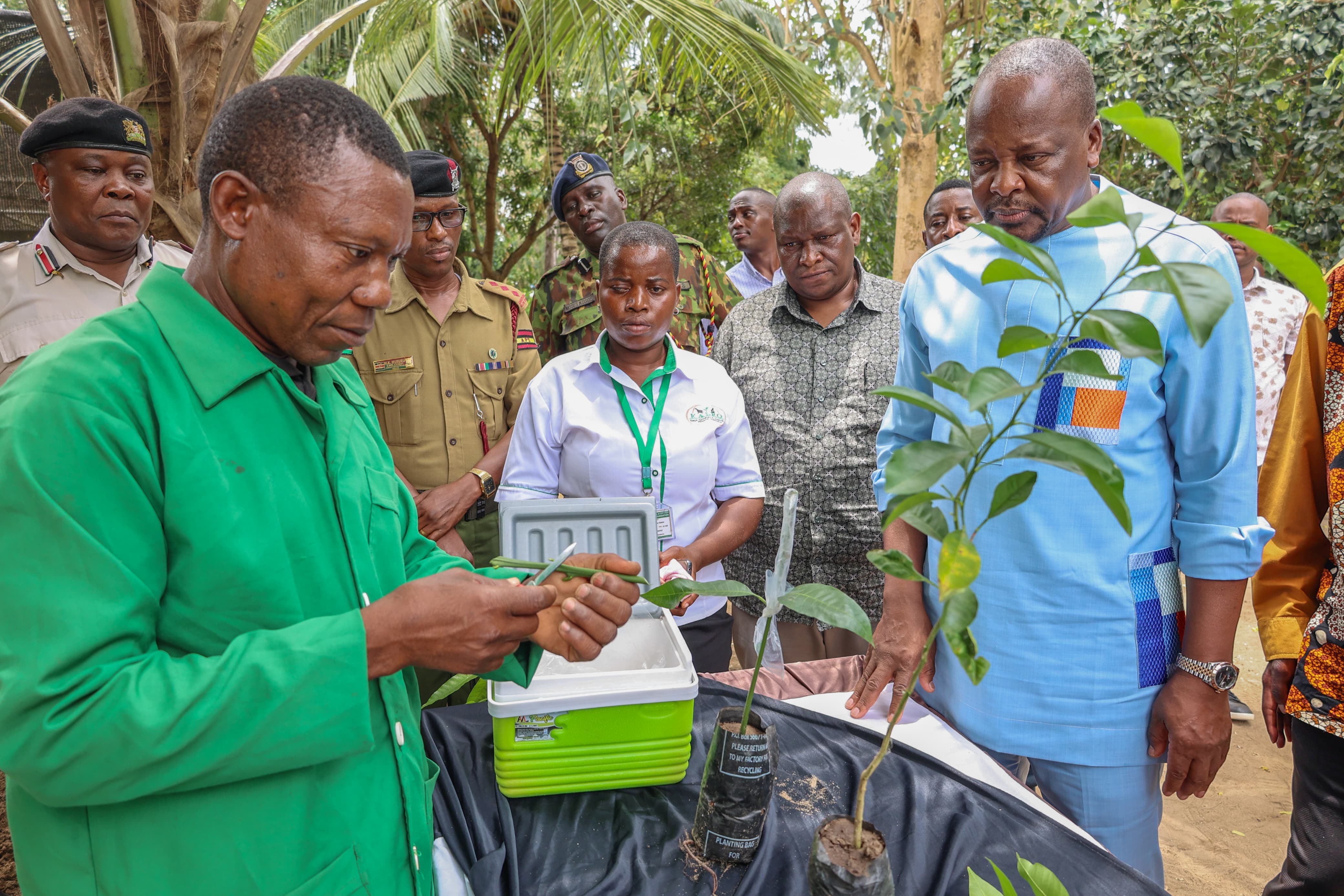
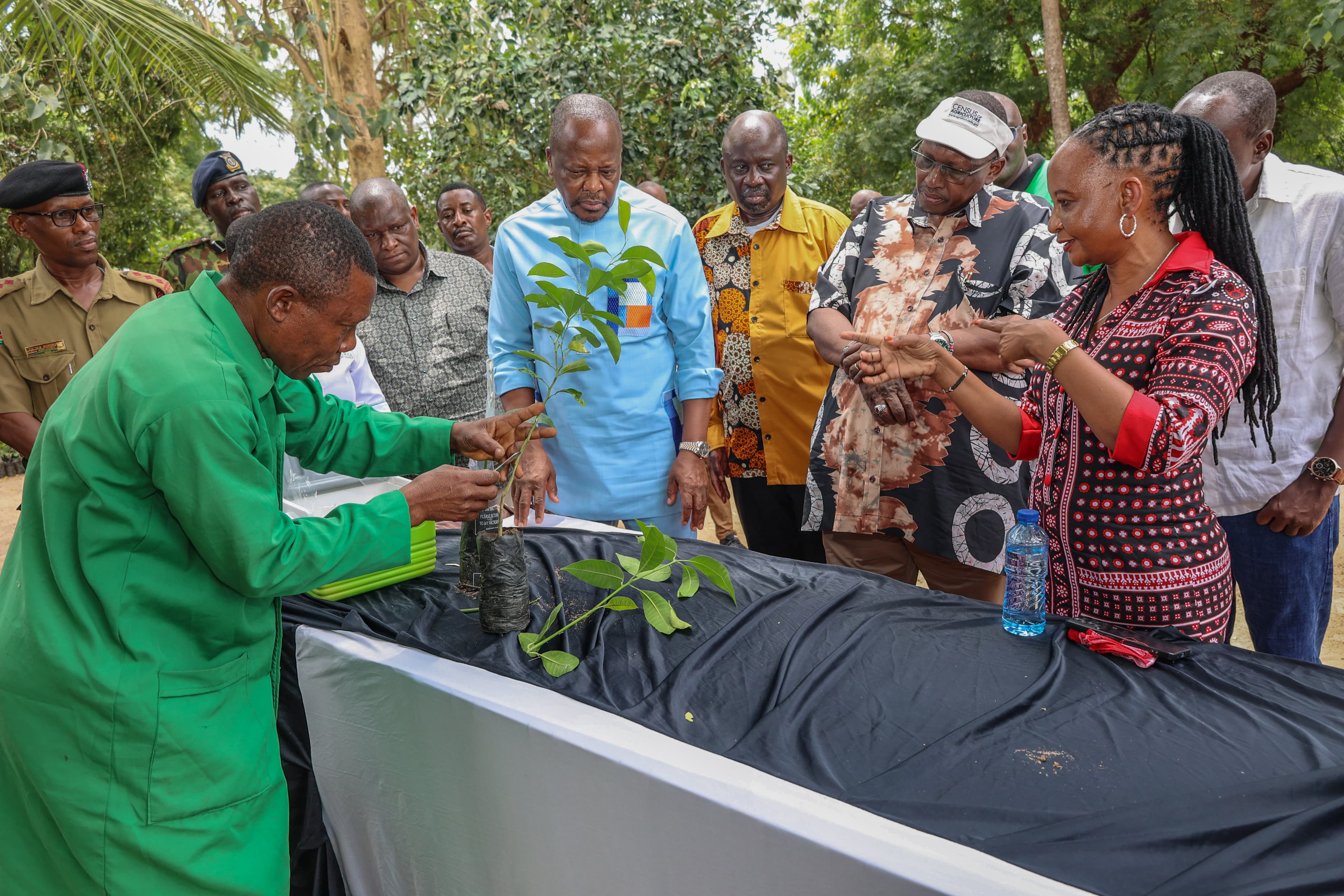
During the visit, Kagwe observed ongoing research on
improved crop varieties, grafting techniques, and livestock feed formulation,
which he said are critical innovations for boosting agricultural productivity
and resilience amid climate change and rising input costs.
He also highlighted the importance of soil testing, proper
input use, and precision agriculture as key steps in improving yields,
especially as the country faces increasing pressure from population growth and
limited arable land.
“The future of our food security lies in science —
understanding what our soils need, how our crops respond, and how our animals
produce. That is the only way to move from subsistence to sustainability,”
Kagwe said.
The CS also addressed Kenya’s dairy sector, calling for a shift to quality-based milk production supported by improved animal breeds and modern husbandry practices.
He noted that the ministry is strengthening partnerships
with researchers and private sector players to promote value addition and
competitive market access for local producers.
Kagwe further called for youth participation in agriculture,
noting that the average Kenyan farmer is about 64 years old.
“Our young people understand technology. Let’s pass the
torch to them — they are the future of modern, scientific agriculture,” he
said.
He added that Kenya’s agricultural transformation must be
anchored on research, innovation, and evidence-based policymaking, not routine
or outdated traditions.
The CS was accompanied by KALRO Director General Dr. Eliud
Kireger, Dairy Research Institute Director Dr. Samuel Mbuku, and other senior
ministry officials during the visit.
Kagwe reaffirmed that boosting local egg production is part
of the government’s broader plan to reduce imports, enhance food security, and
promote self-reliance in agricultural production.