

Kenya has secured a fresh $1.5 billion (about Sh193.8 billion) from
international investors in a move the government says will cut borrowing costs,
ease pressure on taxpayers, and protect the economy from sudden shocks.
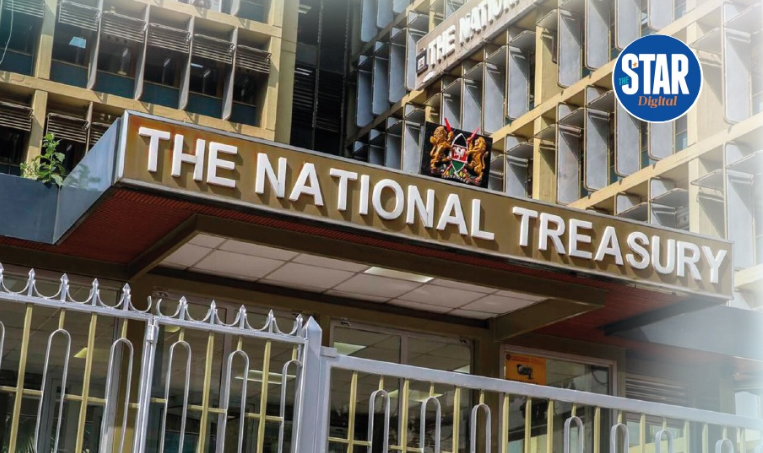
The National Treasury announced on Friday that
the money was raised through two loans, a seven-year facility at an interest
rate of 7.875 percent and a 12-year loan at 8.8 percent.
Together, this gave Kenya an average borrowing cost of 8.7 percent, which
officials say is one percentage point lower than what the country would have
paid earlier this year.
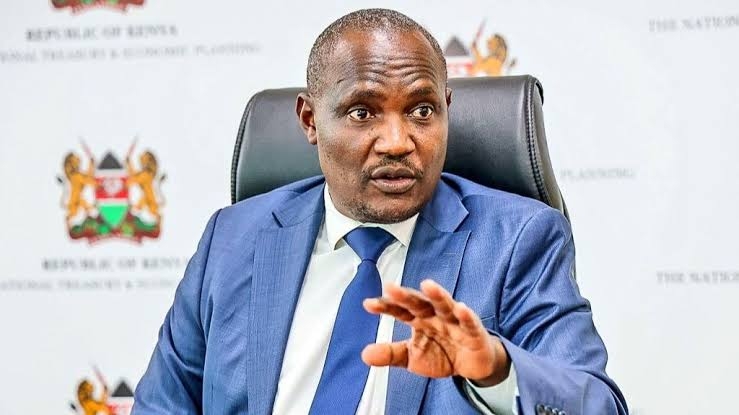
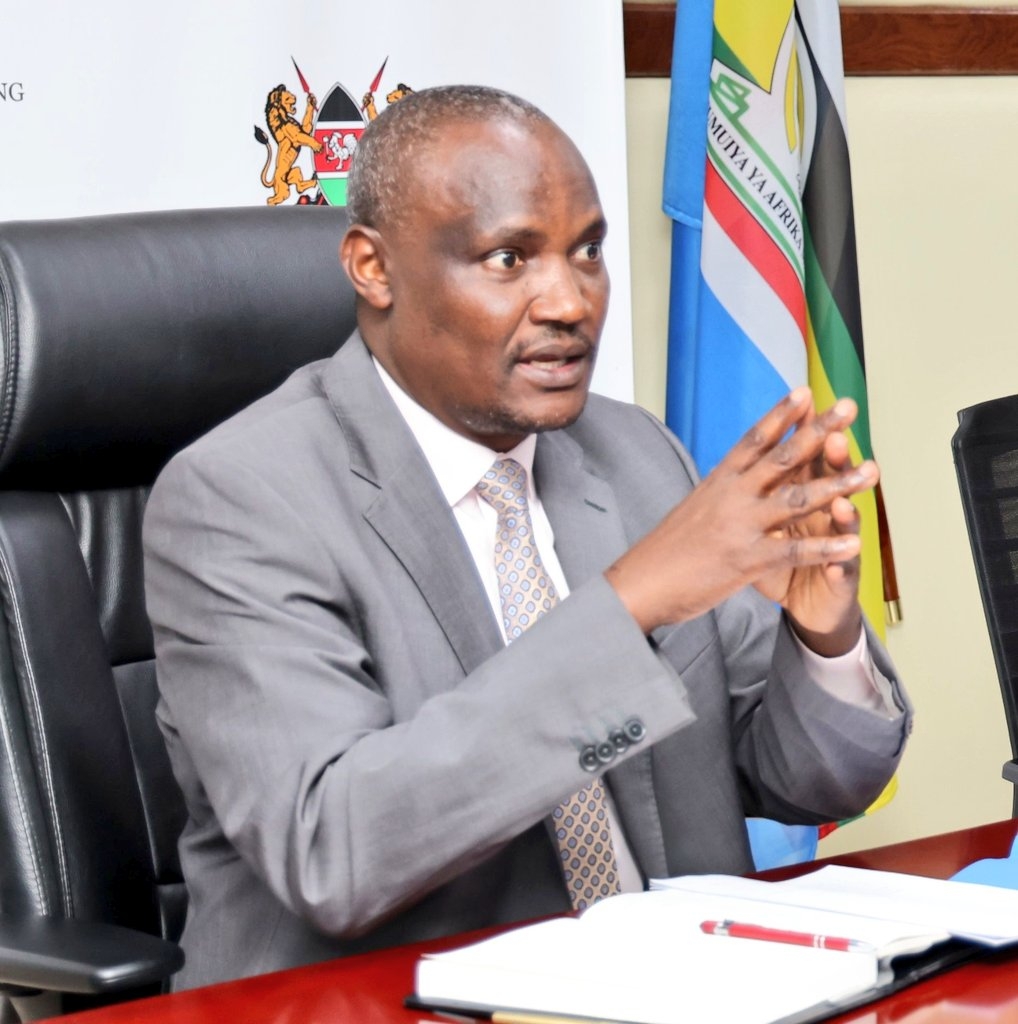
“This transaction shows the Government’s firm
commitment to managing debt more wisely, paying off loans on time, and
protecting Kenyans from sudden repayment shocks,” said Treasury Principal
Secretary Dr. Chris Kiptoo in a statement.
The new loan has already been used to pay off
$1 billion of Kenya’s 2028 Eurobond ahead of schedule.
According to the Treasury, repaying the earlier debt not only avoids higher
interest costs in the future but also gives Kenya breathing space by spreading
out repayments over a longer period.
Dr. Kiptoo explained that the decision would
help reduce interest costs and ease the financial burden on citizens.
“By securing this deal, the Government has also smoothened and lengthened
loan repayments, giving Kenya more breathing space in managing its finances,”
he said.
The borrowing attracted significant attention
from global investors.
Although the government only sought
$1.5 billion, international investors offered more than $7.5 billion, five times the amount needed.
Treasury officials said most of the support came from fund managers in the
United States and the United Kingdom.
“The strong response shows renewed confidence
in Kenya’s economy,” Dr. Kiptoo noted.
By tapping into international markets at slightly lower rates, Kenya has signaled to lenders that it remains a credible borrower.
The Treasury said the funds will also help
keep the economy stable while creating room to support development in key areas
such as roads, healthcare, and education.
“This success means Kenya will spend less on
interest, ease pressure on taxpayers, and keep the economy stable while
creating room to fund development priorities such as roads, health, and
education,” Dr. Kiptoo said.
Kenya has carried out similar debt management
exercises since 2024.
The latest deal is the third of its kind and is part of a plan by
President William Ruto’s administration to restructure debt and reduce the
risks associated with large repayments falling due at once.