In light of the increasing incidents of alleged police abuse
of power and human rights violations, the Independent Police Oversight
Authority has rolled out an elaborate effort to ramp up its activities, acquire
technology and align policing with human rights standards.
According to its Strategic Plan 2025–2030, the authority
wants to launch an aggressive fundraising from development partners to reduce
reliance on the exchequer, boost public confidence in its work, hire more staff
to strengthen its establishment and retool its operations through digitisation.
To promote compliance with human rights standards and the
rule of law, Ipoa aims to reduce the proportion of police officers implicated
in human rights abuses from 23 per cent to 15 per cent within the five-year
period.
It also seeks to improve complaint resolution efficiency
from 59 per cent to 76 per cent.
To promote professionalism in the National Police Service, Ipoa
intends to reduce the number of complaints from 4,095 to 3,000 over the plan
period.
Moreover, successive Ipoa leadership has been complaining
about declining state funding and delay in exchequer releases, hence
undermining its capacity to robustly hold police officers accountable.
It is seeking to ramp up its strategic development
partnerships to expand collaboration and increase funding. In this regard, the
authority hopes to raise support from development partners from the current
Sh200 million to at least Sh300 million.
The plan states that annual work plans and performance
contracts will be derived from the strategic plan to maintain alignment and
monitor progress. A coordination framework will define leadership roles,
resource requirements and institutional responsibilities to foster
collaboration and efficiency.
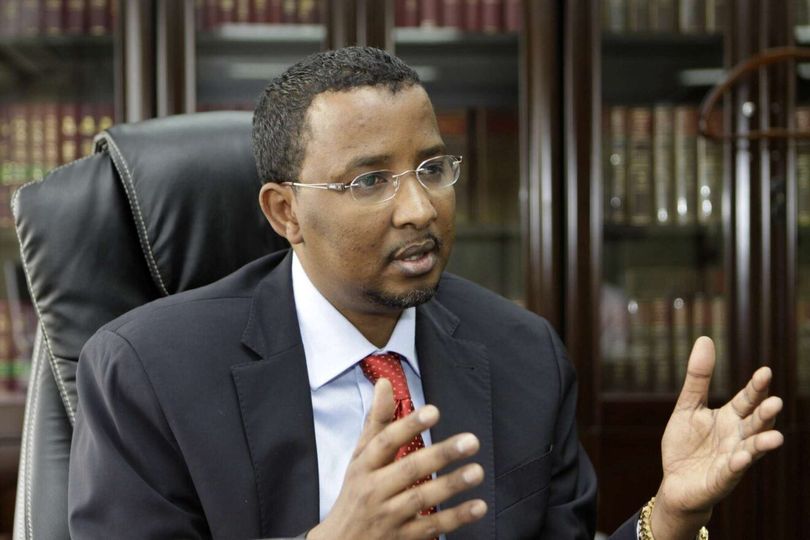
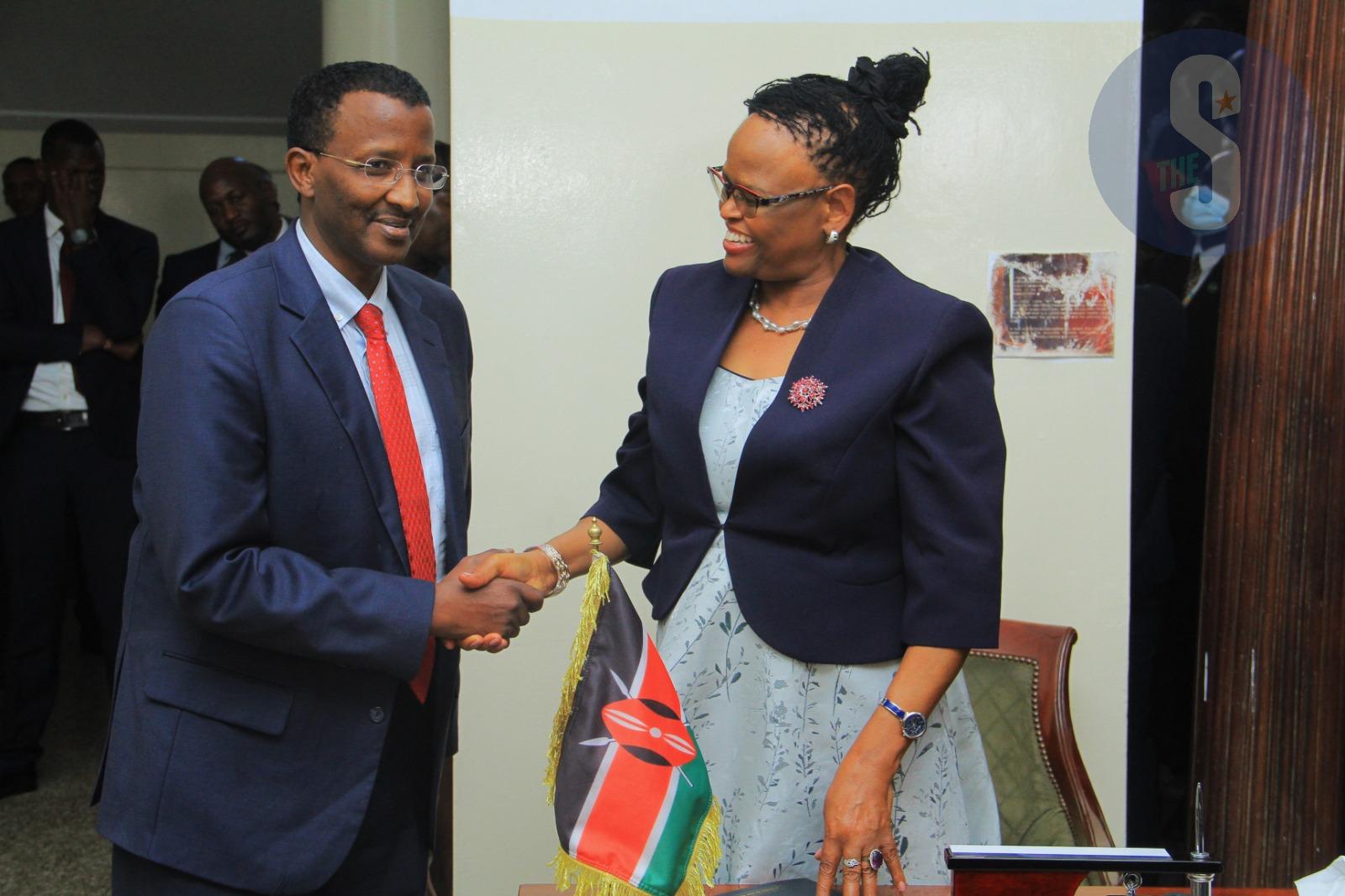
To optimise resource utilisation, the Isaac Hassan-led body
hopes to achieve unqualified audit status every year for the period of the
implementation of the plan by adopting a strategic approach to ensure proper
allocation of resources, minimise wastage and enhance service delivery.
This approach aligns Ipoa’s activities with Kenya’s broader
development goals, emphasising value addition and operational efficiency, the
plan shows.
Additionally, a risk management framework has been
incorporated, outlining potential risks and mitigation measures to ensure
resilience and adaptability during the implementation period.
The second pillar focuses on enhancing public trust and
confidence in the National Police Service and Ipoa. The authority plans to
raise its customer satisfaction index from 51.7 per cent to 74.8 per cent and
increase public awareness of Ipoa from the current 20 per cent to 30 per cent.
The plan also emphasises improving human capital for
effective and efficient service delivery. Ipoa seeks to increase staff strength
from the current 25 per cent of approved establishment to 54 per cent in five years.
To realise its mandate and implement its planned activities,
the document reveals that it must strengthen its capacity in financial, human,
technological and physical resources.
Current staffing stands at 289 against an approved
establishment of 1,377, which is inadequate for overseeing the work of more
than 130,000 police officers nationwide.
The document shows that with a 32 per cent growth in staff
strength between 2018 and 2024, it is already experiencing congestion and
overcrowding in its offices.
Currently, Ipoa has nine regional offices but is expected to
provide oversight across the country, where more than 3,000 police facilities
are spread across 1,450 wards. To enhance its capacity, the authority intends
to decentralise services further and adequately equip its offices.
Its end-term evaluation of its retired strategic plan for
2019-2024 revealed a high success rate in its efforts to enhance police
accountability, foster stakeholder collaboration and build institutional
capacity, the plan shows.
The evaluation was conducted internally and employed an
output-based approach, resulting in an overall performance score of 92 per
cent.
"Ipoa demonstrated substantial progress in each of the
key result area, contributing to its mandate of fostering accountability and
professionalism within the National Police Service. The evaluation, incorporating
feedback from the authority’s stakeholders and staff as well as the analysis
for the performance metrics, provides an exhaustive overview of Ipoa’s accomplishments,
challenges, and lessons learned over the strategic plan implementation
period."
INSTANT ANALYSIS
Through the new plan, Ipoa sets a bold vision of scaling up
capacity, strengthening independence and driving professionalism in Kenya’s
policing. Its success, however, will depend on whether the agency secures the
political support and financial backing required to transform its oversight
mandate into tangible improvements in human rights compliance on the ground.