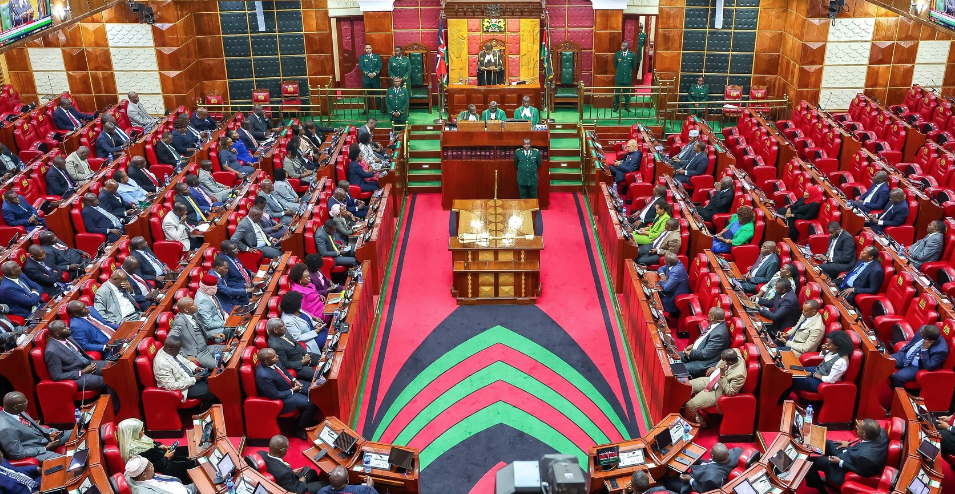
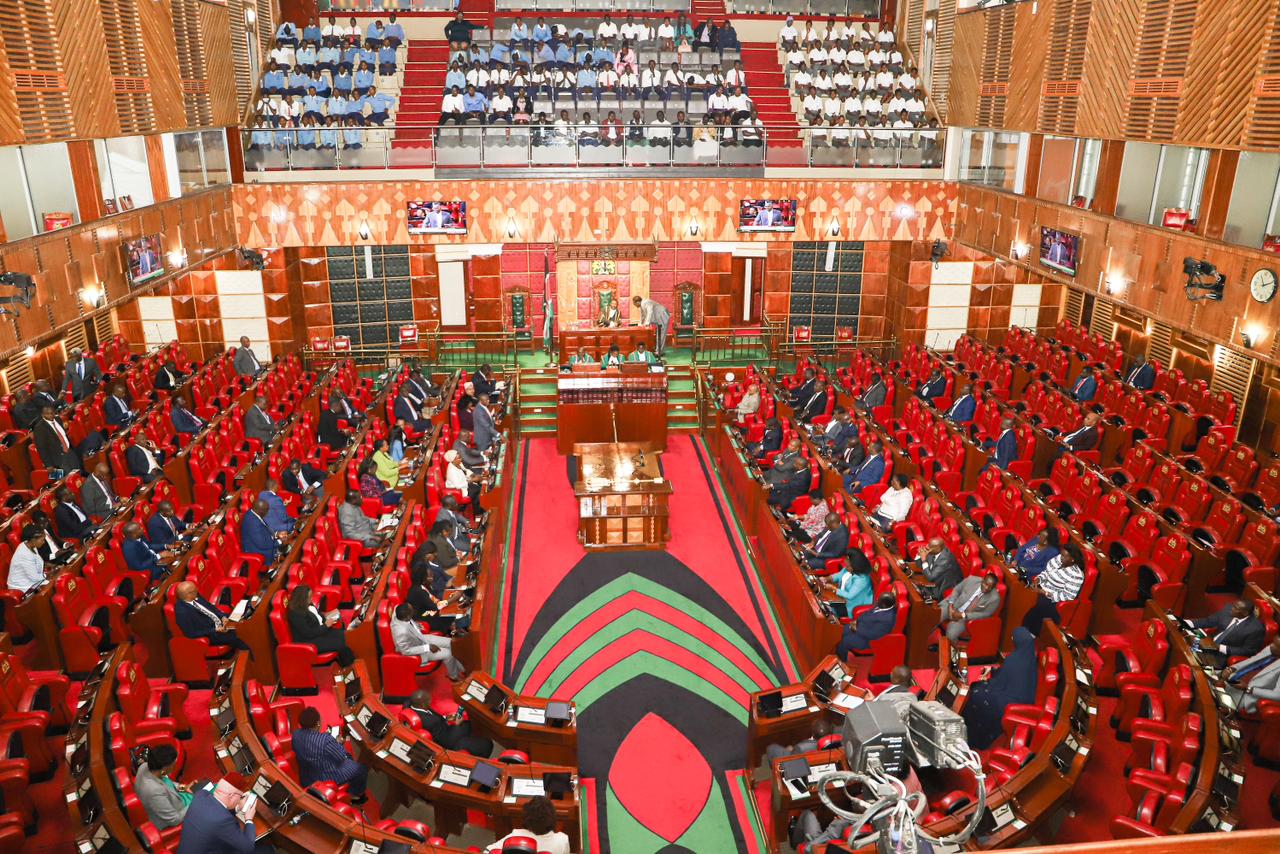
Parliament reconvenes tomorrow after a month-long recess, with MPs expected to dive into a packed in tray of urgent business during the third part of the fourth session of the current House.
High on the agenda are consideration of President William Ruto’s nominees to various agencies, deliberations on priority agreements and sessional paper as well as a number of crucial bills.
The National Assembly will be under pressure to fast-track several bills, including those on amendments touching on the Constituency Development Fund (CDF), which MPs are keen to safeguard amid mounting legal scrutiny.
Last week the High Court barred Parliament from submitting the Constitution of Kenya (Amendment) Bill to President William Ruto for assent, pending determination of a petition by Katthe Katibastitute.
Lawmakers are also set to resume deliberations on the contentious Political Parties (Amendment) (No 2) Bill (Senate Bill No 26 of 2024).
The
Bill seeks to amend the Political Parties Act, Cap 7D to replace the Office of
Registrar of Political Parties with the Independent Political Parties
Regulatory Commission.
The MPs will also consider Ruto’s nominees for appointments as high commissioners, ambassadors and consular generals.
Ruto had nominated ambassadors Musyoka Musili (Riyadh, Saudi Arabia), Florence Bore (Naimibia), Anthony Muchiri (Turkey), Lucy Kiruthu (Thailand), Henry Wambuna (Burundi) and Salat Abdille (Indonesia).
The lawmakers will also consider reports on nominee for the Registrar and Assistant Registrar of Political Parties, John Cox Lorionokou and Agatha Wanjiku, respectively.
In addition, the House will also deliberate on the Justice and Legal Affairs Committee report on the suitability of nominee for the Kenya National Commission on Human Rights (KNCHR) chairperson.
The President nominated Claris Ogangah to chair the human rights agency.
Other bills the lawmakers will consider are The
Privatisation Bill (National Assembly Bill No 36 of 2025), which seeks to
repeal and re-enact the regulatory framework for the privatisation of public entities
with a view to improving their efficiency.
Also lined up is the Virtual Asset
Service Providers Bill (National Assembly Bill No 15 of 2025) seeking to
provide a legislative framework to regulate virtual asset service providers and
address potential risks associated with the misuse of virtual asset
services.
“This classification is intended to
provide clarity in the maintenance, rehabilitation and development of the road
network across the country,” the Bill reads.
Other bills in the MPs’ in tray are The
Air Passenger Service Charge (Amendment) Bill, 2025, The County Governments (Amendment) Bill (Senate Bill No. 25
of 2023) and The Equalisation Fund Appropriation
Bill (Senate Bill No. 7 of 2025).
MPs will also debate the County
Governments Additional Allocations (No 2) Bill (Senate Bill No 8 of 2025) that
provides for the additional allocations to county governments for 2025-26.
They will also consider a number of
agreements and sessional paper key amongst them is the controversial sessional
paper on privatisation of the Kenya Pipeline Company (KPC).
Lawmakers have been away for a month
where they returned to their constituents as part of their representative role.
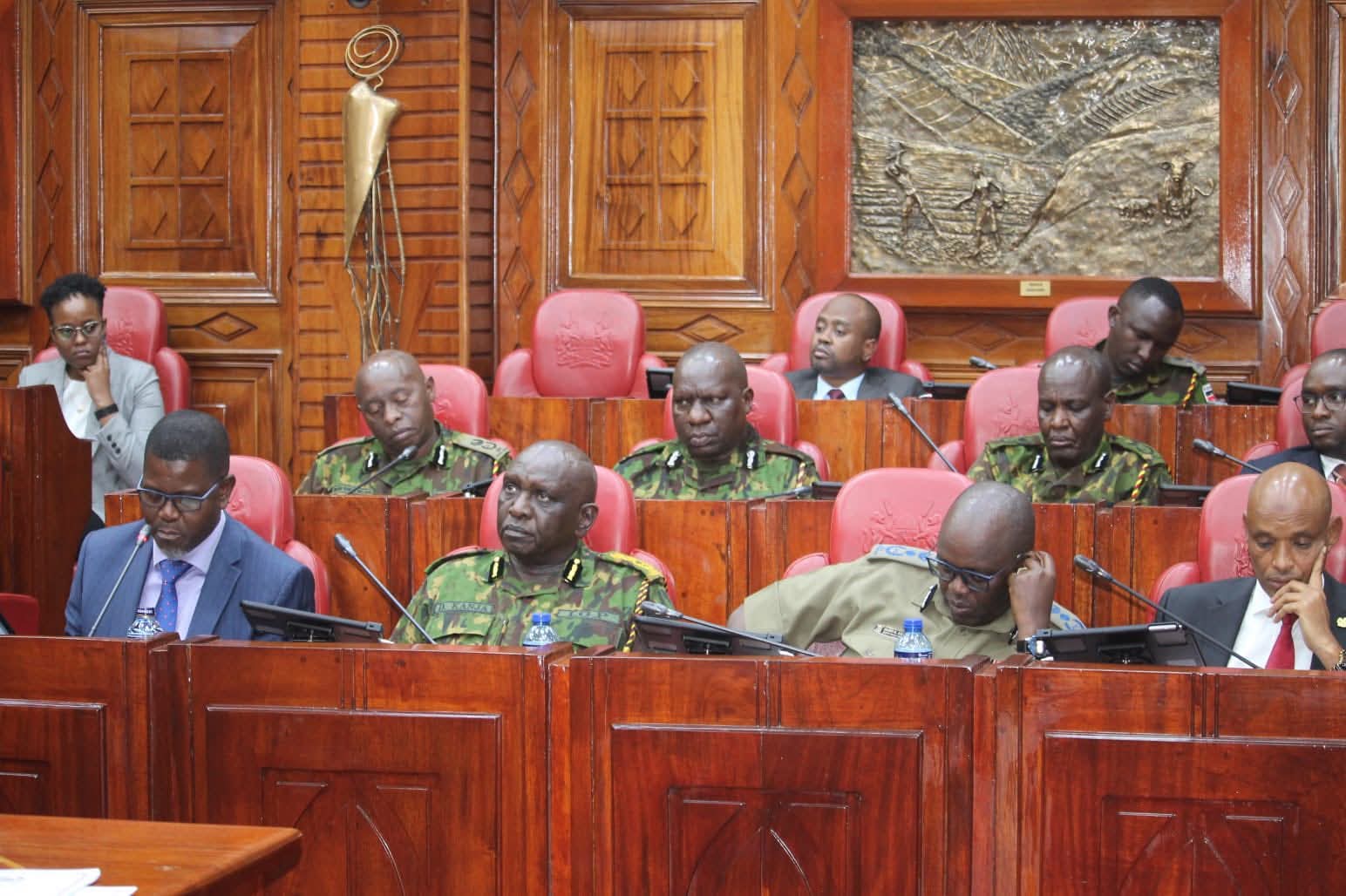
In addition, oversight responsibilities are expected to dominate proceedings, with watchdog committees lined up to grill top government officials over alleged procurement irregularities and stalled projects.
Already, whispers in parliamentary corridors suggest fierce battles lie ahead as MPs seek to flex their accountability muscles against backdrop bribery claims by President William Ruto last month.
INSTANT ANALYSIS
During the recess, members got the opportunity to conclude certain priority business in their respective committees, participate in the leadership retreat, return to their constituencies and counties to undertake their representative role, as well as take time to recharge and reconnect with their families.