EXPLAINER: What you need to know about World Rhino Day
The day started in 2010 as a small initiative by the World Wildlife Fund
by Allan Kisia
Audio By Vocalize
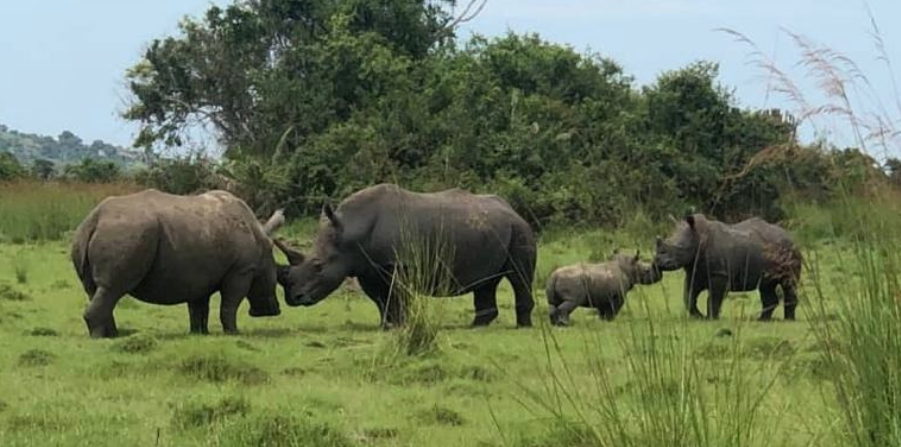
Rhinos in the wild/FILE
Every year on September 22, conservationists, wildlife
agencies, communities, and environmentalists around the globe come together to
mark World Rhino Day.
The day is dedicated to raising awareness about the plight
of rhinos and mobilising global support for their protection.
What started in 2010 as a small initiative by the World
Wildlife Fund - South Africa has grown into a powerful international movement,
celebrated in over 100 countries.
World Rhino Day is not just a day of awareness; it’s a call
to action, a reflection on progress, and a reminder of how fragile our natural
world has become under human impact.
World Rhino Day was first officially announced in 2010 and
strategically placed in the calendar on September 22 to coincide with global
conservation campaigns that take place in the later part of the year.
By anchoring this day in September, conservationists aimed
to create momentum heading into the final quarter of the year — when funding,
policy decisions, and international summits often take place.
Since then, the date has become a symbol of hope, struggle,
and continued effort in the race to save one of the world's most iconic animal
families.
On World Rhino Day 2025, the United Nations Environment
Programme (UNEP) reiterated the importance of rhinos, stating that these
magnificent creatures play a crucial role in maintaining healthy ecosystems.
Rhinos help shape landscapes — particularly grasslands and
forests — by grazing and trampling, which promotes plant diversity and supports
a wide range of other species.
Their presence benefits everything from birds to insects and
helps maintain the ecological balance required for entire ecosystems to thrive.
Yet, despite their importance, rhinos are among the most
endangered animals on the planet.
Rampant poaching, fueled by illegal demand for rhino horn,
along with habitat destruction and climate change, have pushed several rhino
species to the brink of extinction.
While the global picture remains dire, countries like Kenya
offer a glimmer of hope.
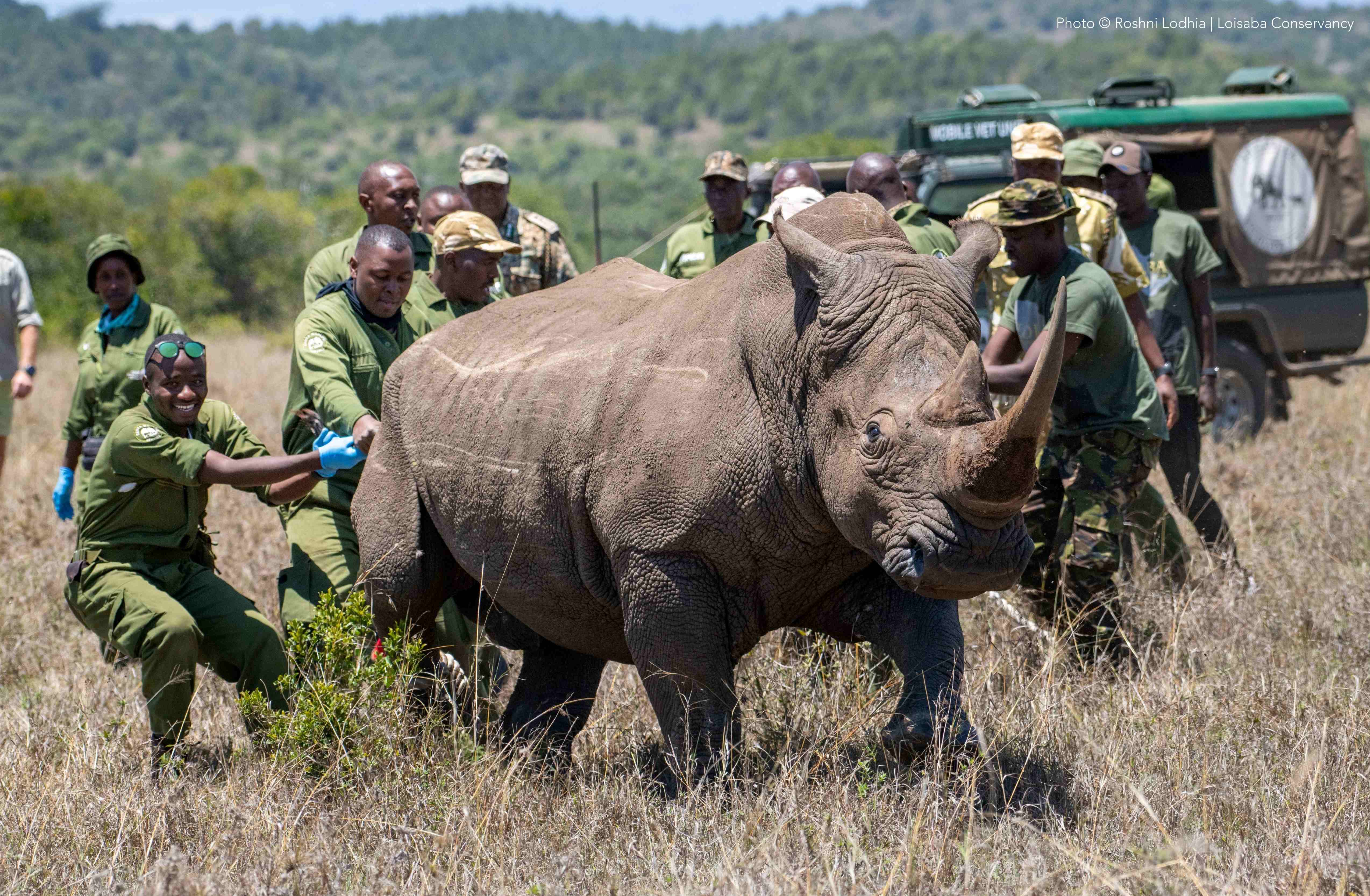
According to the World Wide Fund for Nature Kenya (WWF
Kenya), Kenya’s black rhino population has seen a remarkable recovery. From a
low of fewer than 400 individuals in 1989, the population has nearly doubled to
almost 1,000 today.
The Kenya Tourism Board (KTB) joined in the celebration,
affirming that conservation efforts are bearing fruit.
“Celebrating Kenya’s conservation wins. Our rhinos are
living proof that protection works,” read a statement from the board.
These successes are not by chance; they are the result of
years of investment in anti-poaching operations, community conservation
programs, and government support.
Kenya’s Cabinet Secretary for Tourism and Wildlife, Rebecca
Miano, praised the country’s achievements, noting that the national rhino
population has grown from 381 in 1987 to over 1,600 in 2025.
“Let’s continue to explore more and champion for the
protection of these wonderful species for our future generations,” she said.
In her message marking the day, Silvia Museiya, Principal
Secretary at the State Department for Wildlife, emphasised the need for ongoing
community engagement in conservation.
“By empowering communities to safeguard these iconic
creatures, we preserve our national heritage, strengthen biodiversity, and
ensure that future generations inherit a thriving and resilient ecosystem,” she
said.
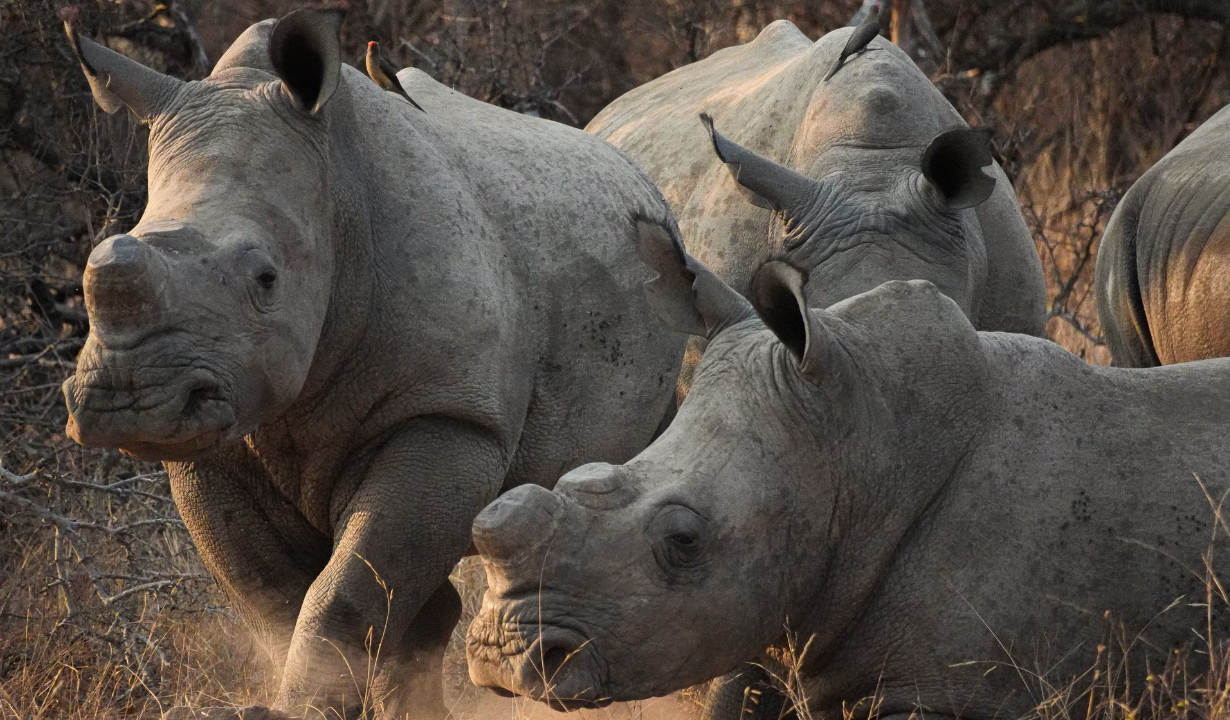
Rhinos grazing/FILE
Despite regional success stories, most rhino species remain
endangered or critically endangered.
Black rhinos, classified as critically endangered by the
IUCN Red List, there are only 3,142 mature individuals left. Black rhinos are
often targeted for their horns, and between 1970 and 1990, an estimated 96% of
their population was wiped out due to poaching.
White rhinos are the most numerous of the species, with
roughly 10,080 mature individuals, they are classified as near threatened.
White rhinos, found in South Africa, Kenya, Namibia, and Zimbabwe, face ongoing
threats from poaching, habitat loss, and climate change. Their docile nature
makes them especially vulnerable.
The Northern White rhino subspecies is now functionally
extinct. Only two females — Najin and Fatu — remain, both living under 24-hour
guard at Ol Pejeta Conservancy in Kenya. With no surviving males, natural
reproduction is impossible, though scientists are working on assisted
reproductive technologies to try to save the subspecies.
Greater One-Horned Rhino (Indian Rhino), once nearly extinct
with just 200 individuals, this species has made a remarkable recovery and is
now classified as vulnerable, with more than 2,000 mature individuals. However,
it still faces threats from poaching, habitat encroachment, and genetic
bottlenecks due to population density.
Javan rhino, is considered one of the most endangered
species on Earth, with only 18 mature individuals surviving in a single
protected area in Indonesia. The species faces existential threats from natural
disasters, disease, and habitat degradation.
Sumatran rhino is the smallest and most ancient of the rhino
species, it is also critically endangered, with just 30 mature individuals
surviving in fragmented populations. Conservation is made difficult due to
their isolation, low birth rates, and ongoing poaching.
World Rhino Day is more than an annual observance — it’s a symbol
of both loss and perseverance. It is a reminder of what’s at stake if we allow
wildlife to perish and what’s possible when nations, communities, scientists,
and citizens rally together.
This year’s celebration is as much about mourning the
species almost lost as it is about championing the victories won.
The day is also a powerful call to action. Conservation
needs funding, political will, and public support.
This is premium content
Subscribe to Continue Reading
Help us continue bringing you unbiased news, in-depth investigations, and diverse perspectives. Your subscription keeps our mission alive and empowers us to provide high-quality, trustworthy journalism. Join us today to make a difference!