Lawmakers are probing why Sh1.8 billion remains locked in foreign missions’ accounts
years after its allocation for development and embassy operations.
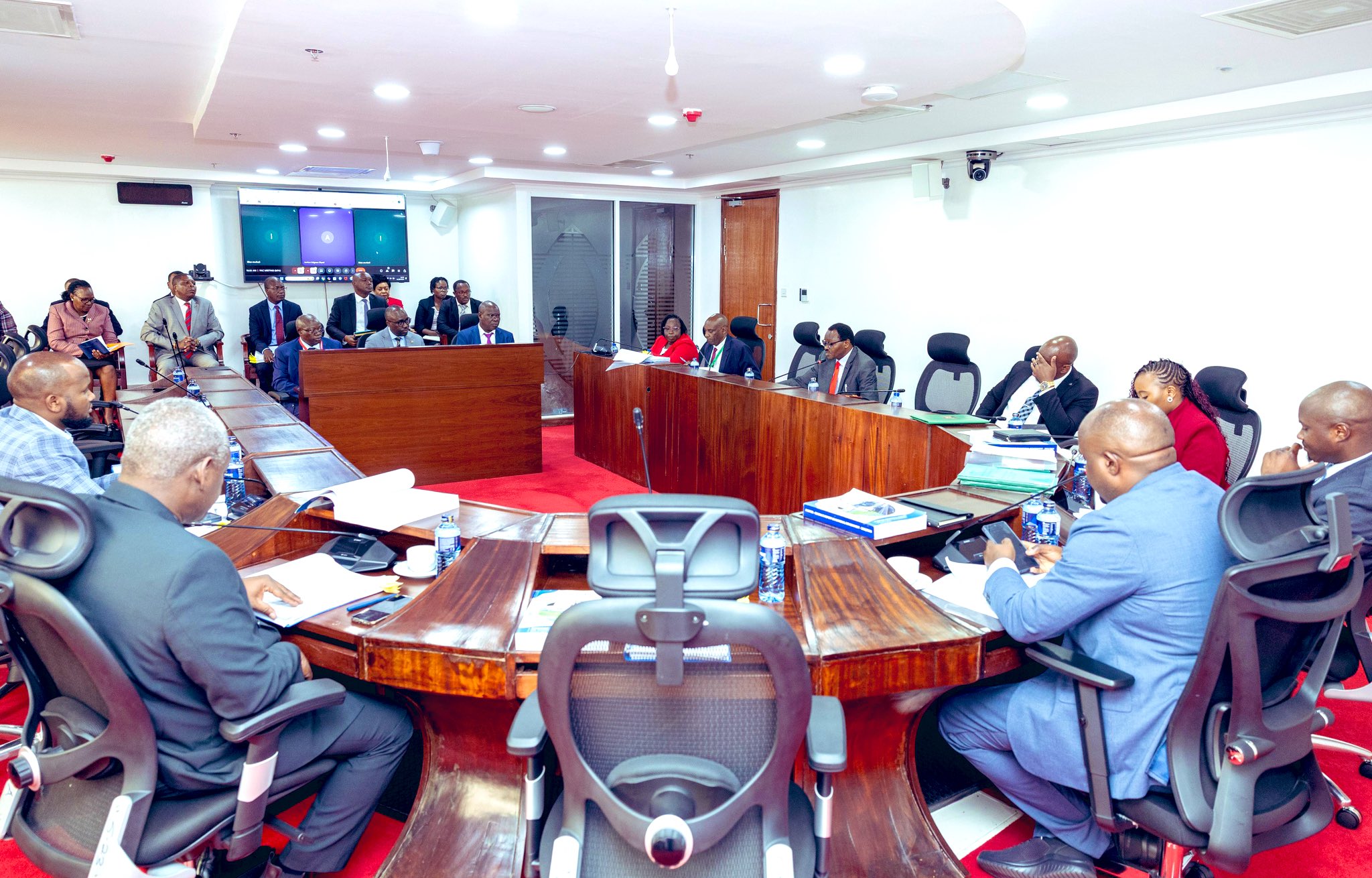
The Public Accounts Committee (PAC) is scrutinising
funds held in Kenya’s embassies in Washington, Addis Ababa and London.
The query arose during a review of the State Department
for Foreign Affairs' audited accounts for the year ending June 2023 by PAC, chaired by Butere MP Tindi Mwale.
Auditor General Nancy Gathungu questioned the handling
of Sh1.8 billion recorded
as development cash book balances abroad.
She said the funds accumulated over the years due to the
ministry’s failure to surrender unutilised allocations at each financial year’s
close.
In a submission to MPs, Foreign Affairs PS Korir Sing’Oei defended the funds, stating they are cash flow
balances for ongoing projects, not idle money.
He explained in the brief obtained by the Star that the Sh1.8 billion was set aside for
specific purposes tied to mission operations.
“In Washington, DC, the balance includes contractors’
retention monies for certified works, pending the defects liability period, and
allocations for ongoing refurbishments,” Sing’Oei said.
“These funds will be transferred to deposit accounts and
released directly, hence no need to factor them into the current budget” the PS
explained.
The bulk of the funds is earmarked for purchasing a
chancery in London.
Sing’Oei said while the property was identified
and procurement finalised, the funds couldn’t be spent pending the Attorney
General’s clearance to hire a conveyancing lawyer.
“Since the process was advanced, funds were retained in
the mission’s deposit account awaiting the sale agreement’s execution,” he
argued.
The PS acknowledged some missions failed to transfer
development balances to deposit accounts on time but assured MPs the funds are
secure and aligned with development priorities, dismissing mismanagement
concerns.
Legislators, however, accused the ministry of failing to
account for the funds, raising alarms over financial discipline and diplomatic
projects.
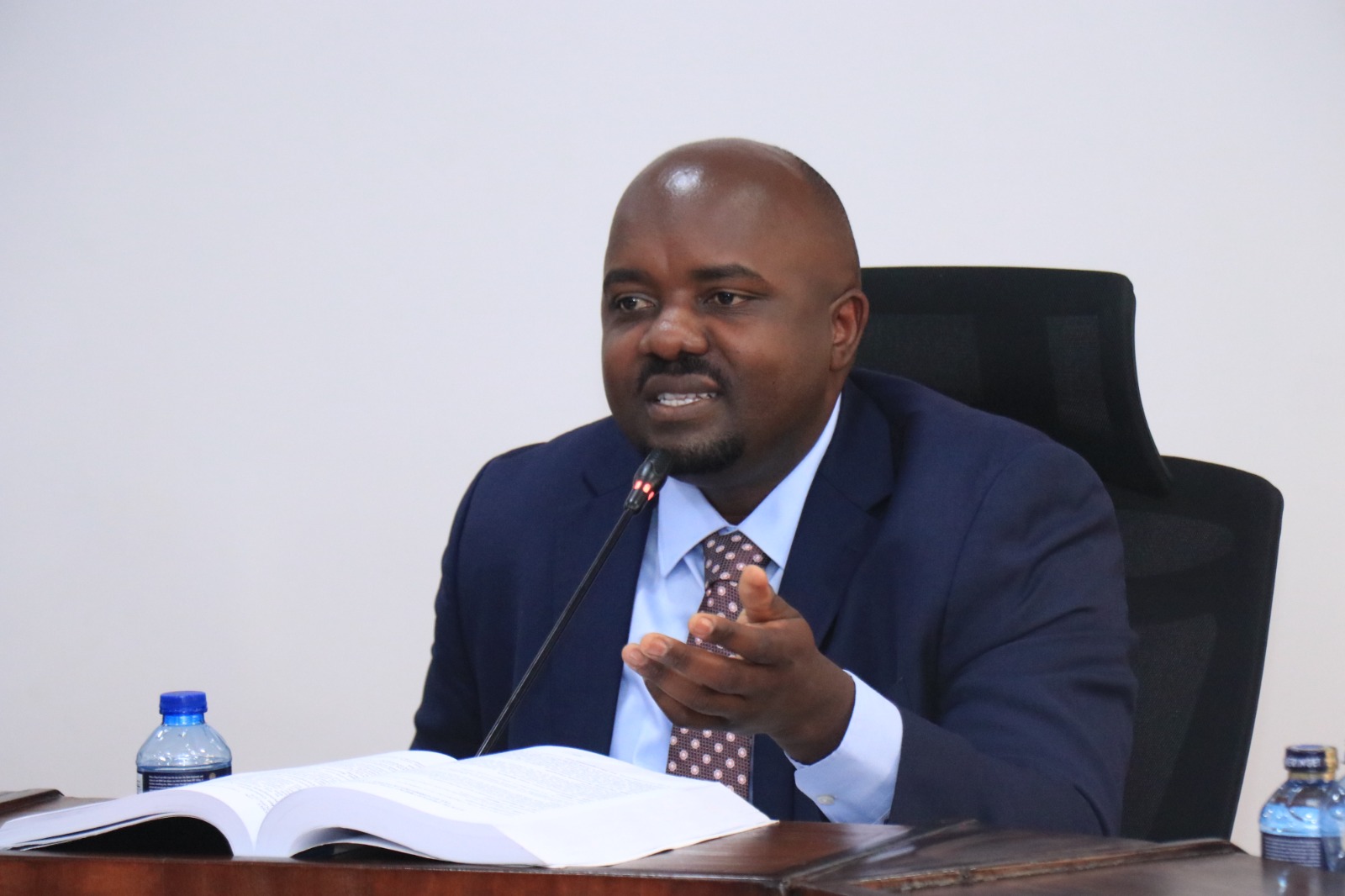
“What is the difficulty in apportioning this figure? How
do we establish how much is tied to Washington, Addis Ababa, or London?” asked
Bura MP Yaqub Adow.
Aldai MP Marianne Kitany demanded more light on the
London chancery procurement, seeking evidence of the contract’s signing, terms and closure.
MPs want evidence showing when the contract was signed,
its terms and when it ended.
“Does it mean the procurement was undertaken without
legal representation initially?” she asked.
Rarieda MP Otiende Amollo expressed concern over the
prolonged delay in purchasing the London chancery despite funds being allocated
years ago.
PAC first flagged the matter after discovering the
mission operated on an expired lease.
Amollo explained that while no legal input was needed
during procurement, conveyancing, but was quick to note that, being a foreign
jurisdiction, a local UK practitioner was needed.
“In Kenya, it could be handled internally, but abroad, a
conveyancing lawyer is necessary,” he added.
On the balances carried forward to the new financial
year, Sing’Oei cited Regulation 56 of the Public Finance Management
Regulations, which empowers accounting officers to retain resources for
multi-year contracts without returning funds to the Treasury.
The PS insisted that it was the reason why some of the
money is still being held in various accounts. “We are permitted to hold
deposits beyond a financial year where resources cannot be fully utilised in
one year,” he said.
The PS dismissed claims the Attorney General’s
office caused delays, stating the matter now rests with the National Treasury.
He revealed two separate purchase attempts: the first
under the previous administration collapsed due to lapsed AG consent, while the
second, under the new administration, has all necessary AG approvals.
INSTANT ANALYSIS
The substantial idle funds reflect poor financial
planning and inter-agency coordination, particularly between Foreign Affairs,
the Treasury, and the Attorney General’s office. While regulations permit
holding funds for multi-year projects, the prolonged delay in a critical purchase
like the London chancery, amid operational lease expiry, signals a failure in
strategic execution. The ministry’s defensiveness and MPs’ scrutiny underscore the
accountability deficit and the need for tighter oversight to ensure diplomatic
investments align with national interests without financial wastage.