In Kenya and around the world, suicide
remains one of the most urgent and under-acknowledged public health issues, also
deeply entangled with human rights concerns.
Despite increasing awareness,
stigma, misinformation and lack of access to psychosocial support continue to
claim lives that could otherwise be saved.
A hidden crisis
The World Health Organization (WHO)
estimates that over 700,000 people die by suicide every year globally, more
than are killed by war and homicide combined.
In Kenya, the situation is equally
troubling, with the Kenya National Bureau of Statistics reporting a steady rise
in suicide-related deaths, particularly among youth and working-age adults.
Oluoch warns that suicide is often
preceded by subtle changes in behaviour, with some easily missed and others
tragically normalised.
“Warning
signs start before physical attempts,”
Oluoch explains.
“If
someone was outgoing, they may suddenly withdraw from friends and family. If
they were active online, you might notice them deleting photos, closing their
accounts, or using dark, fatalistic language.”
The language of despair
Verbal cues are among the most
overlooked red flags. Oluoch says that conversations around death, hopelessness
or being a burden should never be brushed off.
“Suicide
starts in the mind, through thoughts that become words,” he emphasises.
“If
someone says they feel hopeless, like life is meaningless, or like a burden, those
are not just feelings. Those are serious risks. That is the first step toward
actualising suicide.”
Indeed, studies show that people
often give verbal or behavioural clues before attempting suicide.
Yet friends, families and communities
often fail to pick up on them or do not know how to respond when they do.
Overlooked signs and everyday misunderstandings
One common misunderstanding,
according to Oluoch, is the assumption that withdrawal, silence or isolation is
"just part of life", especially in a tough economy or after personal
hardship.
He, however, warns that these
behaviours can often signal something far deeper.
“We
normalise withdrawal as someone just needing space. But if someone was
attending work or school regularly and suddenly stops, shows up late or starts
avoiding others, that is a change worth noticing,” he says.
“The same
goes for grooming. A teenager not bathing or doing homework is not always lazy.
It might be depression.”
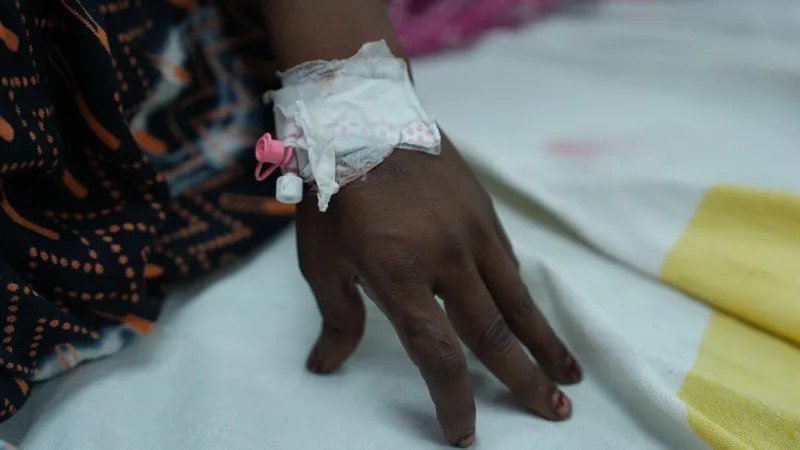
Oluoch adds that “the skin speaks”,
warning that visible physical signs like cuts on the wrists, burn marks or
needle pricks are also frequently missed or excused as accidents, especially by
those who do not know the person well.
Substance use as a coping mechanism
Oluoch points out that substance
abuse is another indicator that mental health is deteriorating, especially when
there is an increase in usage or a new substance is introduced.
“You will
see someone who maybe drank occasionally now drinking excessively, or starting
to use drugs altogether. That is not just substance use; it is an escape,” Oluoch says.
“It can
be a sign of deeper mental illness; depression, bipolar, other mood disorders
or schizoaffective disorders, all of which raise suicide risk if left
untreated.”
Different faces, same pain: Teens vs
adults
While the signs of suicide can vary
slightly by age, the root causes are often similar: emotional pain, isolation
and untreated mental illness.
For teenagers, signs may include
skipping school, poor grooming, changes in academic performance or social
withdrawal.
For adults, red flags include
failing to meet parenting or work responsibilities, substance abuse, chronic
fatigue or disconnection from usual activities.
“The skin
speaks. The behaviour speaks. The language changes,” says Oluoch.
“You
just have to be close enough to notice.”
The human right to mental health
The Constitution of Kenya recognises
the right to the highest attainable standard of health, which includes mental
health care.
The Mental Health Act and Kenya’s National Suicide Prevention Strategy are steps forward, with a need for stronger implementation.
Many communities still lack access
to affordable, stigma-free counselling. And in some cases, people expressing suicidal
thoughts are criminalised under outdated laws, further silencing them.
This is, however, being corrected, with the decriminalisation of suicide.
On January 9, 2025, High Court Judge
Lawrence Mugambi declared that Section 226 of the Penal Code, which makes
suicide a criminal offence, is unconstitutional.
The criminalisation of suicide in
many countries is a legacy of the colonial era. Section 226 punished
individuals for “attempting suicide” with up to two years in prison.
It was found to violate
constitutional guarantees of dignity, equality and the right to the highest
attainable standard of health
How to respond: What you can do
If someone in your life is showing
warning signs, Oluoch says your presence alone can make a difference.
“Sometimes,
the most powerful thing is to just be there. Listen without judgment. Help with
daily routines if they are struggling,” he says.
“If their
room is unkempt, they are not eating, they are sleeping all day; these are
signs.”
Oluoch
also advocates for a listening ear, noting that sometimes, people need only to
talk in a safe space and heal.
Offering to link them with a
counsellor or mental health service is also key.
And while asking "Are you suicidal?" might
feel direct, Oluoch advises against it unless you are trained in crisis
intervention.
“I advise
against it. That question can be a trigger. Instead, read the signs and respond
with support. Ask how they are feeling. Be present. Guide them to professional
help,” he says.
What institutions can do
Oluoch urges schools and workplaces
to go beyond surface-level support.
He advocates for having dedicated,
trained psychologists, not just teachers or HR personnel doubling as
counsellors.
“Schools
need full-time psychologists who can assess and counsel students. Having a teacher
who doubles as a counsellor. Those roles can be conflicting,” he says.
Oluoch, who has worked with
students, says sometimes, behaviours leading to suspension or expulsion come
about from underlying issues, some psychosocial issues.
“Workplaces should link with mental health
professionals who offer confidential services. Most of the pressure people
face, burnout, personal issues, does not go away just because someone shows up
at work.”
Hope through understanding
At its core, preventing suicide is
about recognising human suffering, not ignoring it.
Oluoch advises against stigmatisation,
advocating for acting with compassion and understanding before it is too late.
If you or someone you know is
struggling with suicidal thoughts, please reach out for help:
- Kenya Red Cross Mental Health
Support Line: 1199 (Free)
- Befrienders Kenya: +254 722 178 177
- Mathari National Teaching and Referral Hospital: 0713699715
- Chat with “Tu Ongee” on Telegram
- Your nearest hospital or
mental health facility