Biobank: Inside Kemri’s new DNA library for Kenyan tribes
They explained that their work could change how the criminal justice system uses DNA
by JOHN MUCHANGI
Audio By Vocalize
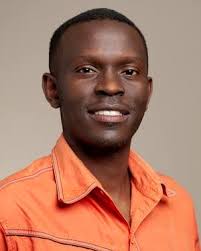
The DNA project, led by senior research scientist at Kemri Eva Aluvaala-Nambati, has been ongoing for the last four years but has now published its first results.
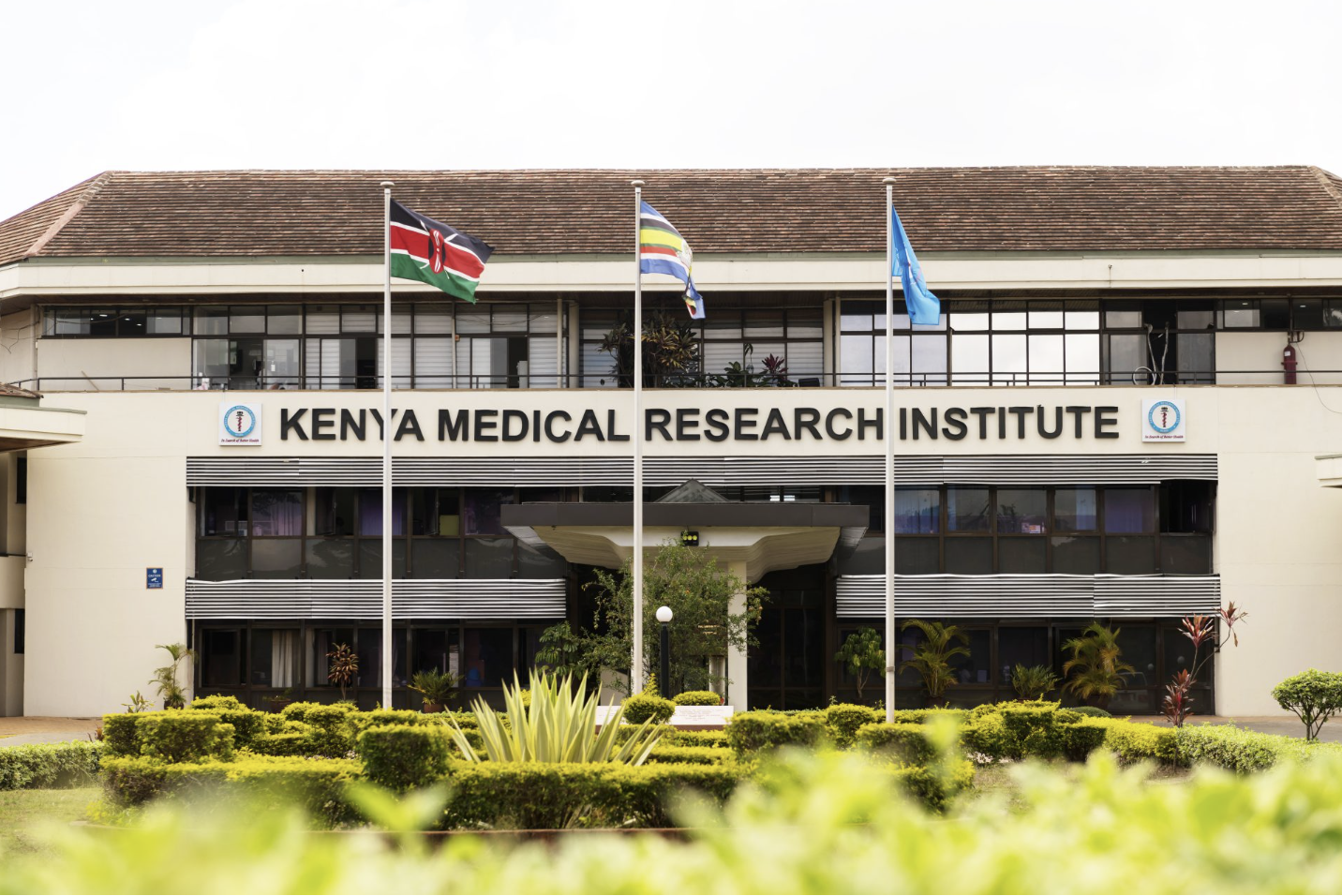
Researchers at the Kenya Medical Research Institute (Kemri),
have created the most comprehensive genetic data of Kenyan tribes available
today, known as a forensic biobank.
Scientists hope this data will one day help solve crimes,
settle family mysteries and disputes, and even tell us more about where Kenyans
came from.
"The data set comprises 60.8 per cent Bantu, 24.9 per
cent Nilotic, and 14.3 per cent Cushitic samples closely mirroring current
population structure in Kenya. The samples are currently stored in duplicate as
FTA cards and extracted DNA," the Kemri scientists said. FTA card is a
chemically treated filter paper designed for the collection, preservation and
shipment of biological samples.
The project, led by senior research scientist at Kemri Eva
Aluvaala-Nambati, has been ongoing for the last four years but has now
published its first results.
The scientists explained that their work could change how
the justice system uses DNA, the genetic code of life.
If DNA is found at a crime scene today, investigators often
compare it with international databases. The problem is that most of those
databases are built from European or Asian populations. African data makes up
only a tiny fraction (about five per cent).
“There is a need to
generate updated and comprehensive genetic frequency data for the Kenyan
population in compliance with ethical standards,” Nambati and her colleagues
said. This will make the work of investigators much easier because they can
immediately know the tribe of a suspect.
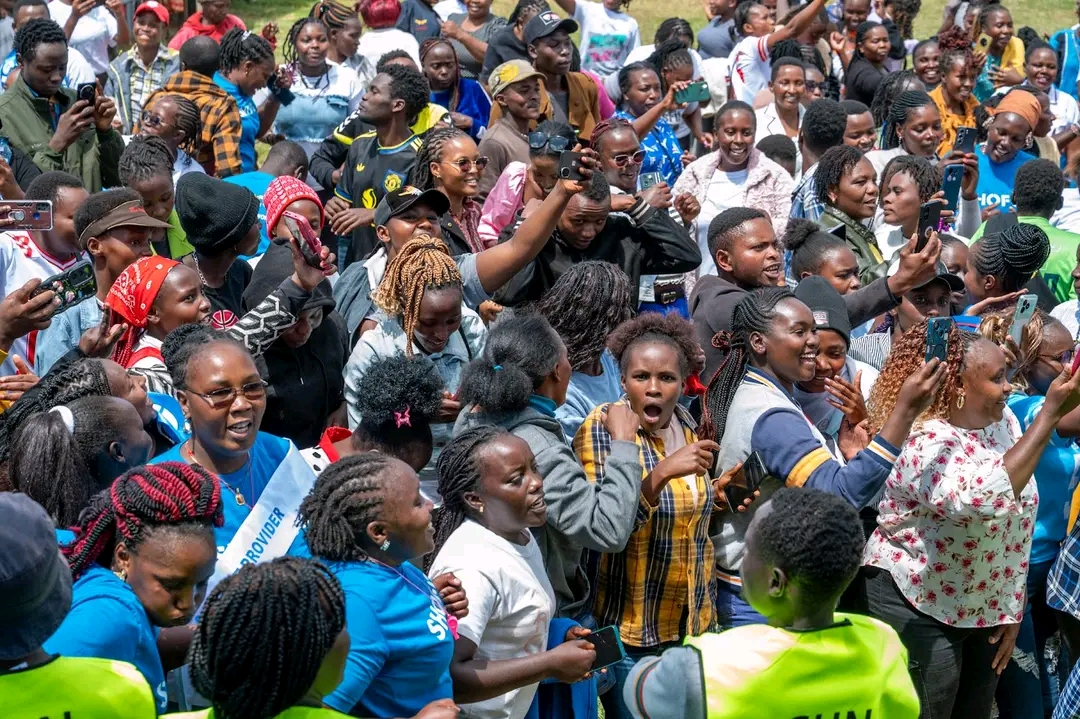
Nearly 900 volunteers from the Bantu, Nilotic, and Cushitic
groups gave samples for the project.
The volunteers included farmers, teachers, traders, and
students. Some had little formal schooling, others held university degrees.
Ages ranged from 17 to over 90.
The researchers stress that participation was voluntary and
no one was paid. "During the consenting process, the risks, benefits and
rights of the participant were explained," they noted.
This careful approach matters because in the past, genetic
research in Africa was sometimes done without proper consent or respect for
communities.
The researchers said they rubbed sterile swabs (like cotton
buds) gently inside each person’s mouth to pick up cells from the cheek. The
cells were then transferred onto special storage cards and processed in the
lab.
To test the system, the team sequenced 132 samples from the
coastal region. They looked at mitochondrial DNA, the part of our genes passed
down from mothers.
They have published their findings in the Forensic Science
International: Synergy, in a paper titled, “Forensic biobank; towards
comprehensive forensic genetic frequency database for the Kenyan population.”
What they found was a rich mix of genetic lineages called
haplogroups.
Think of haplogroups as branches on the family tree of
humankind. Each one traces back thousands of years to an ancient ancestor. In
Kenya’s coast, the researchers discovered haplogroups L3, L0, L2, L1, L4, M,
L5, and N.
The most common was L3, which appeared in half of the people
studied. Half of these coastal volunteers share a maternal lineage that
connects directly to the great migrations of humans out of Africa. Scientists
around the world recognise haplogroup L3 as the starting point for all people who
live outside Africa today.
Other haplogroups also told their own stories. Haplogroup
L0, found in about 21 per cent of the coastal samples, is one of the oldest
maternal lines in the world, with deep roots in sub-Saharan Africa. L2 and L1
are also widespread in African communities. Haplogroups M and N are rare on the
continent but appear in East Africa, likely because of centuries of movement
and trade across the Indian Ocean.
The team identified a total of 57 unique sub-haplogroups
(smaller branches of these lineages). That level of detail shows just how
diverse Kenyans are, even within a single region.
They said the immediate use is for crime investigation. When
DNA is found at a crime scene, investigators will easily know from which part
of Kenya or tribe the suspect likely comes from. That makes justice stronger
and fairer.
“The biobank is positioned to provide research samples that
can be used in generating an inclusive population-specific forensic genetic
frequency reference database for the Kenyan population,” said the authors, who
included two from the University of Nairobi and Moi University.
The biobank could also help in identifying disaster victims,
tracing missing persons, or uncovering family ancestry. Scientists can use it
to study how different communities are related and how people moved across
regions over centuries. With new technology, the biobank may even be used to
predict someone’s biogeographical ancestry, whether their roots lie along the
coast, in the Rift Valley, or beyond Kenya’s borders.
For instance, in 2023, Kenyan anthropologist Prof Chapurukha
Kusimba dug centuries-old graves at the coast and extracted DNA to establish
that the Swahili people are originally African.
The findings rubbished stories by Western archaeologists who
emphasised the connections of the medieval Swahili to Persia and Arabia,
suggesting that impressive achievements by the Swahili could not have been
attained by Africans.
Kemri’s project also plugs a hole in global science. At the
moment, African genetic data is badly underrepresented in international
databases like the Mitochondrial DNA Population Database (EMPOP) and the
Y-chromosome Haplotype Reference Database (YHRD). In EMPOP, for example, only
about 5.7 per cent of data comes from Africa.
The authors said the focus is on expanding the biobank to
build a comprehensive DNA library that captures the true diversity of Kenya’s
47 ethnic groups.
“The current size of the biobank can be increased to have
larger data sets. Larger data sets can in future be used for fine-scale genetic
studies that can potentially contribute to the development of predictive models
for the prediction of biogeographical ancestry in Kenya,” they said.
The other authors are Kemri’s Diana Maritim, Belinda Azzam,
Ngure Kirosh, Luna Kamau, Solomon MpokeLewis Karani, Martin Sang, Abdiaziz
Gosar, Olipher Makwaga, Lydia Eyase, Herzel Tiffany Wandera, Sharon Ariga,
James Nyabera, Milka Mwangi, Francis Kimani, and Wallace Bulimo. Others are
Edward Muge of the UoN and Winfrida Cheriro of Moi University.
This is premium content
Subscribe to Continue Reading
Help us continue bringing you unbiased news, in-depth investigations, and diverse perspectives. Your subscription keeps our mission alive and empowers us to provide high-quality, trustworthy journalism. Join us today to make a difference!

 The DNA project, led by senior research scientist at Kemri Eva Aluvaala-Nambati, has been ongoing for the last four years but has now published its first results.