Why reality check awaits firebrand anti-Ruto, Raila team
The youthful leaders drawn from across the political divide have been rolling out countrywide political meetings.
by LUKE AWICH
Audio By Vocalize
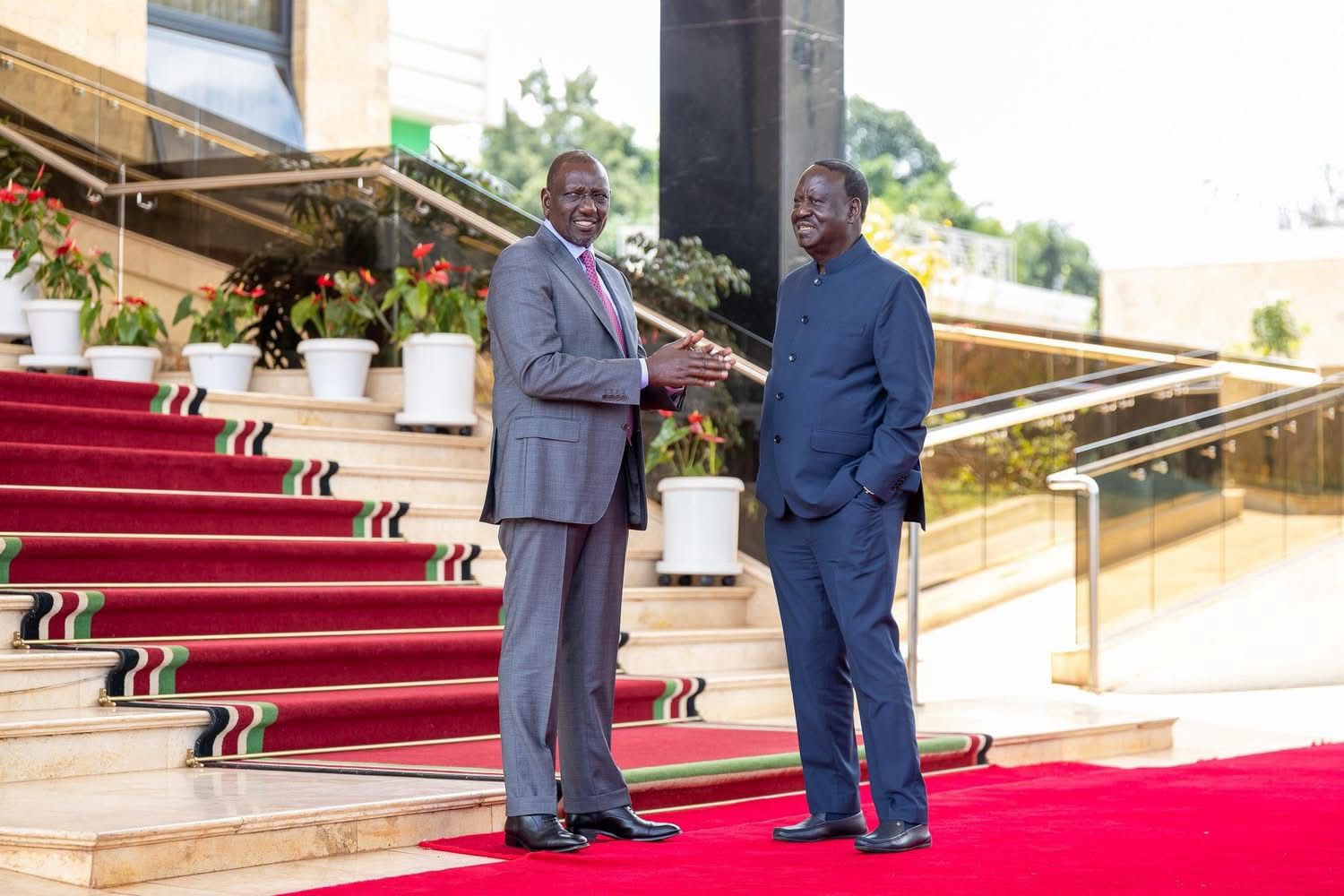
President William Ruto and ODM Leader Raila Odinga at State House, Nairobi, on Tuesday, August 26, 2025.
THE reality of Kenyan politics could soon hit hard the firebrand youthful
leaders threatening to take on the old guard, as they spearhead what they call
“generational change politics.”
Buoyed by an unprecedented clamour for good governance from Gen Z, the youthful
leaders drawn from across the political divide have been rolling out
countrywide political meetings.
The Star has established that this weekend the team will be in Busia county.
However, analysts warn that realpolitik could soon scatter the group even before
the 2027 polls.
First, there is doubt as to whether the team can survive without their
political godfathers.
Some members are known to sit in the kitchen cabinets of prominent
opposition figures, fueling skepticism about their true commitment to the new cause.
Critics believe their endgame is to convince the entire grouping to eventually
align with the opposition through their patrons. Some members of the Kenya Moja
movement are closely tied to powerful figures.
For instance, Kitutu Chache South MP Antony Kibagendi and Kitutu Masaba MP
Clive Gisairo are close associates of former Interior CS Fred Matiang’i, while
Githunguri MP Gathoni Wamuchomba is allied to impeached former Deputy President
Rigathi Gachagua.
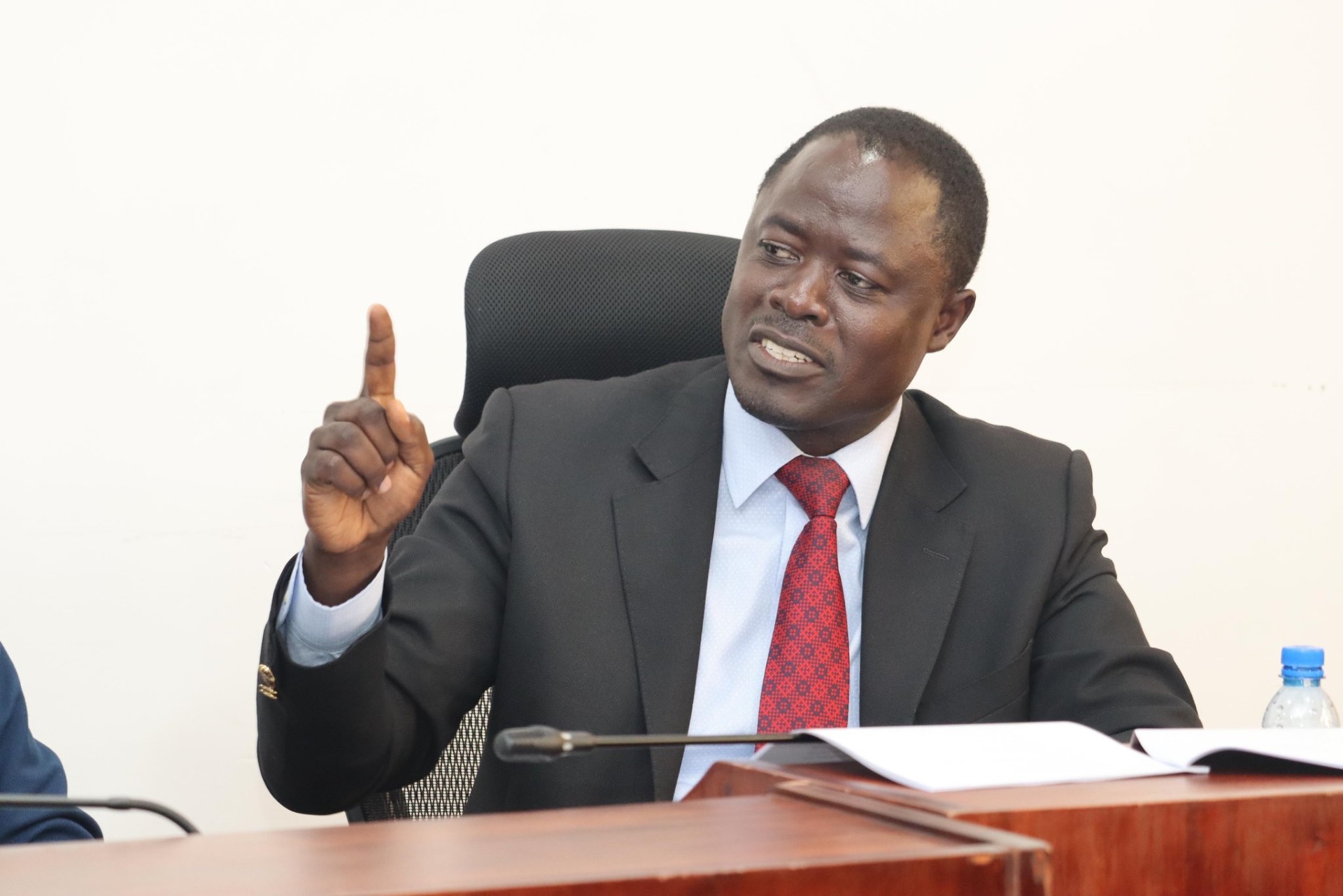
Funyula MP Wilberforce Oundo, an ODM legislator, has often defied his party
line, including voting to save Gachagua when the opposition campaigned to remove
him.
The group also lacks a financial war chest to mount national campaigns.
Kenyan politics has proven to be very cash-intensive, with bigwigs mounting
presidential campaigns operating even seven choppers on a single day.
Hiring a helicopter costs between Sh270,000 to 400,000 per hour, depending on
the distance and type of machine.
While the leaders’ defiance against the broad-based government has won the
group national attention and applause from sections of the public, analysts say
a reality check is fast approaching.
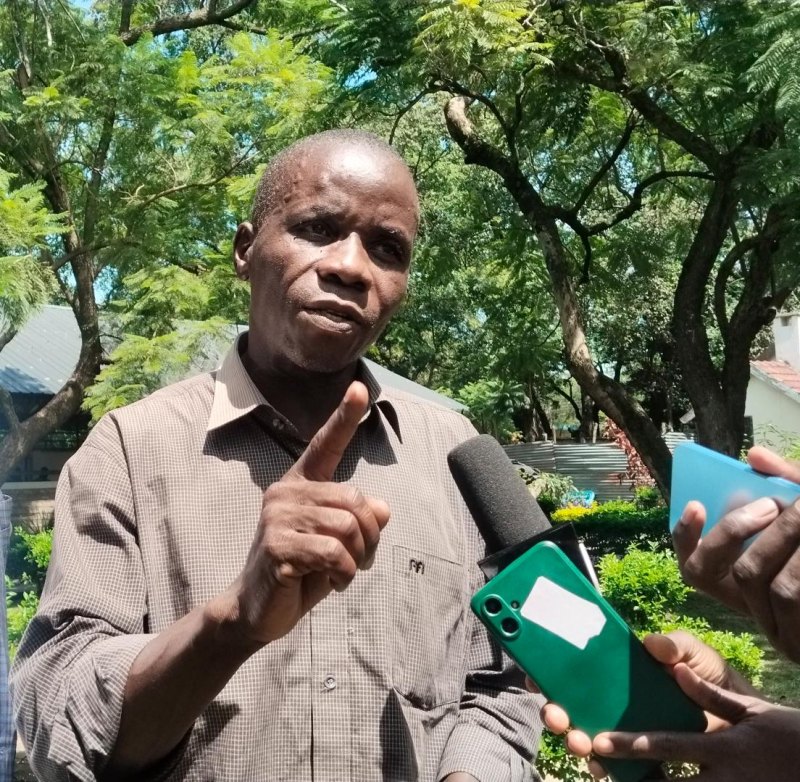
Ex-political detainee Wafula Buke told the Star that survival will demand
painful lessons.
“In that team, we have those who are self-made, who know the science of
rising through the ranks—those ones will be the most important cogs in that
system. They know the science of getting power and keeping it,” Buke said.
“Those who have risen through patronage will now start learning that
disengaging from their bosses exposes them to the challenge of realising it is
not easy to run a national machine. Building a machine is not a joke—it is not
about following. They must work hard to establish grassroots networks.”
The Kenya Moja movement has intensified nationwide engagements, signaling
growing momentum that could see it evolve into a fully fledged political party
ahead of the 2027 elections.
Its leaders include Nairobi Senator Edwin Sifuna, MPs Antony Kibagendi
(Kitutu Chache South), Babu Owino (Embakasi East), Gathoni Wamuchomba
(Githunguri), Caleb Amisi (Saboti), Obadiah Barongo (Bomachoge Borabu), Clive
Gisairo (Kitutu Masaba), Joshua Kimilu (Kaiti), and Wilberforce Oundo
(Funyula).
Buke argues that Kenyan politics is still heavily anchored on patronage
networks, and without the backing of established party leaders, many of the
rebels risk losing ground as the elections draw near.
“I think they have a chance. That opportunity is not outside them, because
the so-called Gen Z lacks leadership. If they are lucky enough to connect with
them and be the agents of their vision, then they will be inheriting an
existing organ that can make up their deficit,” Buke said.
“If they don’t connect, they will have the burden of starting from scratch.”
Veteran activist Suba Churchill warned Kenya Moja against overreliance on
the Gen Z vote.
“There is this wishful thinking that the youths are tribe-less, leaderless
and that come 2027 they will vote for people closer to their generation. That
is part of what is misleading the so-called Kenya Moja,” Suba said.
“If Kenya Moja is founded on that kind of wishful thinking, then they will
be in for a rude shock.”
He added: “Those young people, despite the remarkable progress they have achieved
holding government to account, will in 2027 operate like any other child in a
polygamous family—retreating to the house of their mother when dusk sets in.”
This means leaders such as Babu Owino and Edwin Sifuna will have to face
voters alone should they break from ODM, without the political cover of Raila
Odinga.
Babu, for instance, is expected to face incumbent Johnson Sakaja in the
Nairobi governor’s race alongside Embakasi North MP James Gakuya and former
Governor Evans Kidero.
Analysts warn ethnic arithmetic will likely play a defining role in the
outcome.
Still, Kenya Moja’s organisers insist they are laying the foundation for a
broad-based movement that could redefine the political landscape.
“Our end game is to have a better Kenya, where everybody feels they belong,
where families can live in decency, and where everyone has the right to express
their opinion without being killed, maimed, or abducted; a better Kenya where
we respect and uphold the constitution and human rights,” Oundo told the Star.
On transforming into a political party, he said their options are open. “Anything
can have a life of its own. Let it metamorphose the way it goes, let it grow
the way it goes. Whatever happens, let it happen,” he said.
Meanwhile, the outfit—known for its anti-government stance—has intensified
consultative forums and grassroots mobilisation across key regions, with
speculation it could evolve into a full-fledged political party.
“They are coming to Funyula on Sunday for a church service and youth
engagements,” Oundo confirmed.
Formed three months ago as a platform for inclusive development and
accountability, Kenya Moja has quickly captured national attention. Youthful
MPs drawn from across the political divide have been rallying citizens in
Nairobi and Western Kenya around what they describe as a “third force” to
challenge entrenched political blocs.
“This is a generational struggle, just like we transitioned from colonialism
to African rule or from apartheid to black leadership. Change is knocking,”
Saboti MP Caleb Amisi said.
This is premium content
Subscribe to Continue Reading
Help us continue bringing you unbiased news, in-depth investigations, and diverse perspectives. Your subscription keeps our mission alive and empowers us to provide high-quality, trustworthy journalism. Join us today to make a difference!