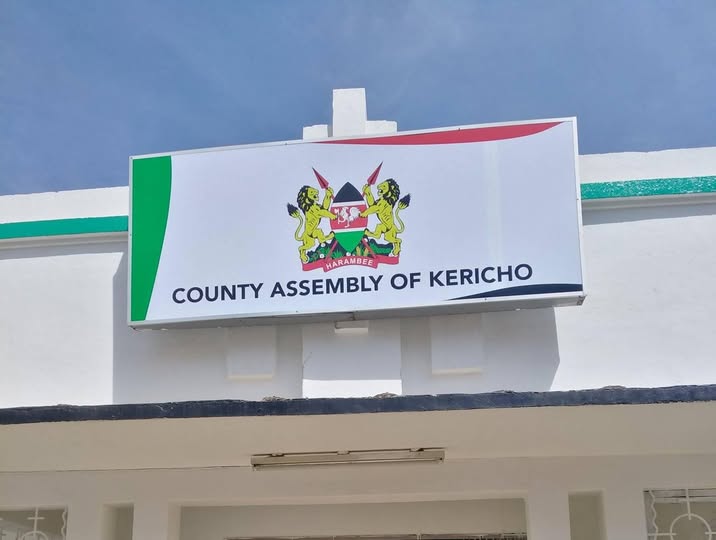
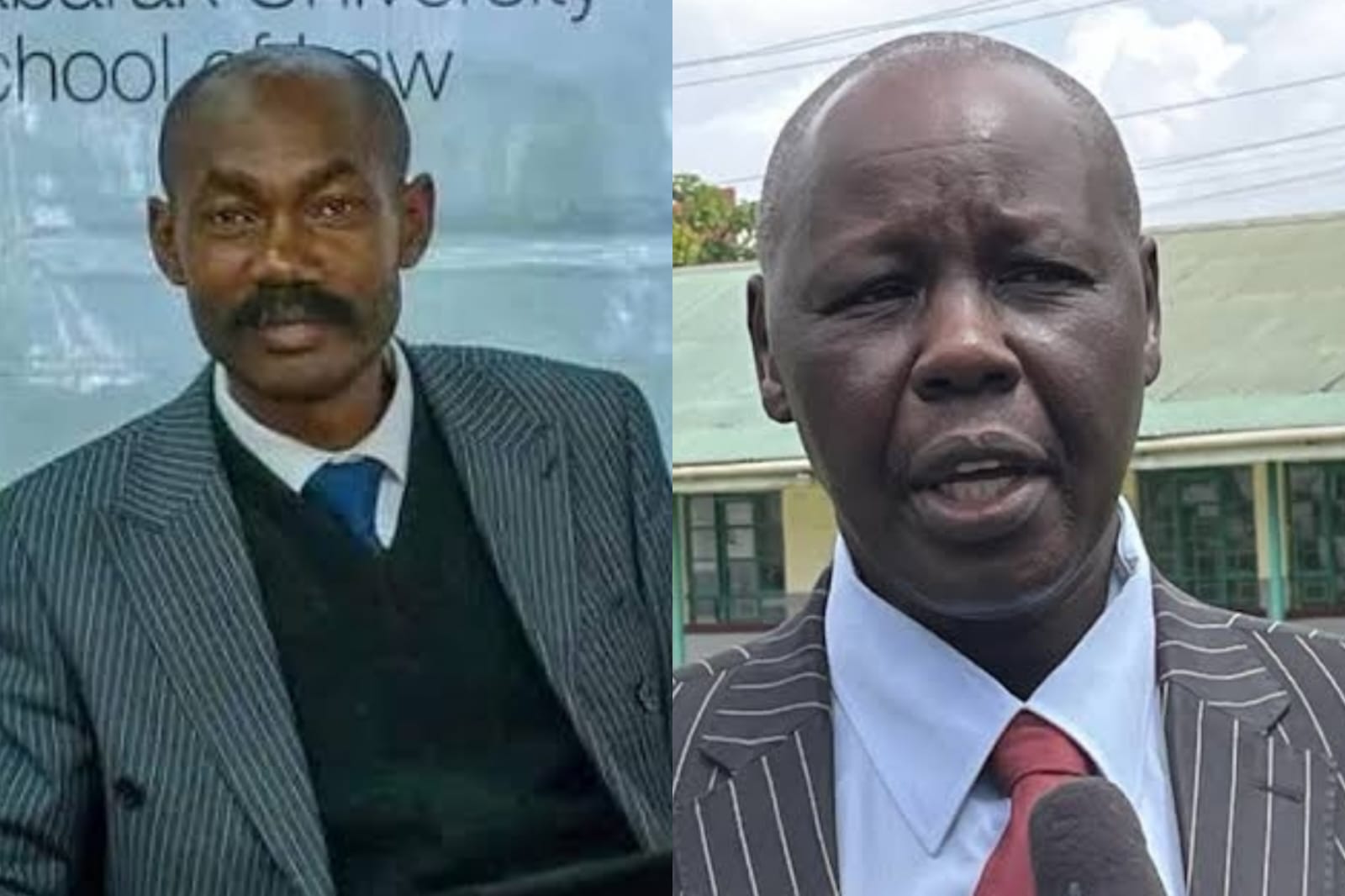
Mutai, accused of gross violation
of the constitution, abuse of office and gross misconduct, has filed three
preliminary objections seeking to have the proceedings dismissed at the onset.
Last October, senators terminated a
similar removal bid against him after agreeing with his objection that the
Kericho county assembly had failed to attain the required two-thirds threshold.
In this new attempt to impeach him,
Mutai has once again fronted three preliminary objections in a bid to convince
the Senate to once again terminate his impeachment at the preliminary stage.
In the preliminary objection filed
with the Senate, the governor argues that court blocked the impeachment at the
county assembly.
“The county assembly should have
declined to consider, debate, and vote on the impeachment motion, considering
that there were court orders made on August 14, 2025, staying/stopping the said
proceedings,” he says in the papers filed in the Senate.
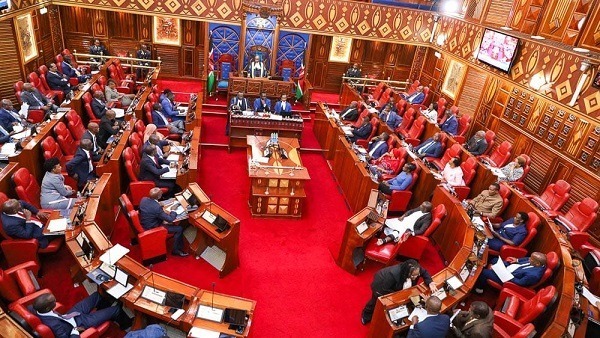
He also argues that the assembly
did not achieve the required numbers to remove him.
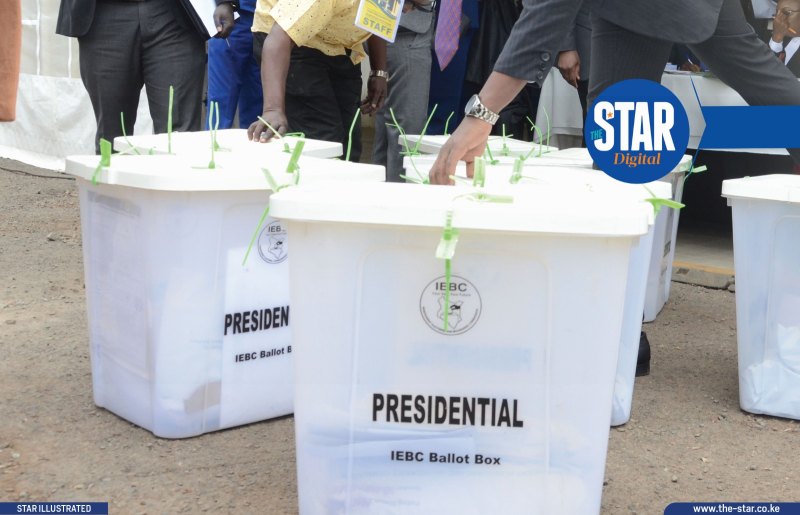
In addition, the authenticity and
credibility of the system the MCAs used when voting to remove him.
“The impeachment motion dated 6th
August 2025 does not meet the threshold required by Section 33 (2) of the
County Government Act, 2012,” he said.
He argues that out of 47 members of
the county assembly of Kericho, 18 members did not vote whatsoever on August 15,
as they were in opposition to the motion.
As such, the maximum voting MCAs
would have been 29 MCAs. The required statutory threshold comprises 32 members
of the county assembly to support the motion. This was not achieved.
According to the governor, the
voting system, infrastructure and framework did not meet the standard of
transparency, accountability and did not have any integrity.
“Consequently, the impeachment motion
dated 6th August 2025 is a nullity in law,” he argues.
Both sides have fielded heavy legal
firepower.
The assembly is represented by 12 lawyers, led by constitutional lawyer Elisha Ongoya alongside Kimutai Bosek,
Sharon Mibey, Elias Mutuma, Hillary Kiplangat and Brian Langat.
Others are Geoffrey Langat, Victor
Kibet, Evans Kiplangat, Elvis Kipkorir, Joel Wakhungu and Vincent Kipronoh.
Mutai, on the other hand, is
defended by five senior lawyers led by Katwa Kigen, joined by Peter Wanyama,
Rose Thiong’o, Doris Ng’eno and Joash Mitei, with a support team of junior
counsels.
They include Brian Lee Maingi, Ian
Kiplangat, Mitchelle Mutuma and Japheth Koech.
The hearing started on Wednesday
with a one-hour closed-door session, after which charges were read out for
Mutai to plead.
The floor was then opened for
preliminary objections before formal submissions.
Under the charge of gross violation
of the constitution and misuse of county funds, Mutai is accused of authorising
fictitious payments worth Sh85.7 million for undelivered goods, inflated
contracts and incomplete works.
Among the irregular claims were the
supposed maintenance of 15 residential houses, overpriced supplies and
agricultural inputs that never reached farmers.
He is further charged with
contravening procurement laws by splitting contracts, neglecting to conduct
market surveys and paying suppliers in advance despite Kericho county accumulating
pending bills of Sh1.1 billion.
The petition also accuses the
governor of diverting more than Sh325 million meant for the national
agricultural value chain project, with only 19 out of 30 wards benefiting, and
many farmers receiving substandard inputs.
Similarly, under the Financing
Locally-Led Climate Action initiative, it is alleged that projects were
distributed unfairly, with his home ward of Chemosot receiving a
disproportionate Sh21.7 million.
Mutai is further accused of
irregularly launching the “Equaliser Kazi Mtaani” initiative in August 2024
without assembly or Controller of Budget approval.
This, according to the charge, led
to the loss of Sh39 million, and misuse of funds meant for strategic projects,
such as paying Sh8.5 million for the upgrade of Kunyak dispensary despite no
work being done.
Additionally, he allegedly forced
county executives to divert departmental funds for personal use, misused
emergency funds meant for victims of the Londiani accident and presided over
irregular tender awards.
The governor is further accused of
mismanaging funds raised for the victims of the Londiani junction accident
tragedy, in which more than Sh9 million was allegedly lost.
He is said to have awarded direct
tenders for services during the fundraiser and requiem mass, contrary to
procurement laws and failed to honour commitments to implement the post-tragedy
report.