When Parliament is influenced by inducements or undue Executive
pressure, it risks ceasing to represent the will of the people and instead
becomes a tool for consolidating power. Addressing this requires a combination
of legal, institutional, political, and civic measures.
First, Kenya must strengthen and
enforce anti-bribery laws within Parliament. Existing legislation should be
applied more robustly to deter both the offering and acceptance of bribes by
Members of Parliament (MPs).
The Ethics and Anti-Corruption Commission (EACC)
and the Office of the Director of Public Prosecutions should be empowered to
independently investigate allegations of “vote buying” in the House.
MPs found
culpable should face prosecution, lose their seats, and be disqualified from
holding public office. For instance, Ghana’s Parliament has taken steps to
investigate internal corruption claims. Kenya can draw lessons from such
examples.
Second, parliamentary voting should
be made more transparent. Roll call voting—where individual votes are
recorded—should be mandatory for major legislation, especially on budgetary and
constitutional matters. Publishing voting records online would allow
constituents to track how their MPs vote and hold them accountable.
Third, the president’s patronage
powers need to be curtailed. This includes limiting the appointment of MPs to
Cabinet positions, committee chairmanships, and state corporations as potential
political rewards. Development projects should be guided by transparent
national planning rather than negotiated political favours.
Fourth, Kenya should strengthen
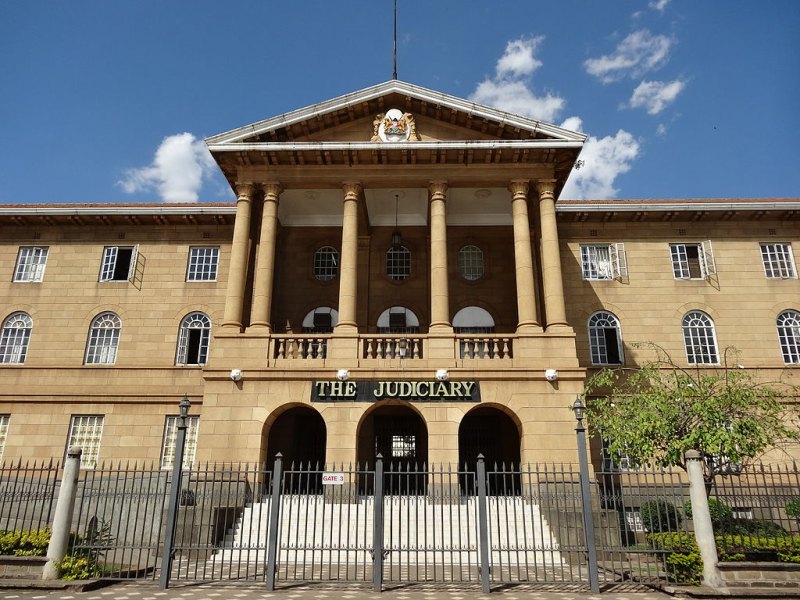
oversight mechanisms. Empower the Ethics and Leadership Tribunal (ELT) and
consider creating a Parliamentary Ethics Tribunal to investigate the conduct of
MPs, including cases of unexplained wealth and conflicts of interest. Such
bodies must operate independently of the Executive and could report to the
Judiciary or an autonomous ethics commission.
Citizen action is also key. Civic
education campaigns can help voters understand that their MP’s primary role is
to legislate and provide oversight—not to directly deliver development
projects. Under Article 118 of the Constitution, citizens have the right to
petition Parliament, attend committee hearings, and demand accountability for
voting patterns. They may also invoke Article 104 to recall MPs who betray
public trust.
Political parties must enforce
internal discipline and uphold democratic principles. They should act against
members involved in unethical legislative conduct or those who abandon party
manifestos for personal gain. This requires strong party constitutions and
ethics codes backed by internal disciplinary tribunals.
Finally, media and civil society
oversight remains crucial. Investigative journalism and active civil society
platforms should continue exposing questionable voting patterns, committee
reports, and allegations of misconduct. Transparency remains one of the
strongest deterrents to corruption.
To build a Parliament that truly
serves the public, Kenya must enforce anti-corruption laws with real
consequences, make voting records public, end patronage politics, and empower
citizens and civil society to hold MPs to account.
The writer is an advocate of the
High Court


![[PHOTOS] Raila Odinga Stadium construction enters home stretch](https://cdn.radioafrica.digital/image/2026/06/45f6990c-4882-4cd2-b83c-8fc730dcdce5.jpg)