The disappearance of blogger Ndiang’ui Kinyagia, whose fate remains unknown, has been a thorny issue for his fellow bloggers, activists and civil society organisations since the matter became public.
This is even as what was reported as ‘armed intruders
surrounded his home and seized his belongings’.
He was last seen 12 days ago, shortly after sharing a
controversial programme for the June 25 anti-government protests.
Ndiang’ui’s whereabouts remain a mystery, despite his family
immediately learning of his disappearance and filing a report at Kinoo
Police Station.
The Law Society of Kenya (LSK) president, Faith Odhiambo, described the incident as an “enforced disappearance” and a “grave violation of
constitutional rights”.
The society then moved to court and filed a habeas corpus
petition together with Ndiang’ui’s family and civil rights groups seeking the
immediate presentation of the missing blogger and activist.
“Eyewitnesses, including his own neighbours, saw the
vehicles. His home was forcibly broken into, and his last communication was
with his mother around 1 pm. that day,” she said.
“This bears all the hallmarks of an enforced disappearance
or unlawful detention… The LSK demands immediate and transparent action from
the authorities to locate him and return him safely.”
Speaking on June 30, DCI Director Mohamed Amin clarified
that while Ndiang’ui is a person of interest in an ongoing investigation, he is
not being held by the National Police Service.
“Ndiang’ui Kinyagia was a person of interest to us after
publishing inflammatory content on social media,” Amin said.
“Our investigations confirmed that the social media account
used to share the posts belonged to him. We profiled him, identified his
residence, and conducted a lawful search at his apartment in Kinoo.”
Amin added that officers recovered several electronic
gadgets believed to be helpful to the investigation, but Ndiang’ui was not found
during the search.
Despite the court directive and public pressure, Amin
reiterated that the government does not have the blogger in custody and urged Ndiang’ui
to present himself to the nearest police station.
“Mine is to confirm to Kenyans that Ndiang’ui is not under
the custody of the National Police Service,” Amin said.
“He is a person of interest to us, and wherever he is, I
would urge that he surrender to the authorities.”
Here’s the timeline of events
·
June 19: He posts a detailed protest itinerary
for the June 25 Gen Z anniversary march that includes prayers, silence for
victims, a march to the State House, and the declaration of a new republic.
·
June 21: His mother calls him at 10am, but his
phone is off. He then responds via WhatsApp, saying he will be offline for about an hour, but at around 1 pm, he goes offline.
·
On the same day, between 2 pm and 9 pm, about 10 Subarus belonging to DCI arrive at his Kinoo home, and the officers break into his house, seize two laptops, two phones, two passports, and a yellow fever
card.
·
They then leave a handwritten inventory on a DCI-branded paper, lock the house and leave with the key, but not before warning
neighbours not to talk about the incident.
·
June 22: The family visits Ndiang'ui's home after
being unable to reach him on the phone, and that is when they learn from neighbours about the DCI
raid
·
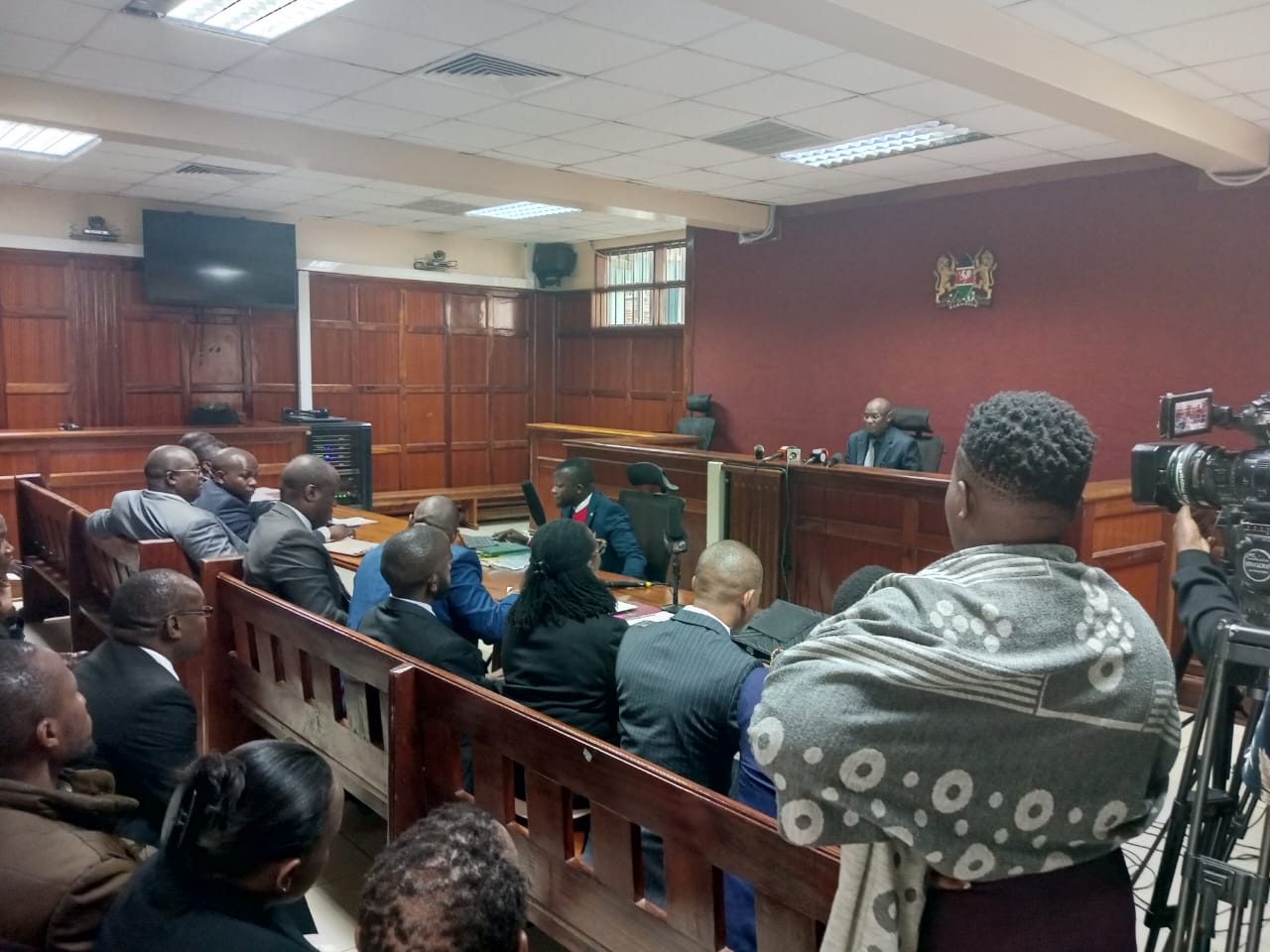
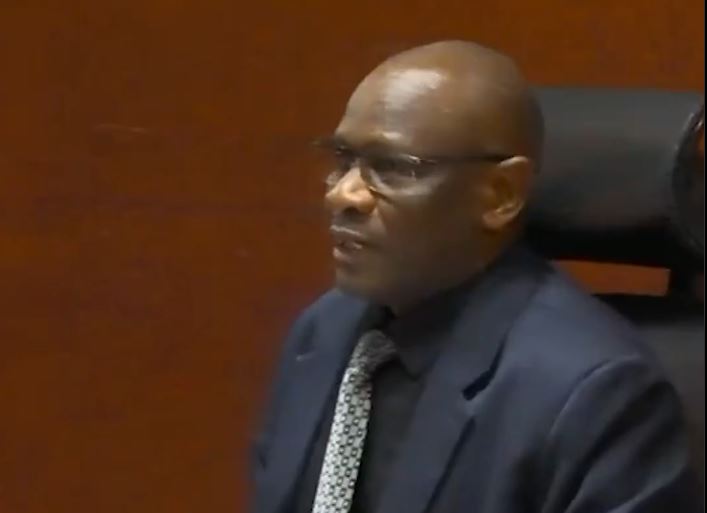
June 30: The family and LSK file a habeas corpus
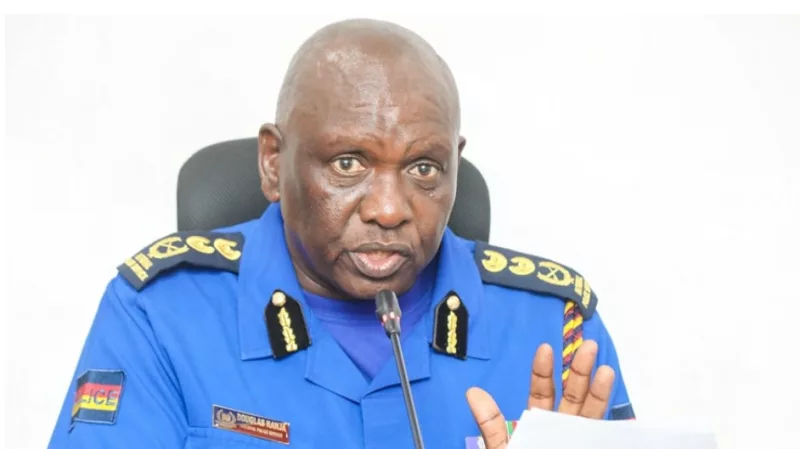
petition, and Justice Chacha Mwita orders IG Douglas Kanja and the DCI to
produce Ndiang’ui in court, giving a deadline of July 1.
·
July 1: In a replying affidavit, Sergeant Samuel
Itegi of the Directorate of Criminal Investigations (DCI) fails to present
him in Court, insists he is not in their custody.
·
Justice Mwita ordered DCI Chief Amin to appear
in person before the court on Thursday, July 3.
Ndiang’ui’s case comes amid a broader surge in enforced
disappearances nationwide.
A May 7, 2025, report by Missing Voices revealed that Kenya
recorded 55 such incidents between January and December 2024—a 450 per cent
increase from the previous year’s 10 cases.
June saw the highest spike with 15 disappearances during
protests against the Finance Bill, followed by 11 in October and seven each in
July and August.


 Bogger and activist Ndiangui Kinyagia.





![[PHOTOS] Linda Mwananchi takes Trans Nzoia by storm](https://cdn.radioafrica.digital/image/2026/07/0d132395-ad4b-4671-867e-880c9f8144f5.webp)