Incidents of
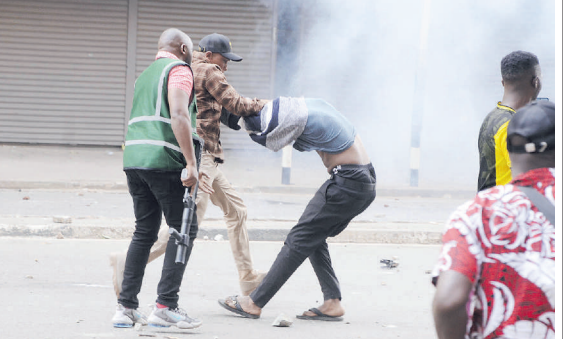
police brutality have increased, with the courts and the Independent Policing
Oversight Authority (Ipoa) currently dealing with at least ten such cases.
So, in the
case that you find yourself in a situation where you are facing police
brutality, here is what to do:
Know
your rights
It is important
to note that the Constitution of Kenya 2010 guarantees protection of your life.
Article 26 guarantees
the right to life and human dignity. This provision obliges the state and its
agents to respect and protect every person’s life, ensuring that no individual
is deprived of life arbitrarily.
Further,
other laws highlight the conduct of the police and in the case that they violate
their mandates, Ipoa is empowered to help bring them into accountability.
The National
Police Service Act, 2011, Section 41 states that police officers may use force
and firearms only to the extent necessary and strictly within the confines of
the law.
The Ipoa Act, 2011; Section 4, provides that the Authority is mandated to receive,
investigate, and report on complaints of police misconduct.
Collect
evidence and document
If you
have been subjected to police brutality and survived the ordeal, be sure to collect
and document any available evidence.
It can be
photos, videos, witnesses or even a P3 form—a legal
document that is produced in court as evidence in cases that involve bodily
harm.
Ipoa’s Regulation
12 outlines the form and content of complaints and mandates you to include the
date, time and place of the occurrence and the nature and extent of sustained
injuries.
You can
also get the contact information of your witnesses.
File complaint
with the Ipoa and human rights agency
Regulations
12 of the Ipoa, Part II, gives the procedure of how to file a complaint and how
the same is handled.
You can
file your complaint to the Authority against the Service or a member of the
Service either orally, in writing, electronically, by sign language or by Braille.
According
to IPOA, you will be required to complete a form detailing the specifics of the
complaint, any documentary evidence, and your contact details.
Ensure that
you give all the details you can remember about the officer, including the name,
rank, and station.
Usually, the
Authority will prioritise matters of death and serious injuries. Other less
serious issues may be forwarded to the Internal Affairs Unit of the National
Police Service.
Here is
how you can contact IPOA: Online: through IPOA’s complaints form on their
website, by phone: toll-free—+254 – +254 792 532 626/627, +254 773 999 000,
+254 772 333 000, +254 780 490 600/601.
By email: [email protected], by mail: Nairobi
1st Ngong Avenue, ACK Garden Annex, P.O. Box 23035–00100, Nairobi,
or in person at IPOA regional or head offices.
You should
also report the incident to the Kenya National Commission on Human Rights
(KNCHR) to ensure that there is a formal record.
Use external
avenues and advocacy
You can
seek assistance from civil society partnerships and human rights organisations.
Their
reports and analytics can feed into IPOA and ODPP databases, enabling
cross-referencing and accountability.
Consider
legal action
As a
victim, you can engage a human rights lawyer and lodge a public interest litigation or a civil suit for damages.
A P3 Form strengthens
your case. Section A of the updated P3 form mandates inclusion of date, time,
nature of injuries, state of clothing, and it’s recognized in court as primary
medical evidence.
You can
make a formal complaint to the Office of the Director of Public Prosecutions
(ODPP) using any of these channels: a letter to the ODPP House, Ragati Road,
Upper Hill or PO Box 30701‑00100, Nairobi, or email [email protected] or [email protected].
You can
use the e-complaints portal or call 020 2186786 or 0734 939048.
Be sure to
give the date, time, and location of the original incident, OB number or reference
number from Ipoa/police; details of what's gone wrong (police delay,
intimidation, lost file), how it’s affecting you (lack of prosecutions,
threats, charges against you) and what resolution you seek (action, protection,
info, reversal).
Monitor
progress and protect yourself
Ensure you
track case updates using the reference numbers given by Internal Affairs or the
IPOA. Remember to be persistent to avoid the delays and inadequate enforcement
that have been recurring challenges in past cases.
When
dealing with IPOA, you can request confidentiality to avoid retaliation from
the officers.
It is also
advisable to safely keep the copies of all documents, correspondences,
photos/videos, and receipts.
Be realistic
and stay safe
Stay safe.
Know your surroundings.
ODPP can
coordinate with the Witness Protection Agency—ask for it explicitly if you feel
at risk
Oversight
bodies often face delays, and retaliation or bribes can occur.
Nonetheless,
documenting every step helps if you take legal action later or need to
escalate.

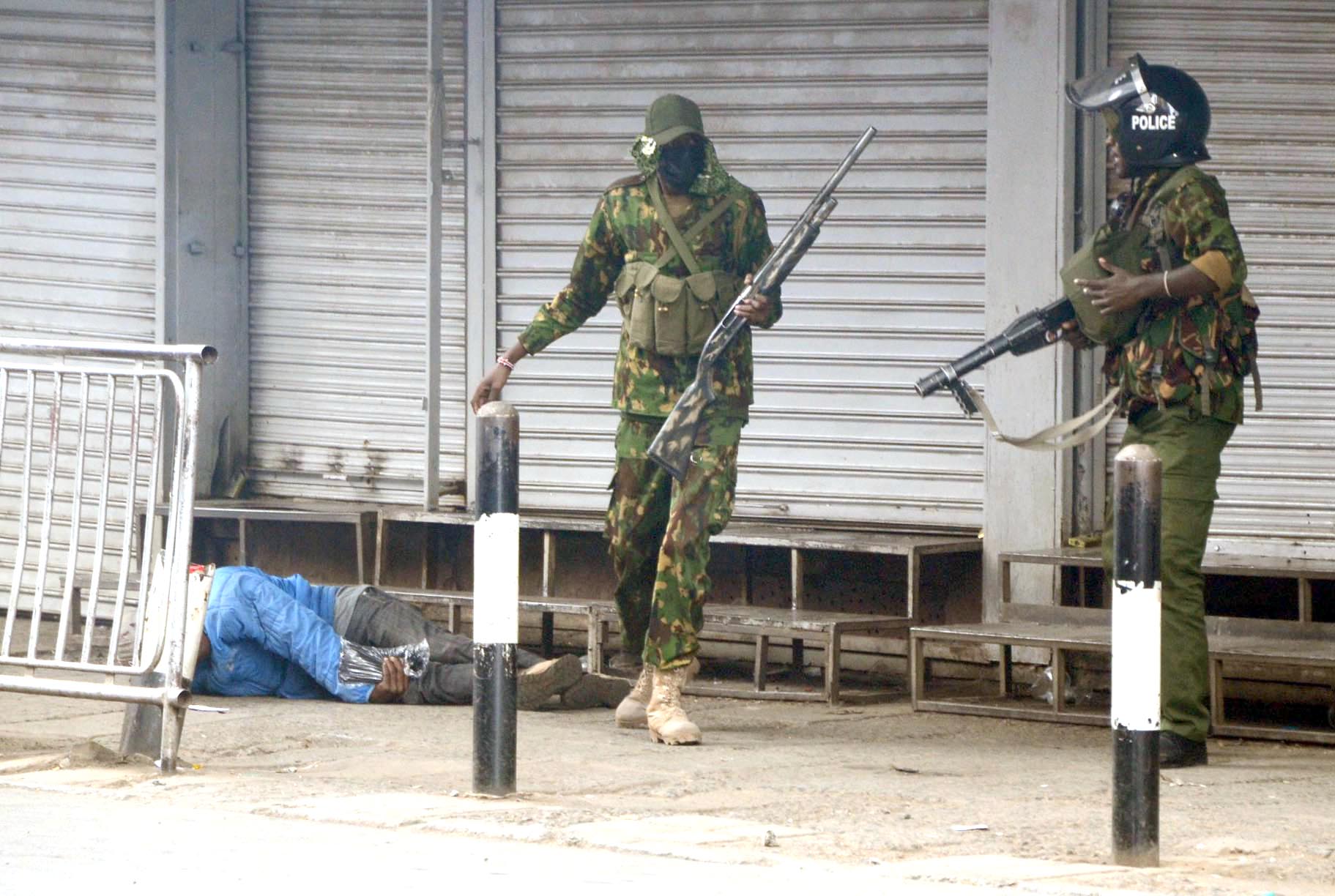
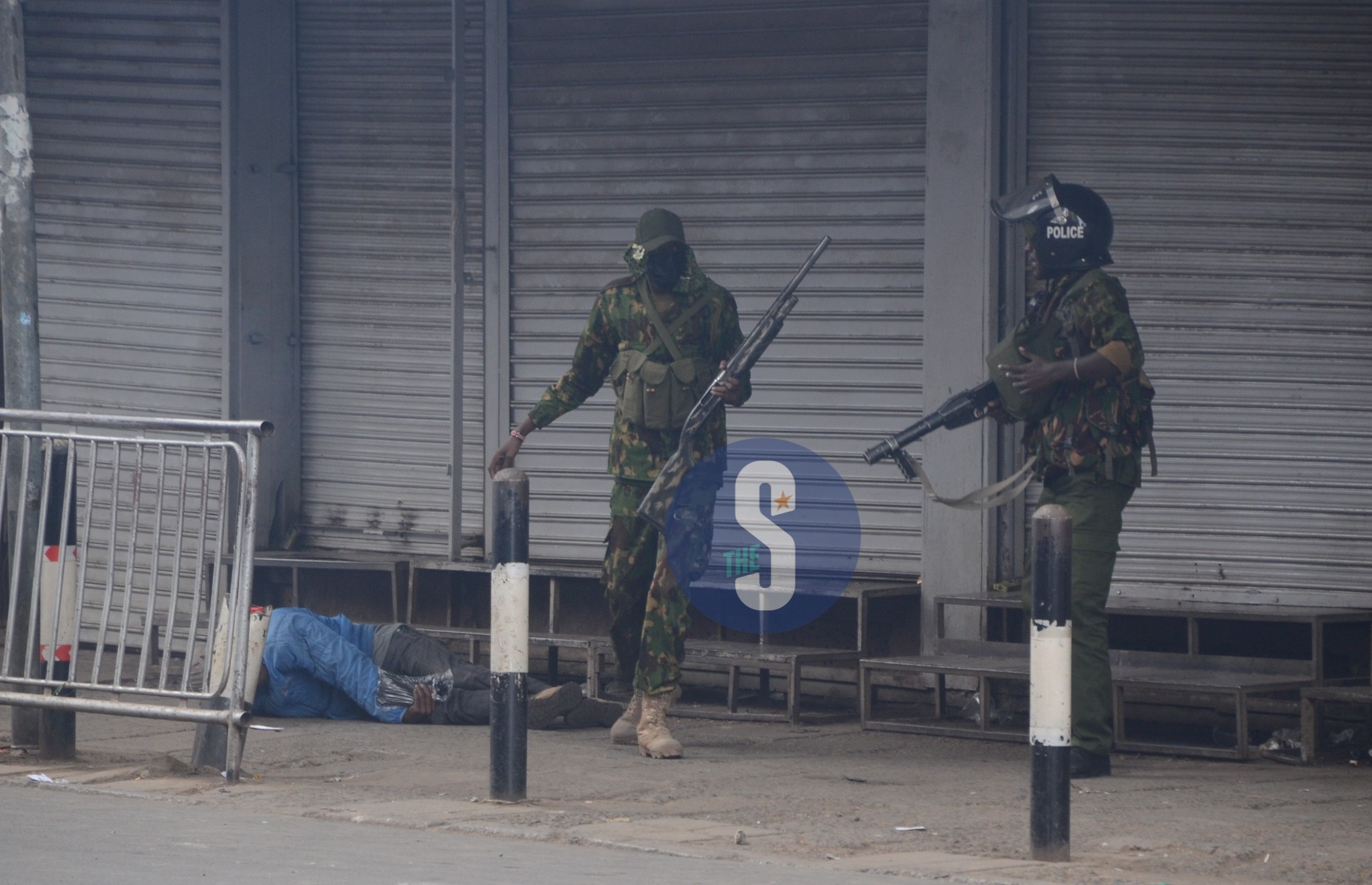 A protester lies motionless after he was shot by a police officer during demonstrations over the death of the late Albert Ojwang, June 17, 2025. /DOUGLAS OKIDDY