In a bold step aimed at revitalising Kenya’s struggling
sugar sector, the government has finalised a 30-year lease agreement handing
over the operation of four major state-owned sugar mills to private millers.
The move is expected to usher in a new era of efficiency,
increased productivity, and financial sustainability in a sector long plagued
by debt and mismanagement.
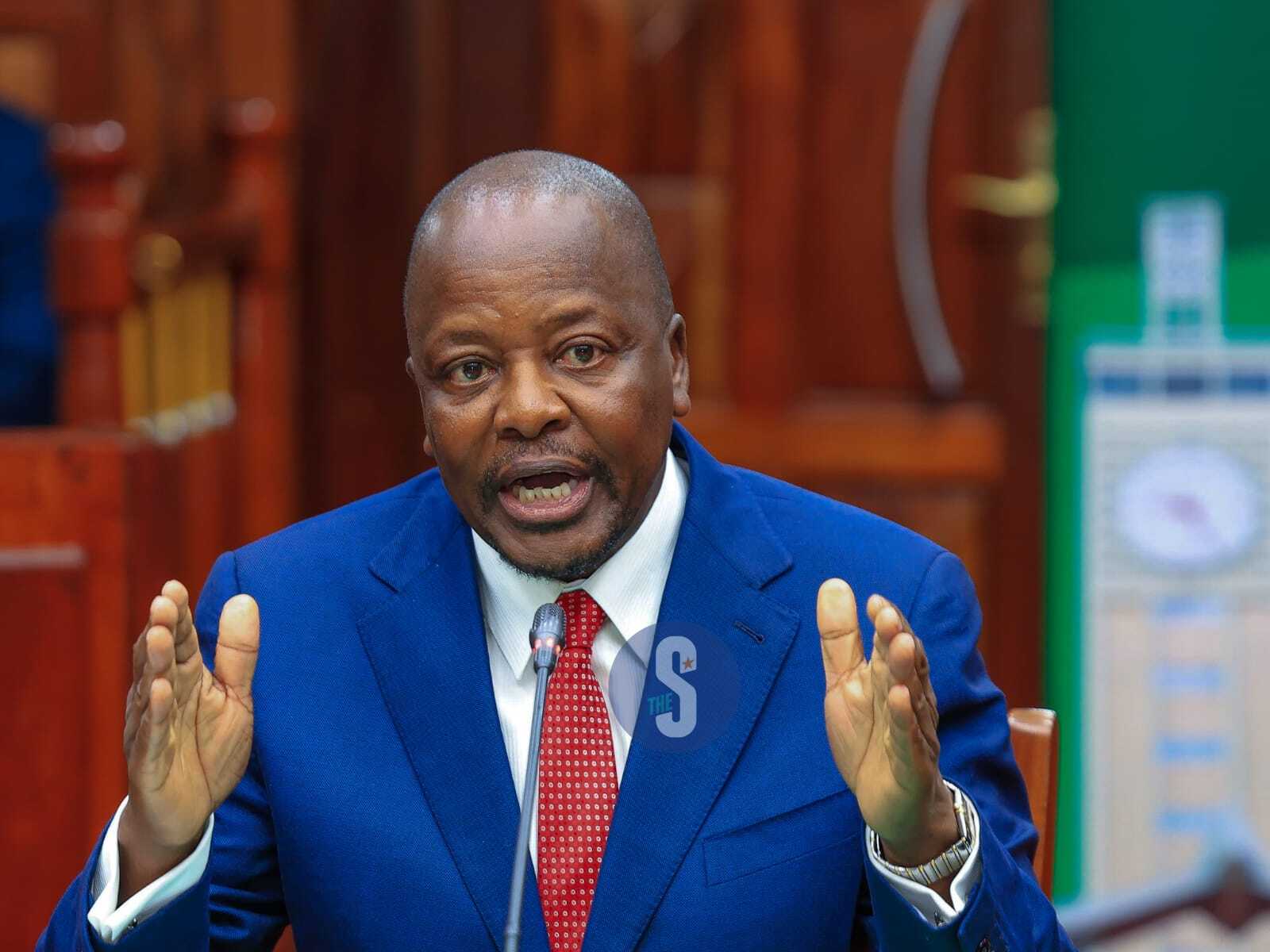
Announcing the development, Agriculture Cabinet Secretary
Mutahi Kagwe said the lease agreements were awarded through a competitive
procurement process and are part of a comprehensive reform plan to restore
profitability and reliability in the sugar industry.
Under the new arrangements, West Kenya Sugar Company will
take over Nzoia Sugar Company; Kibos Sugar and Allied Industries Ltd will
manage Chemelil Sugar Company; Busia Sugar Industry will operate Sony Sugar
Company and West Valley Sugar Company Ltd will lease Muhoroni Sugar Company.
"For years, the sugar sector has faced significant
challenges, including outdated machinery, poor management, and recurring
financial crises," said Richard Magero, Deputy Director at the Sugar
Directorate of the Kenya Sugar Board (KSB). “This leasing initiative is a
turning point, designed to inject private-sector efficiency and innovation into
the operations.”
The leased factories will remain publicly owned, with no
sale or acquisition of public land involved.
All assets, including land, will continue to be the property
of the national government, leased to private operators annually at market
rates.
Proceeds from the leases will be collected by the KSB and
reinvested in community development and cane farming initiatives.
A major concern during the leasing discussions was the fate
of thousands of workers employed at the four factories.
In response, the government signed a Memorandum of
Understanding (MoU) with the Kenya Union of Sugar Plantation and Allied Workers
(KUSPAW) to ensure the protection of workers' rights.
A 12-month transition period has been instituted, during
which the new operators will assess their staffing needs and determine which
employees to retain.
Meanwhile, the Ministry of Agriculture will remain
responsible for all unpaid salary arrears, pension contributions, and statutory
deductions up to the handover date.
A phased payout plan has been established: Sh1 billion will
be disbursed immediately—Sh600 million for clearing part of the salary arrears and
Sh400 million to pay May 2025 wages.
Sh1.5 billion will be released in July 2025 for ongoing
salary payments.
The government will continue to pay verified arrears of
Sh1.17 billion quarterly through June 2026.
The government’s decision followed years of consultations
with farmers, union leaders, governors, MPs, and sector experts, culminating in
cabinet approval.
Past audits have revealed that private sugar mills
consistently outperform public ones in productivity, efficiency, and
profitability.
By bringing in experienced private players, the government
expects improved payments to farmers, job security, and a significant reduction
in operational debt.
Kenya’s sugar production stood at 814,000 metric tonnes last
year—still short of the domestic demand of 1.1 million metric tonnes.
To bridge the gap, the country imported 170,000 tonnes of
refined sugar, mainly for industrial use. The leasing program is expected to
close this gap over time by boosting local production capacity.
Kagwe expressed optimism that this historic restructuring
will position Kenya’s sugar sector for long-term success. "This is about
more than operational efficiency—it’s about restoring confidence,
competitiveness, and dignity to a vital industry,” he said.
As private millers take over operations, the government will
continue to monitor performance through regulatory oversight, community
engagement, and investment in smallholder support programmes.