Kenya’s five-year electoral cycles often disrupt
ongoing development
projects initiated by
previous administrations, leading
to inefficient use of taxpayers’ money. While some projects continue,
many stall when there is no political
continuity.
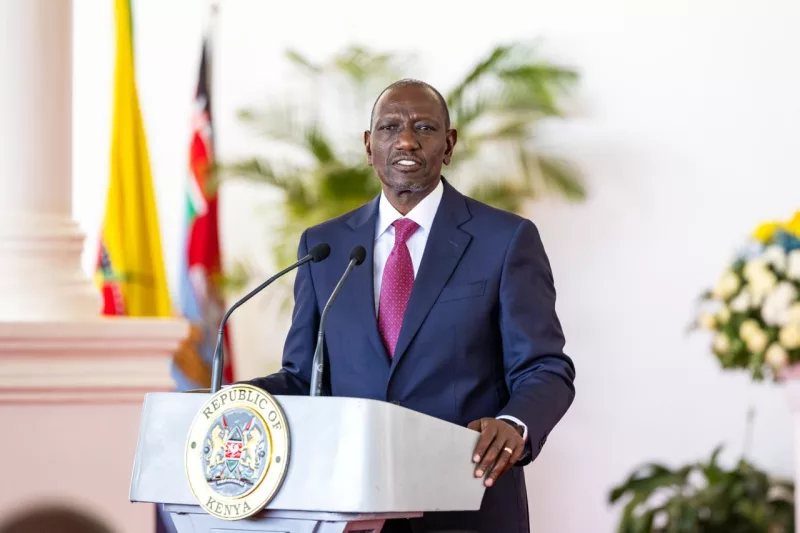
President William Ruto
himself reversed several initiatives
by his predecessor, Uhuru Kenyatta, before realising the injustice to
Kenyans.
For Kenya to avoid this cycle of
wasted resources, we should adopt
best practices and create laws ensuring no new administration begins a project until previous ones
are completed. This approach would
prevent the loss of money through
stalled initiatives.
A major flaw in African democracy, inherited from colonial powers,
is the frequent electoral cycles causing leadership changes and often the
abandonment of prior government
projects. This disrupts governance
and destabilises economies by fostering political polarisation, which
deters investment.
In Kenya, election
years often bring tensions that create
an unstable environment for growth
and investment.
During China’s 2025 legislative
sessions, I learnt about China’s longterm approach to national development through its Five-Year Plans.
These plans focus on long-term
goals such as economic growth,
technological innovation and social welfare.
Kenya can learn from this approach by setting clear, long-term
national goals that transcend shortterm political interests.
China’s rise as a global economic powerhouse is largely due to its
strategic and forward-thinking approach. For Kenya, a country rich
in resources but facing numerous
development challenges, China’s
model offers valuable lessons.
By
adopting long-term planning, the
country can achieve sustainable
progress while avoiding the disruptions caused by shifting political
agendas.
To implement such a system,
lawmakers must pass laws that prioritise the completion of ongoing
projects before starting new ones.
Furthermore, the idea proposed by
KRA chairperson Ndiritu Muriithi
to eliminate the annual Finance Bill
could create a more stable business
environment for long-term growth.
China’s Five-Year Plans are instrumental in its economic and social
strategy. These plans outline specific
goals with clear targets and actions,
and the government evaluates progress annually, making necessary adjustments.
For Kenya, adopting a similar
approach could provide stability,
allowing the country to focus on
strategic priorities. Vision 2030, although a good framework, is often
disrupted by political changes.
By
prioritising long-term objectives,
Kenya can ensure consistency in
its development strategies. Regular
assessments and adjustments will
keep the country on track.
China’s transition from an
agrarian economy to an industrial
powerhouse is a key success story
of its Five-Year Plans. By focusing
on technological advancements
and expanding the manufacturing
sector, China moved from being a
producer of raw materials to a global
leader in technological innovation.
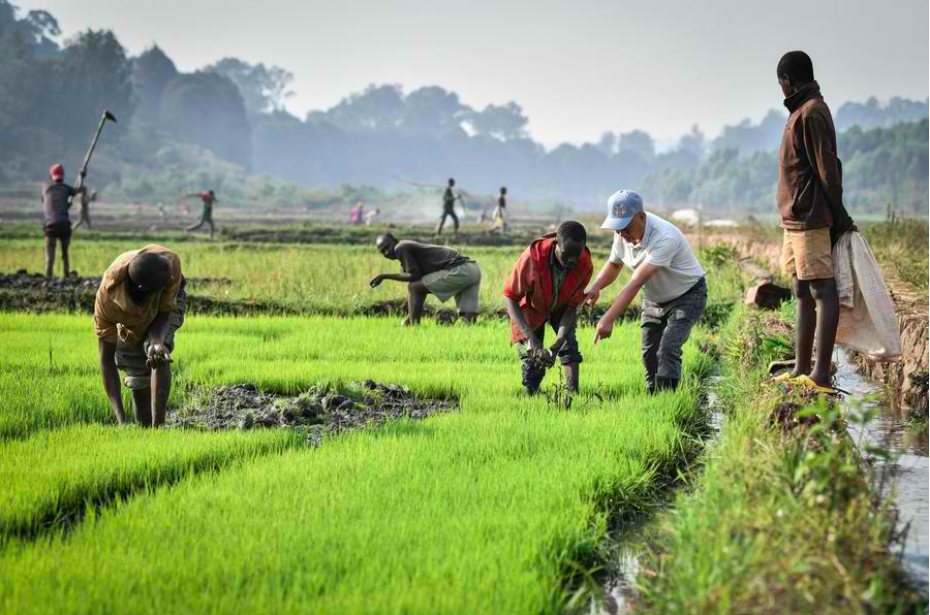
Kenya, with its agricultural wealth,
often exports raw materials without
adding value.
By following China’s model of industrialisation, Kenya can build its
manufacturing base, create jobs and
increase its export capacity.
Focusing on sectors such as technology,
renewable energy and manufacturing would move Kenya up the value
chain and contribute to sustainable
growth.
China’s Five-Year Plans also emphasise the government’s active
role in driving economic growth.
The government has shaped industrial policy, directed economic activities and encouraged investment
in strategic sectors.
While the private sector is crucial, government
involvement through state-owned
enterprises and public-private partnerships has been instrumental.
In Kenya, although the private
sector plays a major role, the government can play a more active role
in sectors such as energy, education
and infrastructure.
PPPs can help
fund critical projects, and the government’s involvement can channel
resources into key areas that promote long-term prosperity.
Sustainability is another key focus
of China’s Five-Year Plans.
As China
works toward carbon neutrality by
2060, it is prioritising environmental protection alongside economic
growth. This focus on sustainable development offers valuable lessons for
Kenya, which is already dealing with
environmental challenges such as deforestation, water scarcity and
pollution.
By incorporating sustainability into long-term planning, we
can ensure growth does not harm
the environment. Investing in renewable energy, promoting green
technologies, and enforcing policies
to protect natural resources will help
Kenya achieve sustainable development.
China’s Five-Year Plans offer key
insights into long-term strategic
planning. By adopting a similar
approach to national development,
setting clear long-term goals and
engaging the government actively
in critical sectors, Kenya can achieve
sustainable development.
Although the contexts of Kenya
and China differ, the core principles
of strategic planning, innovation and
inclusive growth are highly relevant.
With the right policies, Kenya can
build a prosperous, equitable and
sustainable future for its citizens.
The writer a Journalist and
communications
consultant