It has emerged that this theft has been going on for the last two financial years. Some give them nothing at all, although they are required to reserve 30 per cent for the needy and distressed.
Several state agencies are not meeting the requirement to award at least 30 per cent of their procurement opportunities to disadvantaged groups.
The Public Procurement Regulatory Authority has revealed that individuals are abusing the Access to Government Procurement Opportunities (AGPO) certificates to deny tenders to the disadvantaged.
Some pose as disadvantaged groups and a very few groups actually participate in the scheme, handing money over to the people with real money, for a small price.
In fact, the people who really need the money are ripped-off.
PPRA said some youth, women and PWD groups are acting as “middlemen” for the individuals who eventually pocket millions in tenders.
"[There are] cases of misuse of AGPO certificates, whereby disadvantaged groups act as middlemen to access public contracts,” PPRA director general Patrick Wanjuki said in a report to the Senate last week.
The authority revealed that once the disadvantaged groups win the tenders, they subcontract or surrender the entire business or contract to the powerful individuals. They are rewarded for their selflessness.
This manoeuvre, the agency said, has defeated the objective of reserving opportunities for disadvantaged groups.
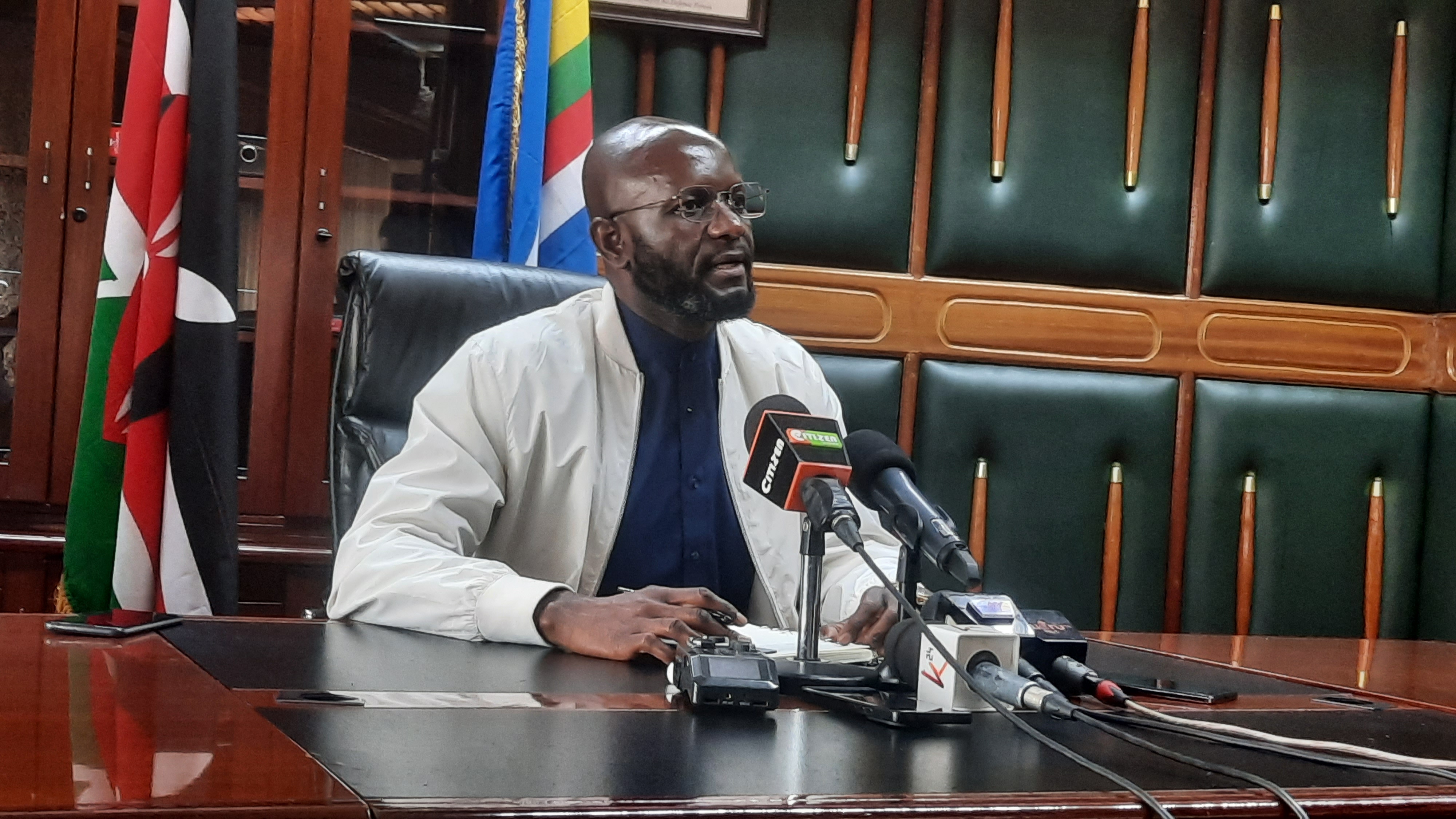
Marsabit Senator Mohamed Chute described the situation as “terrible”, adding that their engagement with the authority showed as much as 80 per cent of the contracts awarded to the groups end up in the hands of powerful individuals.
Kenya National Civil Society Centre executive director Suba Churchill said the buck stops with the oversight agencies to end the misconduct.
"The agencies that do oversight, including the EACC, must do their work because it is unethical for someone to masquerade as a PWD or to claim they are a needy youth or woman when they are not," he said.
Churchill emphasised the need to tighten oversight for early detection malpractices before payments are made.
The report on the theft tabled in the committee said that on average, contracts worth Sh43.96 billion were reserved for youth, against a total budget of Sh198.84 billion, representing 22.11 per cent, in the 2023-24 financial year.
In 2022-23, contracts worth Sh102.69 billion were reserved, against a total budget of Sh498.82 billion, representing 20.59 per cent.
The report shows state corporations performed dismally, with only 18.82 per cent of their tenders going to youths, PWDs and women in 2023-24.
In yet another revelation, the authority revealed some state agencies are only awarding procurement contracts to specific youth groups, thus denying opportunities to other deserving groups.
“Procuring entities (are) preferring a few established disadvantaged groups for repeat business and weak rotation of suppliers that is required,” Wanjuki said.
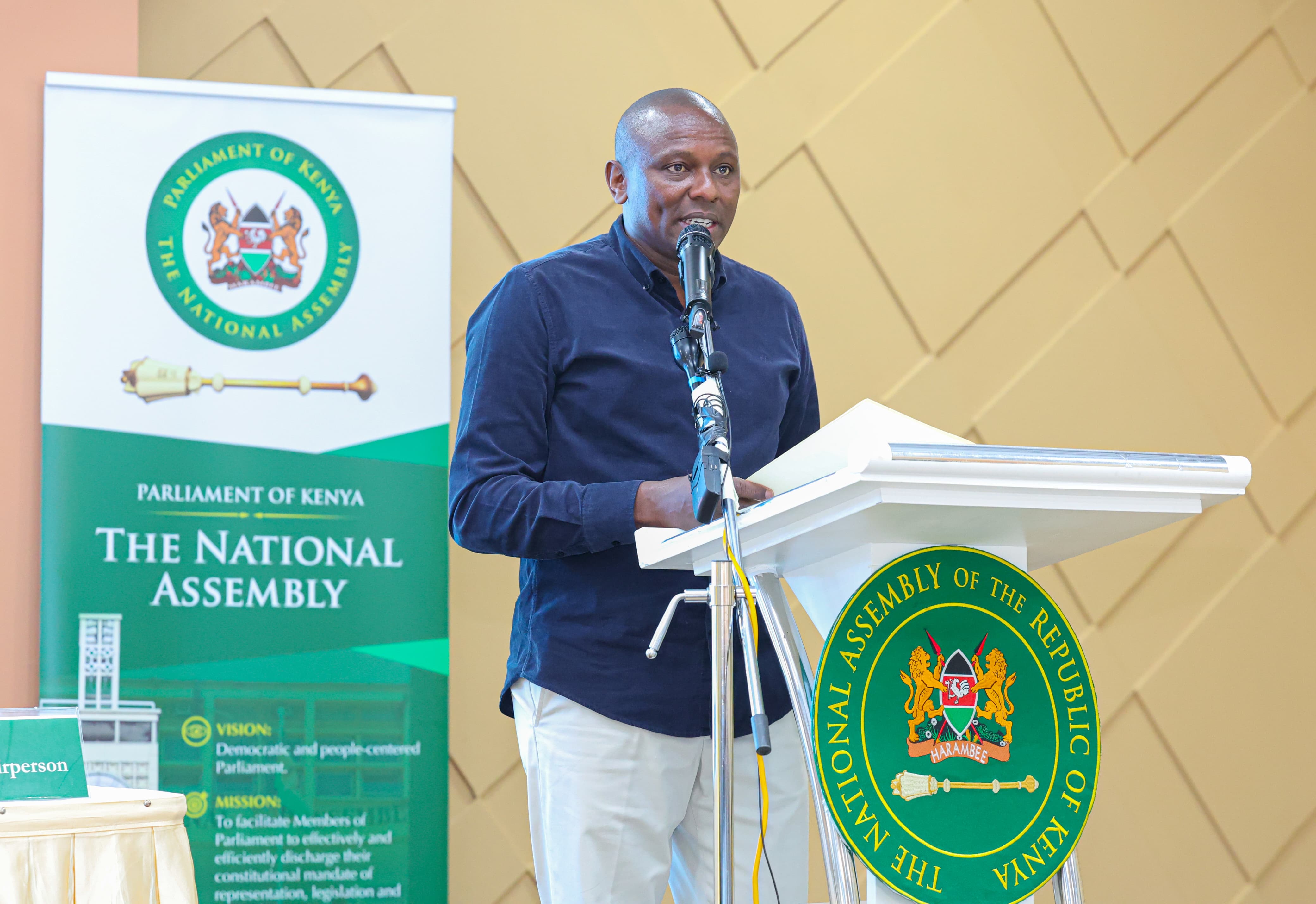
The revelations emerged during a meeting between the PPRA management and the Senate National Cohesion and Equal Opportunity and Regional Integration.
The panel, chaired by Chute, aims to establish whether national and county government entities are complying, and to what level, with the law on equal opportunity
Section 53 (6) of the Public Procurement and Asset Disposal Act, 2015 provides that all procurement and asset disposal planning shall reserve a minimum of 30 per cent of the budgetary allocations for enterprises owned by women, youth, PWDs and other disadvantaged groups.
Further, Section 157 (5) of the Act stipulates an accounting officer of a procuring entity shall reserve a prescribed percentage of its procurement budget-not less than 30 per cent-to a disadvantaged group.
The accounting officer is mandated to comply with the Act and the regulations regarding preferences and reservations.
County government entities are required to apply preference and reservation schemes so that 20 per cent of their procurement budgets are reserved for tenders to county residents.
“Almost 80 per cent of the contracts that go to PWDs, youth and women are being brokered by those people who are illegitimately trying to get tenders they do not deserve,” Chute said.
He said the groups are being used as conduits that immediately pass the contracts to their masters.
“That is a very big concern and the problem we are facing is that these groups are being used as brokers. Someone registers a company and then uses PWDs, women or youth to win tenders,” he said.
PPRA now wants adequate additional resources to monitor and enforce compliance with the scheme.
The report states that several agencies are not complying with the requirement that at least 30 per cent of tenders be awarded to the disadvantaged groups.
“A number of procuring entities reserve less than the required minimum of 30 per cent of their annual procurement budget for the special interest groups,” PPRA said.
In 2022-23, the percentage was 20.59.
Contracts worth Sh102.69 billion were reserved against a total budget of Sh498.82 billion.
The report shows that state corporations performed dismally, with only 18.82 per cent of their tenders going to youths, PWDs and women in 2023-24.
They include the Kenya Revenue Authority, Kenya Electricity Generating Company, Kenya Water Towers, Moi Teaching and Referral Hospital, East Africa Portland Cement and the Independent Policing Oversight Authority.
Sixteen ministries and the Judiciary did not submit their procurement plans to the authority for the year ended June 2023 to show their compliance level.
They include Interior, Foreign Affairs, Health, ICT, Labour, Agriculture, Lands, EAC, Education, Youth, Energy, Devolution and Gender.
County assemblies reserved 19.02 per cent to the special interest groups, while county executives reserved 24.64 per cent.
Commissions and Independent offices, public universities and colleges, and ministries and departments met the threshold, on average.
In the 2022-23, none of the state agencies met the threshold.
The best performer that year were county governments that awarded 29.33 per cent of their contacts to PWDs, youth and women, state corporations awarded only 17.68 per cent.
“Overall, out of the 176 procuring entities (Pes) that submitted their plans, 158 of them reserved at least 30 per cent of their procurement budget for procurement of goods, works and services,” the director general said in the report.
In the two financial years, 13,215 contracts were awarded to the target groups.
The women’s category received the highest number of contracts at 6,953, followed by the youth at 4,590. PWDs received the least at 1,672. Some entities do not award any contracts to PWDs.
“Despite the entities reserving procurements for the target groups, there is still low absorption of the amounts reserved for the target groups,” the authority said.
Lack of access to credit facilities, delayed payment by procuring entities and low levels of awareness of the scheme by the disadvantaged groups in rural areas have led to limited participation.
“There are lack of skills and knowledge amongst the disadvantaged groups about the public procurement processes and procedures and preparation and pricing of bids,” the director general said.