The lawmakers said many health facilities across the country, including referral hospitals, have run-out of the life-saving commodities.
Led by Nyamira Senator Okongó Omogeni, the senators are demanding answers from the Ministry of Health on the matter.
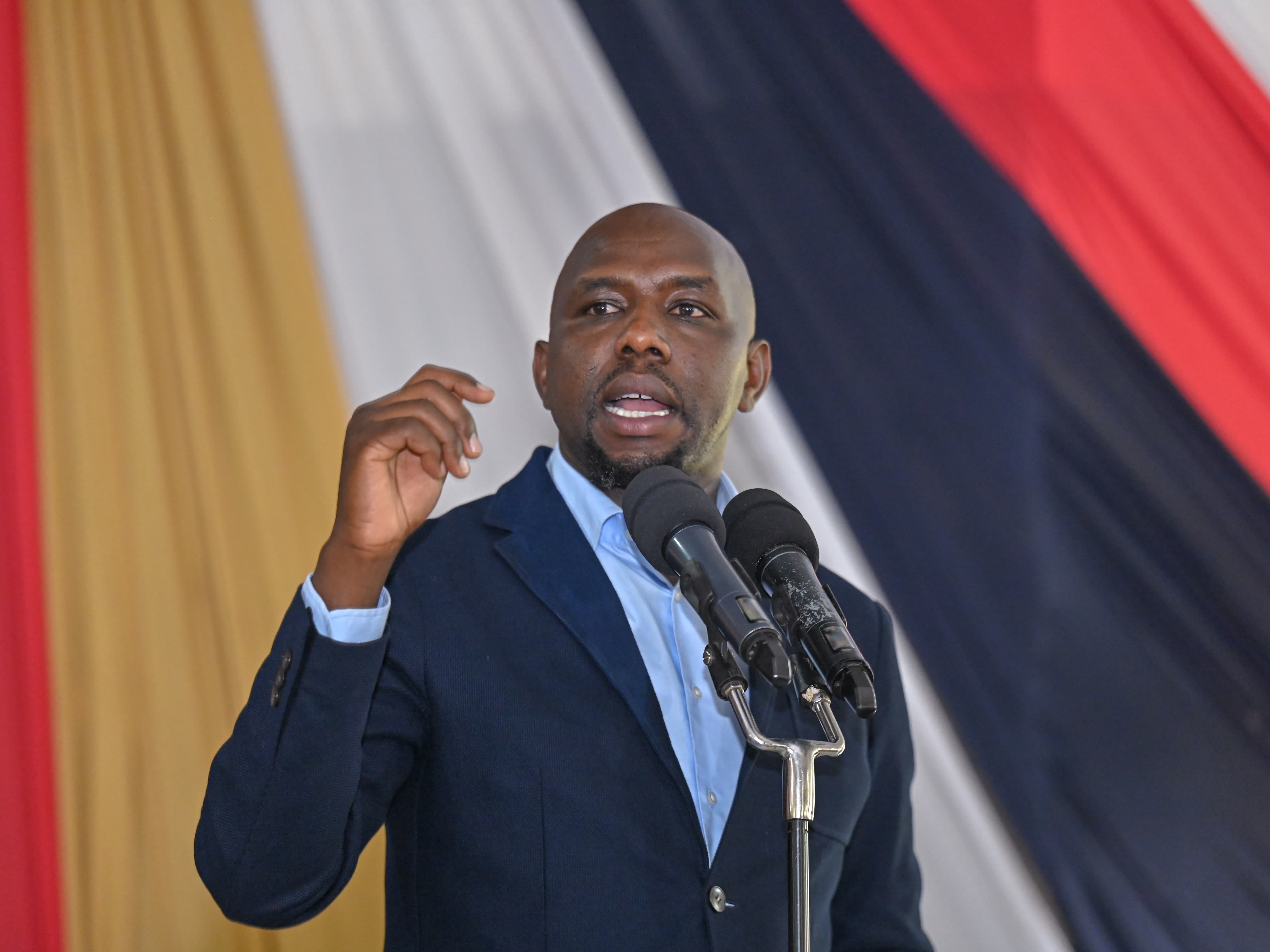
Senate Health committee chairman Jackson Mandago said a recent visit by his committee to Longisa Sub-County Hospital and Bomet Referral Hospital, revealed a lack of essential drugs.
“To our surprise in the course of our inspection, we came across patients who had been diagnosed with TB but lacked the necessary drugs. In some cases, the cartridges for testing TB were not available,” Mandago said.
Consequently, speaker Amason Kingi ordered the House Health Committee to summon CS Susan Nakhumicha, to explain the worrying situation.
The development follows a statement sought by Omogeni, demanding the House intervention to address the problem that was threatening lives.
“The ministry (through the committee) should provide detailed information on the current status of anti-tuberculosis drug shortage in the country,” Omogeni said.
The Parliamentary Service Commission wants the ministry to outline the specific medications facing deficits and their impact on county health services.
The ministry, through the committee, will state primary causes contributing to the current scarcity.
TB has been declared a serious public health issue in Kenya, with about 120,000 people developing TB every year.
It is estimated that about 18,600 people die from it.
TB is the fourth largest cause of death, being responsible for about six per cent of all deaths.
The senators want the CS to state measures put in place by the government to address the issue.
“The committee should disclose any relevant information on the existing financial arrangements between the Government of Kenya and its development partners, particularly USAID and Global Fund, on the supply of anti-TB drugs and other essential medical commodities,” he said.
The CS will outline the remedial and preventive measures implemented by the government to tackle the crisis.
She will also clarify whether the measures constitute stop-gap measures or permanent solutions.
“The ministry should spell-out initiatives, if any, undertaken by the government to consider reliance on external donors for anti-tuberculosis drugs and other essential medical commodities,” he said.
Mandago sought the speaker’s nod to also summon Kenya Medical Supplies Agency, to address the situation that he said was exposing the country to a very dangerous and dreaded disease.
“MOH and KEMSA should provide explicit and clear information on the procurement of TB drugs and the issue of sustainability of supply,” he said.
“The ministry should also make it clear whether counties can be allowed to procure these drugs from the other suppliers whenever there are shortages,” Mandago said.
He added, “This is not a matter that should be left to the ministry to debate on their own. This House needs to pursue this matter because TB is a global disease that is supposed to be eradicated even here in Kenya.”



![[PHOTOS] Uhuru graces commissioning mass of Catholic Women](https://cdn.radioafrica.digital/image/2026/06/0bbd7e96-f180-4e02-966f-97c3fb201478.jpg)