This comes as the industry awaits Parliament’s decision on proposed upward adjustments for park fees, expected to come into place in January.
According to the State Department for Wildlife and Kenya Wildlife Services (KWS), the proposed increment which will see some packages more than double, is aimed at fundraising towards conservation.
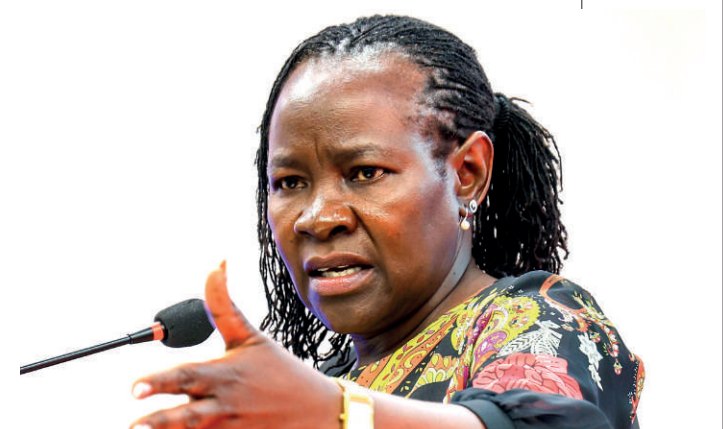
In an exclusive interview with the Star, PS Museiya said a comparative analysis was done with other destinations, hence Kenya will not impact, lose out.
“We will still remain one of the cheapest destinations,” she told the Star, noting the increase has been necessitated by inflation and other factors, which have affected prices across the different sectors.
Kenya has also not reviewed parks in recent years, despite the cost of operations and conservation more than doubling.
“It was time we reviewed the fees to reflect current economic times. Conservation is also not cheap. With climate change, threat to wildlife and other challenges….nothing is coming cheap. For too long, we have undervalued our wildlife resources,” Museiya said.
She noted that the increase is mostly on foreign visitors with domestic tourists continuing to enjoy favourable terms.
The gazetted new entry fees will see park fees for the premium Maasai Mara National Reserve double from $100 (Sh14,985) to $200 (Sh29,970) for international visitors, with East African Community citizens paying slightly lower.
For Amboseli and Lake Nakuru, also categorised as premium, foreign visitors will part with $100 during the high season and $80 during low season.
EAC citizens will pay Sh2,000 during high season with low season tickets going for Sh1,500 for adults.
Nairobi National park will attract similar charges, save for foreign visitors who will pay $100 during both seasons.
There are also rates from visitors from Africa who are not EAC residents, with children paying lower rates across the different packages.
The new proposed changes also affect other parks including protected marine areas.
Other packages away from Safari, among them mountain climbing, special interest parks, scenic parks, mountain climbing, camping, conferences, vehicles entering parks are also targeted under the new rates.
Industry players have however cautioned that Kenya could lose to Tanzania and other African destinations that offer similar products.
Four out of seven of Africa’s top Safari destinations, among them Kenya offer beach and safari packages.
Kenya's main competitors are Tanzania, South Africa, Zimbabwe, Botswana, Zambia and Namibia.
Tanzania's charges are currently $100 a day while South Africa, Zimbabwe and Zambia range between $30 to $50.
According to Pollmans Tours and Safaris Group Director of Operations, Mohamed Hersi the park entry fee review will also affect Tembea Kenya campaign, which is aimed at promoting domestic tourism.
“We are not against park fees increase but doubling park fees for the Mara from $100 to $200 will certainly outprice ourselves,” Hersi said, even as he acknowledged the high costs that come with conservation.
The PS defended the shift to online payment through the eCitizen platform for park entry fees, saying it has helped seal revenue loopholes.
“Between July and now, our collection is half of the projected revenue for the entire year,” she said.
Safari remains among Kenya’s tourism selling points where last year, visitor numbers to KWS installments (both domestic and international), grew to 2.2 million, up 913, 052, as the tourism industry rebounded.
Culture and heritage sites received a total of 856,604 visitors, a 114 per cent growth compared to 401,165 the previous year.
International tourist arrivals to Kenya were 1,483,752 which represents 70.45 per cent increase as compared to 2021 arrivals of 870,465.
Inbound receipts in the year grew up to Sh268.1 billion, up from Sh146.5 billion in 2021 which was a growth of 83 per cent.