At least Sh12.7 billion in emergency response is required to address the anticipated impacts of the El Niño in the Horn of Africa including Kenya, the Food and Agriculture Organisation has said.
FAO noted there is a greater than 90 per cent chance that El Niño will come and continue through the end of 2023 into 2024.
This will increase the likelihood of extreme weather and climate hazards, ranging from drought to floods and storms.
“FAO’s El Niño Anticipatory Action and Response Plan requires $89 million (Sh12.7 billion) to deliver immediate support to the most at-risk and affected populations in the second half of 2023,” FAO said in a statement.
The help will mostly cover people in the Horn of Africa, including Kenya.
In Kenya, El Niño is expected to bring unusually heavy rains, but the Met Department has cautioned this will only become clearer by the end of this month.
“The question is no longer if El Niño will happen, but what we must do to mitigate its impacts,” FAO said in a statement.
“By disrupting rainfall and temperature patterns, El Niño may strongly impact agriculture, rural livelihoods and food security. Such early warnings clearly call for early action.”
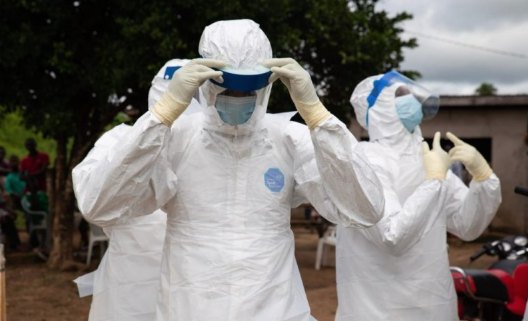
Kenya has not shared any preparedness plan. Only the Ministry of Health is carrying out vaccination against cholera in preparation.
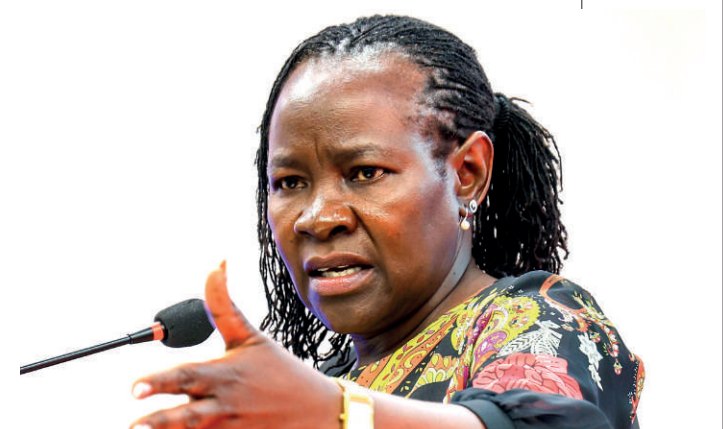
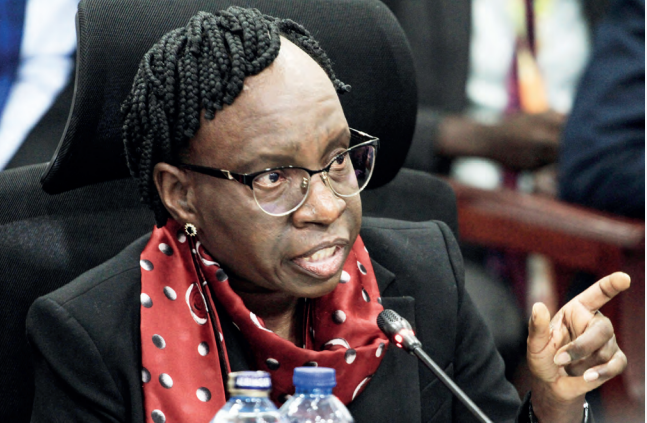
“Because of the El-Niño that has been announced that may happen in September you realise that it is going to be very wet and there is going to be probably water that is flowing and it would be important that we get prepared,” Health PS Mary Muthoni said.
FAO said El Niño-induced climate hazards pose high risks to food security. “The world enters this El Niño cycle already with a record 258 million people experiencing acute hunger and only 20 percent of the funds needed to deliver food security assistance to the most vulnerable,” it said .
The UN agency said the last El Niño in 2015-2016 severely affected more than 60 million people, causing 23 countries to appeal for international humanitarian assistance totalling $5 billion.
By disrupting rainfall and temperature patterns, El Niño may strongly impact agriculture, rural livelihoods and food security, FAO added.
It said farmers, pastoralists, fishers and other small-scale producers bear the most direct and immediate impacts of climate shocks.
“Effective early action must therefore concentrate on preventing damage and loss to crops, livestock, productive lands, waters and infrastructure to protect food at its source. This not only safeguards local food supply but also mitigates wider effects on communities, local economies and humanitarian aid requirements,” it said.
FAO studies show that every $1 invested in anticipatory action can create a return for farming families of more than $7 in avoided losses and added benefits.
The FAO’s plan aims to help fishers protect their boats ahead of storms, reinforcing river embankments ahead of floods, distributing drought-tolerant seeds to rainfed farmers and protecting livestock health.
It also calls for capitalising on the positive spillover effects of El Niño and offset losses, for example by supplying seeds to flood-affected farmers so they can plant and regain a harvest as flood waters recede.
It also calls for early response where El Niño causes devastation, including through prepositioning the most time-sensitive supplies such as veterinary medicines, seeds and water bladders, while providing cash to severely affected families to meet their most immediate needs.