Before this, nobody knew what this SGR contract entailed as its crafters kept it a secret for more than eight years.
Even without knowing its details, we have known from the stench emanating from where it was hidden that the SGR contract was no good for consumption.
We now know from the disclosed documents that the Mombasa-Nairobi phase of the SGR construction cost Sh327 billion, while the extension to Naivasha cost Sh150 billion.
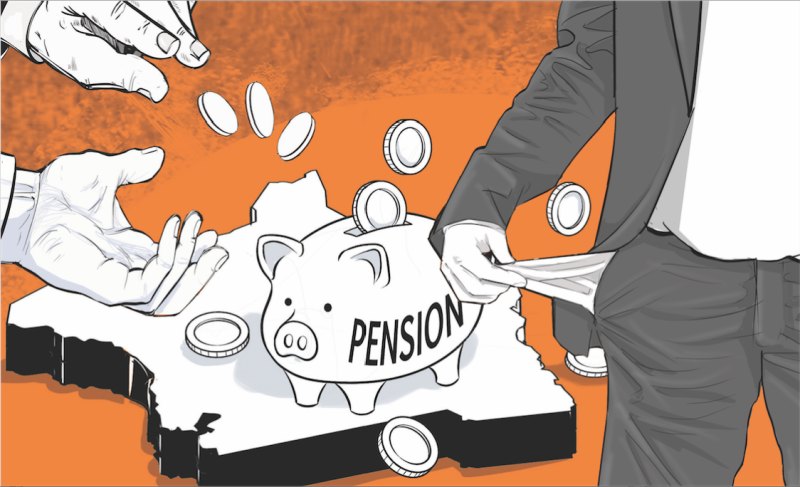
Kenya did not have this money, so we borrowed all of it from China.
To be sure, Kenya, like all other African countries, has a great need for infrastructure to boost our economic growth. Therefore, upgrading transportation infrastructure, at face value, is a worthy endeavour.
This is because poor roads railways and ports raise transit costs, rendering our goods less competitive internationally. In this context, revitalising, standardising and expanding Kenya’s rail transport was imperative.
However, question is whether the SGR cost is worth it, and government will be able to repay the colossal loan from China. Ask anyone whether all the money borrowed went into actual construction or was some of it was embezzled, and the answer you will invariably get is, yes.
Will the CS now have a forensic audit to establish exactly who embezzled the money? Even more importantly, will Murkomen aggressively lead efforts to hold those who have stolen from the SGR accountable?
A question that has been asked and not fully answered is whether the SGR makes economic sense. This is a question that has been asked since the inception of the project back in 2012.
As expected, the government told us that the SGR makes total economic sense.
Doubters, including leading economists like Dr David Ndii, argued otherwise. Ndii, for example, told us that the planners of the SGR assumed that the new train system would generate enough revenue to cover operating costs and loan repayments, but this has not been the case. According to the economist and the latest available data, while the SGR revenues are up, the system is still running at a loss.
This is primarily because the Kenyan government has struggled to get businesses to use the line. On the other hand, the SGR is primarily used for imports, meaning trains return to Mombasa largely empty.
Moreover, according to Ndii and other economists, the promised uptick in Kenya’s GDP growth has not materialised, and it remains doubtful whether the railroad even has the physical capacity to pay for itself.
Ironically, Ndii, who earlier pledged during the campaigns to leave Kenya should William Ruto be elected president, is now fully on board in the Kenya Kwanza administration serving as his economic adviser.
How does Ndii now advise Ruto to deal with the SGR issue? To a layperson, the most obvious thing that needs to be done is to first find and recover money that was embezzled before, during and after signing of the SGR.
The government should then renegotiate the SGR contract and have its terms more aligned with the economic realities of operating the project.
At the same time, the government surrendered her sovereign immunity, which means we as a country are at the mercy of China as to what happens with the SGR boondoggle.
Murkomen and his boss can score points if they find a solution that turns the SGR into a worthy and viable investment.
The writer is a US-based legal analyst and political commentator