The lawmakers are targeting the IPPs, which they say are selling their electricity at exorbitant prices.
Their price is 30 times more than the cost of electricity supplied by Kenya Electricity Generating Company.
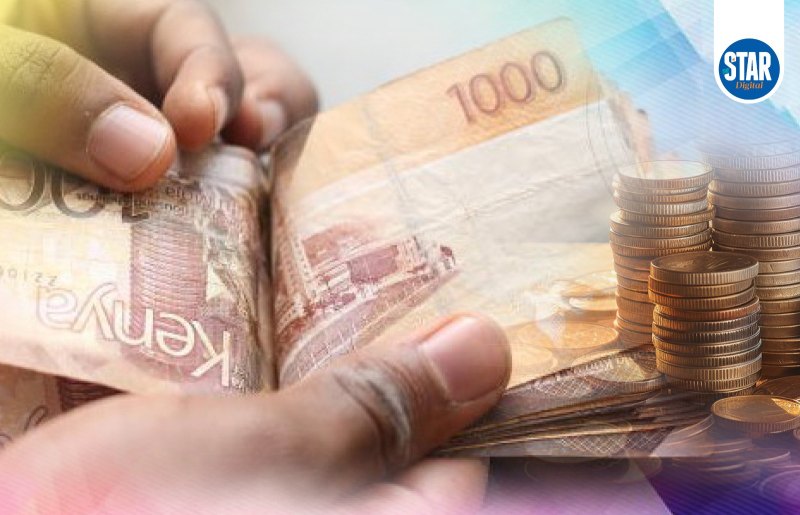
This, they said, has pushed the cost of electricity per unit to Sh25, an amount they explain can only allow a consumer to get 40 units for Sh1,000.
“If we want to industrialise and attract international manufacturing firms, then the cost of power has to be lowered,” Nyeri Senator Wahome Wamatinga said.
Wamatinga, who chairs the Senate’s Energy committee that will carry out the investigations, said his panel will recommend practical ways of reducing the cost of electricity.
He regretted that the cost of electricity has increased significantly, affecting the economy and cost of living.
“For us to spur our manufacturing and cottage industries as envisaged in the establishment of the Special Economic Zones in Naivasha, Dongo Kundu and other parts of the country, we need to ensure the cost of energy is lowered,” the senator said.
The total installed capacity with the inclusion of off-grid power in the country is 2949 megawatts.
Geothermal accounts for 863.1 megawatts, hydro for 838 megawatts and wind for 435 megawatts.
“It is evident that renewable sources of power dominate our energy mix and electricity should, therefore, be cheaper," Wamatinga said.
In the year ending June 2021, KenGen supplied 8,443 gigawatt hours, which makes 70 per cent and was paid Sh44.8billion.
IPPs supplied 3,000 gigawatt hours, which translates to about 30 per cent of the total power, and were paid more than Sh56 billion.
Wamatinga said if KenGen had supplied 100 per cent of the power consumed, the amount paid would have been Sh64 billion and that there have been a net savings of Sh37.1 billion to Kenya Power "enough to construct 37 level 4 hospitals.”
The Nyeri legislator said KenGen charges Sh5.41 per unit, while IPPs charges between Sh9.89 and Sh173.08 per unit.
“The cost of electricity charged by IPP is over 30 times compared to what KenGen charges,” Wamatinga said.
Tana River Senator Danson Mungatana said the IPPs, who signed "very punitive and unconscionable contracts against the people of Kenya were officers within the government."
“Instead of doing that [working to reduce costs], they colluded to create such contracts. That is why one has to still pay for the units, even when they are not being consumed,” he said.
“We have to establish the people who signed the contract. We should know who did these mistakes. We are all suffering because some people deliberately colluded with these IPPs to corruptly acquire wealth.”
Uasin Gishu Jackson Mandago said it was sad that Kenyans can have IPPs contracts that are so punitive to the nation consuming thermal power.
“I would ask the Committee on Energy to also look into the various tariffs and regulations that have made it difficult for renewable energy, particularly solar energy, to be used in this country,” the senator said.
(edited by Amol Awuor)