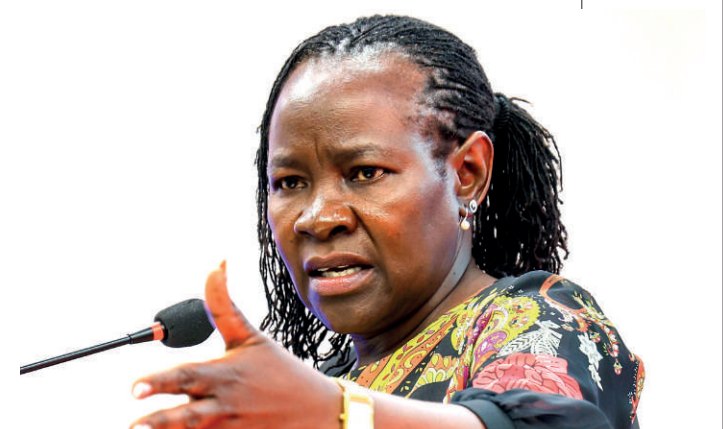
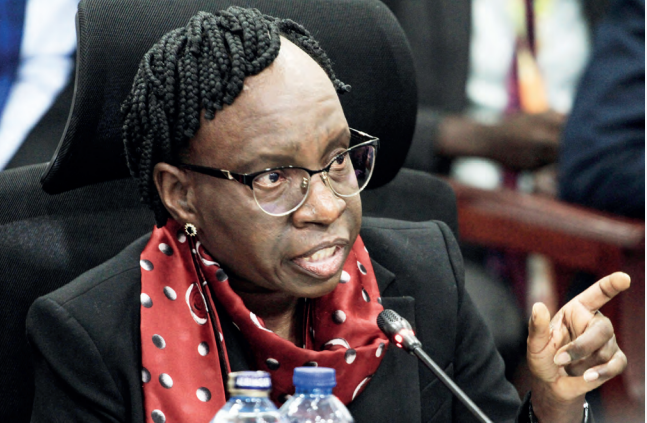
Kudos to the debate organisers for saving their best for last. Okwara’s incisive mind, sharp wit and determined interview style were always going to be a problem for any candidate before her who thought the debate was another public rally to spew hubris, alternative facts and vanity.
In sharp contrast to the deputy presidential debate last week, where a candidate walked in with, and referred to written materials, this week’s presidential show gave no room for such luxuries. And the two moderators, Okwara and Eric Latiff, clearly didn’t come to play.
Presidential debates are a new concept in Africa, a land where ascension to power has heavily relied on ethnic mobilisation, state support and military coups. In fact, even in the USA where they have become quite the fad, the first one happened as recently as 1956, and only by proxy.
Overall, there is no compelling evidence to show that these debates can sway an election or change the minds of a large portion of undecided voters. The fact that they happen so close to the elections negates the view that they have the capacity to change the destiny of the election at all.
But can a poor performance on the debate floor lose a candidate the momentum or can the perceived winner go ahead to rally his troops around the debate gains?
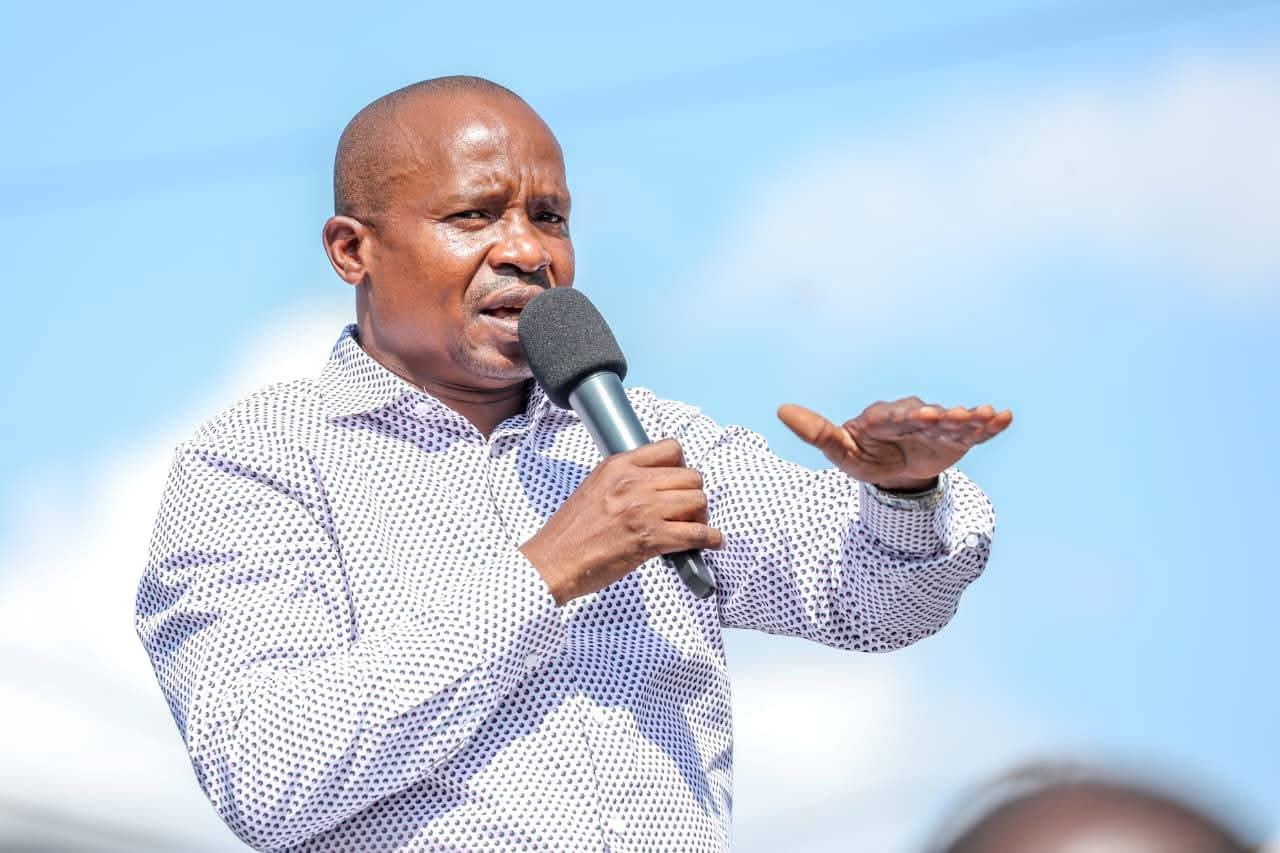
A week ago, after the deputy presidential debate, the UDA brigade went on a celebratory gig on social media, owning the space and totally convinced that UDA running mate Rigathi Gachagua had whitewashed Azimio’s Martha Karua.
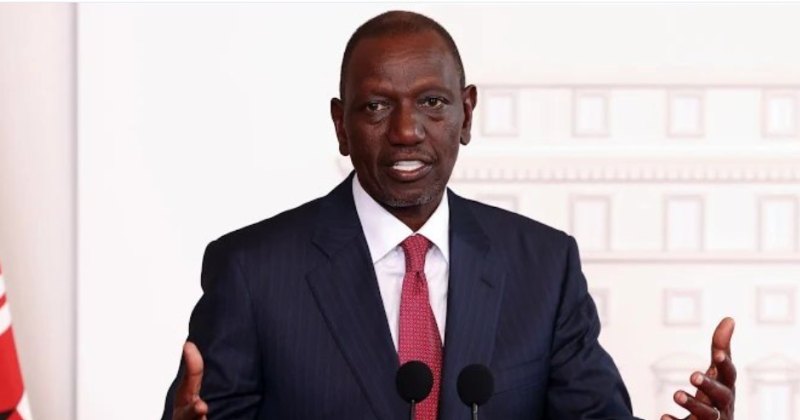
This week, by the end of the presidential debate, the rather subdued UDA fraternity was blaming both the power blackout that happened as soon as Ruto started speaking and the two moderators. In short, they thought their man had just “lost” a one-man debate.
Watching it, I thought to myself that the strategists who had advised Azimio boss Raila Odinga to skip the show should all queue for their Head of State Commendations should he win in about 10 days’ time.
For in his absence, Raila scored heavy points just by Ruto fumbling on a platform where he was unchallenged. I am certain there are many from the UDA formation who now agree that debates mean nothing in the ultimate scheme of things.
There is one mistake both sides made ahead of both the deputy presidential and the presidential debates. Before Karua and Gachagua faced off, the Azimio folks made jokes about Gachagua’s intellectual shortfalls and his legendary affinity for the gaffe. They even ran a pseudo union called the Give Gachagua the Microphone Union, basking in the glory of the Mathira MP’s loose tongue on the microphone.
At some point, they expected him to skip the debate altogether, but the consensus was that even if he appeared, Karua would make mince meat of him. This overconfidence played right into the hands of Gachagua. All he needed to do was to appear a little smarter than he had been caricatured and he would ride home in “victory”.
The UDA brigade then failed to internalise the lesson from Azimio’s omissions in the deputy presidential debate, to improve their own showing during the presidential one this week.
First, the hubris and chest thumping at public rallies, after they heard Raila wouldn’t attend, was totally unnecessary. The fastest way to lose the plot is to hold a victory lap before the actual contest.
Secondly, the not-so-subtle references to Raila missing the debate because of his age, oral delivery and perceived physical wear were, in all honesty, too low for a presidential-level conversation. But this is UDA we are talking about anyway.
Certain UDA wags had the twisted sense of humour to suggest that debate organisers should avail chairs for Raila, because he wouldn’t be able to stand for two hours.
Ruto is 55, while Raila is 77. In every sense, the latter may not have the same physical agility and verbal ability of 20 years ago, but his clarity of mind and purpose for the nation have got even clearer and more mature.
If Ruto followers wanted a strict comparison, they would go back 20 years ago when Raila was Ruto’s age today. History records that 20 years ago, Raila ran a massive single-handed campaign for Mwai Kibaki ahead of the 2002 election, covering every inch of the country and running against the Moi state apparatus, delivering a resounding victory.
He then followed that in quick succession with the 2005 national referendum and the 2007 general election. To summarise it, Raila spent his younger political days on the right side of the country’s history, while Ruto did the exact opposite. It is therefore distasteful to mask Ruto’s debate failures with jokes about Raila skipping it, or indeed his age and attendant physical wear.
We need to examine one more fallacy that contributed to the DP’s dismal show on Tuesday. There is this strange belief within the Kenya Kwanza alliance that debate moderators need to ask specific questions “which are of interest to ordinary Kenyans”. It is laughable, shallow posturing.
Debates are not arranged to help candidates advance the issues in their manifestos. Rather, they are mini-policy sessions to gauge the preparedness of candidates for high office and to allow the public to examine their temperament and suitability.
More than anything, the history of a candidate is paramount at these sessions, because the only way the public would ever know who and what you will be in power, is what you have been in the past. In all three debates (Nairobi gubernatorial, deputy presidential and presidential), the UDA candidates had this misplaced belief that they should have been asked specific questions.
Strategy teams may prep a candidate for effective debate performance. But the moderators are not under any obligation to take a certain questioning method or stick to specific questions. In my view, UDA-leaning politicians are too hung up on regurgitating rehearsed and repeated lines, so they do better at public rallies where crowds do not critically follow up on each promise.
There is a joke on social media that for every single thing the DP says, you can pull out an old clip where he said the exact opposite. Because of this, follow-up questions to him on Tuesday made him visibly uncomfortable. He stalled, fumbled and at times simply dodged questions.
At the end of it, both sides of the major political divide seemed in agreement that the DP had fallen totally short, if not coming out as a disaster. The jury is out on whether Raila “won” the debate in absentia or if he should just have come, given the underwhelming performance by his opponent.
But for a UDA brigade that makes it a daily staple to complain about media coverage, the fact that they had two hours unchallenged to shine over prime time, and still couldn’t declare victory, speaks to the vanity of making debates a matter of life and death.
I suspect the DP’s people now take the view that debates are nothing important after all.
WATCH: The latest videos from the Star