The majority of Kenyans cannot access mental health services and where available, there is inadequate awareness, lobby groups have said.
The Kenya National Commission on Human Rights and the Office of the Ombudsman on Monday said up to 95 per cent of Kenyans do not have access to mental health services.
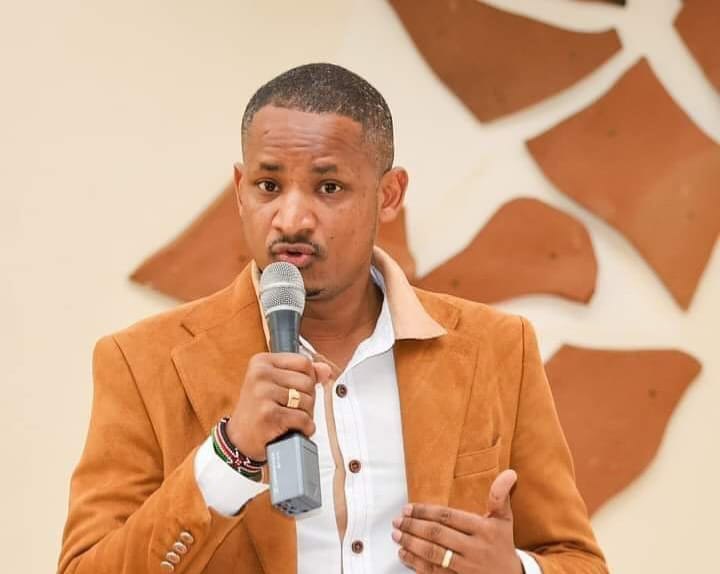
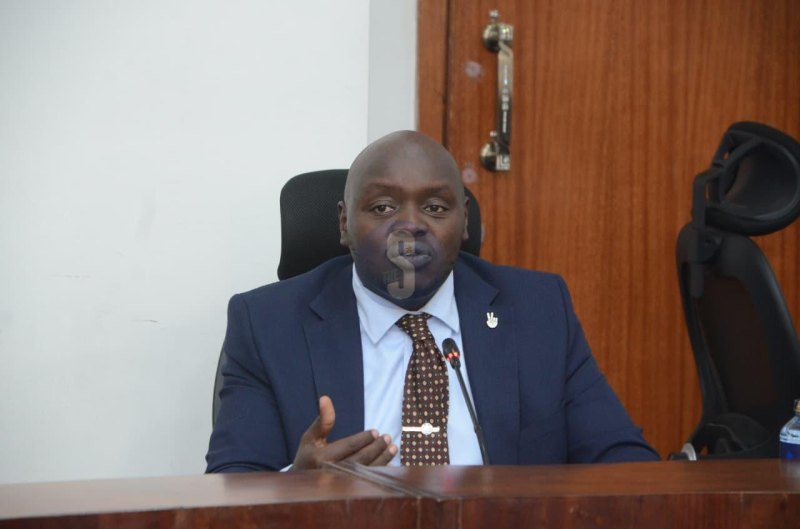
KNCHR commissioner Marion Mutugi said the government has not built adequate health facilities to address mental health.
"Up to 75 per cent-95 per cent of Kenyans have no access to mental health services. Twenty-five per cent of inpatients and 40 per cent of outpatients in hospitals are people who need mental health services, yet given one per cent funding,” Mutugi said.
"The starting point is to develop community-based mental health services."
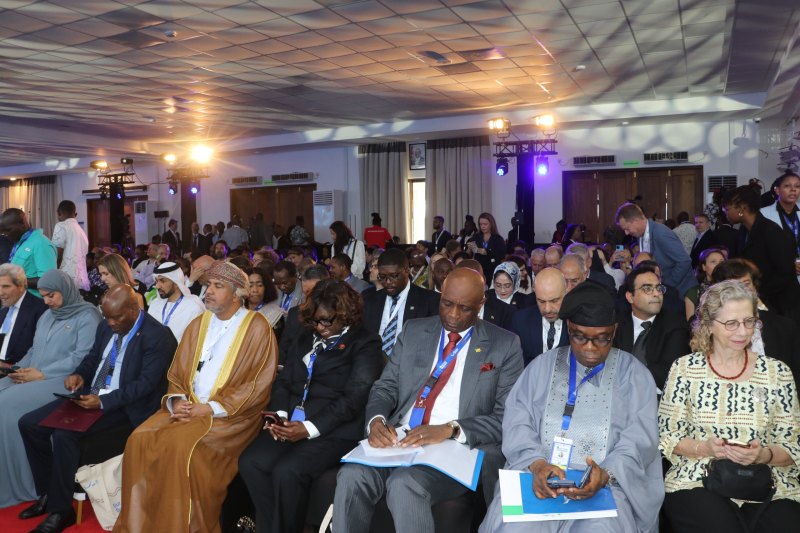
Mutugi spoke during the award ceremony for the 2021 World Mental Health Day Poetry Competition in Nairobi.
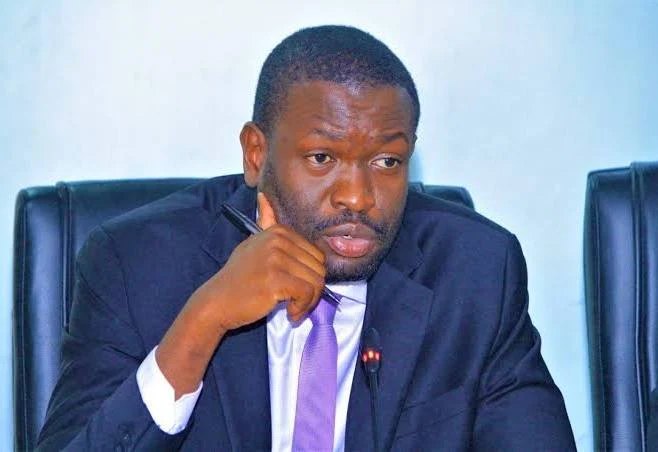
Commission on Administrative Action vice chairman Washington Sati said persons with disabilities have been largely neglected in the conversation about mental health.
He said the state should make meaningful interventions to allow PWDs have access to mental healthcare as a fundamental right.
"Most PWDs tend to suffer from mental health issues and it's becoming a global issue. Are we well-prepared for this social issue? Are we making sure they enjoy all human rights? A lot is expected from us,” Sati said.
Panelists at the event said society associates the word ‘mental’ with negative connotation, making people with such issues not to look for help.
“Have we stigmatised the word ‘mental’ that it cannot be used to explain a positive state?" posed Elizabeth Kamundia from KNCHR.
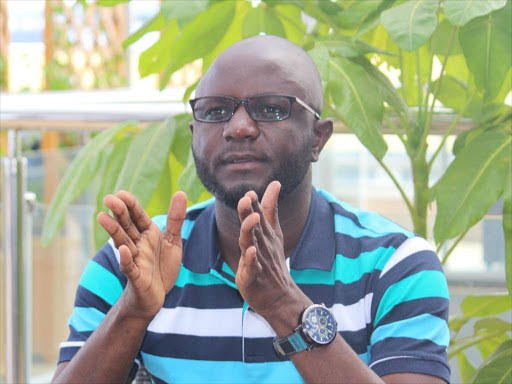
But presidential adviser on mental health Frank Njenga said the Uhuru Kenyatta administration had tried to widen access to the service by developing a mental health policy.
"If you go back to June 1, 2019, the President in Narok drew a red line, saying enough is enough in matters mental health. In November 2019, the Cabinet was called and a mental health task force was created. I was honoured to chair it," Njenga said.
Mental health professionals at the event said art should be incorporated as one of the interventions.
"Poetry is very important for mental well-being. The art of reading and understanding poetry helps one understand oneself end others better," Njenga said.
Edited by A.N
“WATCH: The latest videos from the Star”