Natembeya targets Sh1 billion own-revenue in 2026-27 FY
Natembeya wants the county to steadily improve revenue collection
3d agoBY MATHEWS NDANYIRift-valley
Operators of short-stay lodges to pay between Sh3500 and Sh6000 in annual licence fees.

Audio By Vocalize
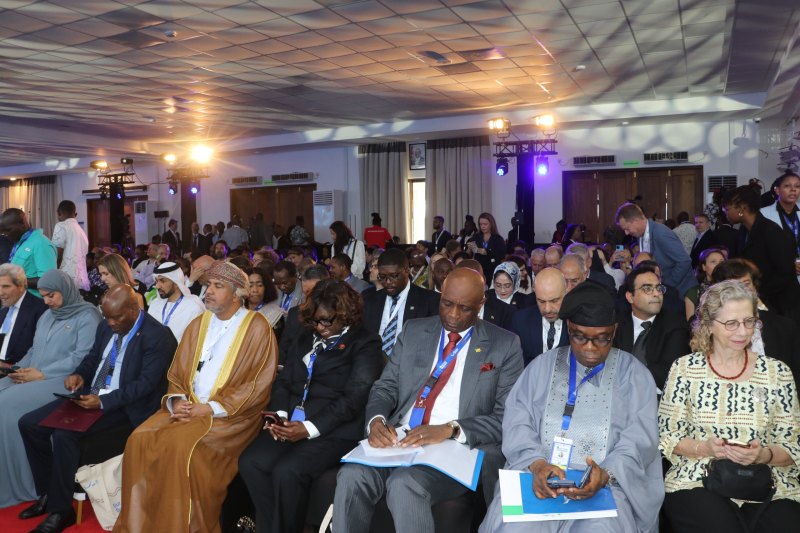
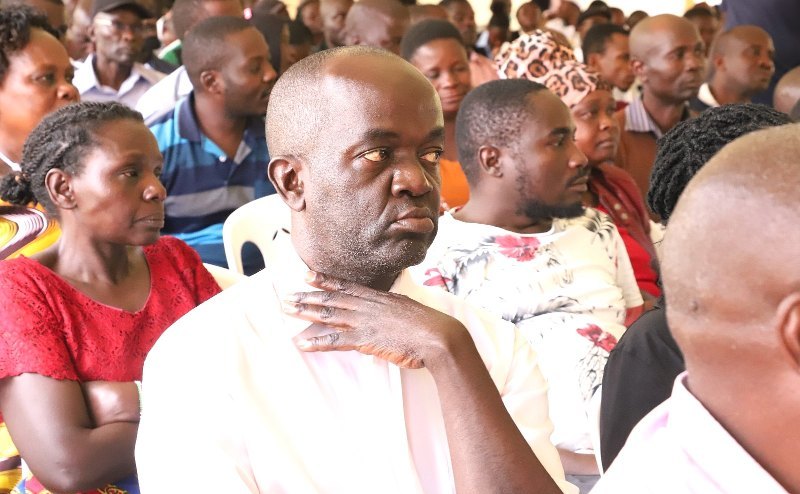 Residents follow proceedings during public participation on the Finance Bill 2026-2027 at the Kakamega Social Hall on Friday /HILTON OTENYO
Short-stay apartments popularly known as Airbnbs will start paying annual licence fees ranging from Sh3500 to Sh6000 depending on their location in new tax measures proposed by the Kakamega government.
The county seeks to impose new taxes on Airbnb operators, hostels and electric vehicle charging stations as it seeks to boost local revenue.
The proposals are contained in the Finance Bill 2027, which aims to expand the county's own-source revenue base.
Under the proposed law, Airbnb operators would pay an annual licence fee of Sh3,500 in rural areas, Sh4,300 in urban areas and Sh6,000 in municipalities.
The bill also proposes an annual levy on student hostels with more than 50 units, with operators in rural areas expected to pay Sh22,000, those in urban areas Sh29,000 and those in municipalities Sh40,000.
The county plans to introduce an annual fee of Sh5,000 for electric charging stations serving electric motorcycles.
The Finance Bill further proposes a Sh10,000 penalty for businesses found operating with fake licences.
The county is also seeking to introduce annual charges of Sh30,000 for jaggeries processing less than 10,000 tonnes of produce annually and Sh50,000 for those processing more than 10,000 tonnes.
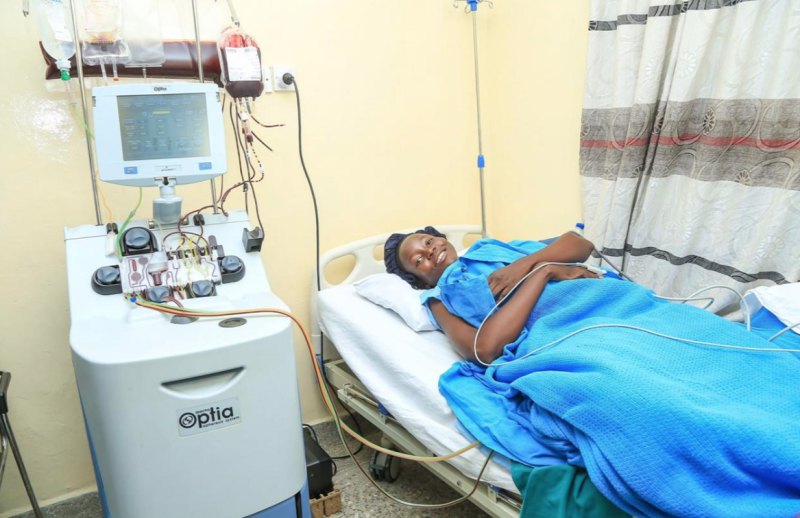
Other proposed changes include increasing oxygen charges from Sh500 per hour to Sh1,000 per hour.
Molasses dealers could also see their annual licence fees rise sharply from the current Sh2,000 to Sh30,000.
The proposals were presented during public participation forums conducted by the Kakamega County Assembly on Thursday.
County officials said the measures were intended to strengthen local revenue collection and support the county's development agenda.
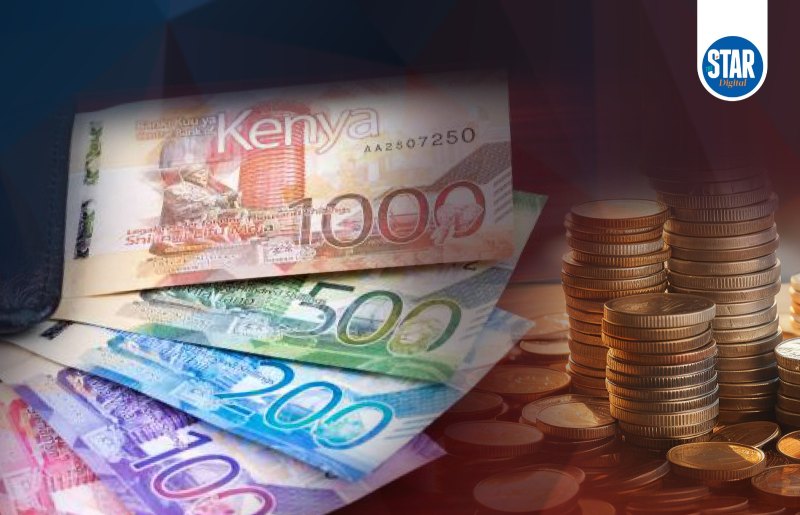
Kakamega collected Sh1.37 billion in own-source revenue during the current financial year, falling short of its target of Sh2.2 billion.
The county has proposed a Sh16.7 billion budget for the next fiscal year.
To finance the budget, the county expects to raise Sh2.2 billion from local revenue, receive Sh1.3 billion in conditional grants and obtain Sh13.2 billion in equitable share allocations from the national government.
However, residents attending the public participation forums raised concerns over what they described as harassment by county enforcement officers in the collection of non-existent taxes.
People living with disabilities also called on the county government to exempt them from some of the proposed taxes and levies.
Residents further suggested that owners of livestock found roaming within towns should be penalised, proposing fines of Sh700 for cattle and Sh500 for goats and pigs.
Instant analysis
Kakamega County’s proposed taxes reflect the growing pressure on devolved governments to increase locally generated revenue amid rising expenditure demands and limited national allocations. By targeting emerging sectors such as Airbnb accommodation and electric vehicle charging stations, the county is seeking to broaden its tax base beyond traditional sources. However, the proposals could face resistance from businesses and residents already grappling with a high cost of living and concerns over multiple taxation. Public complaints about enforcement practices and calls for exemptions for people with disabilities highlight the challenge of balancing revenue mobilisation with fairness, inclusivity and public acceptance.
Natembeya wants the county to steadily improve revenue collection