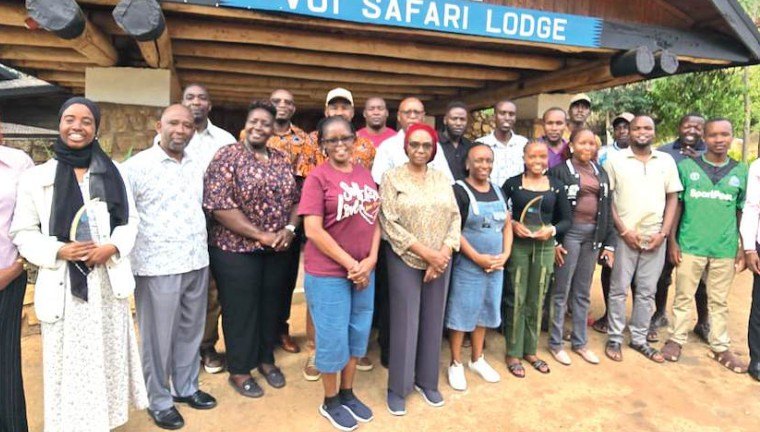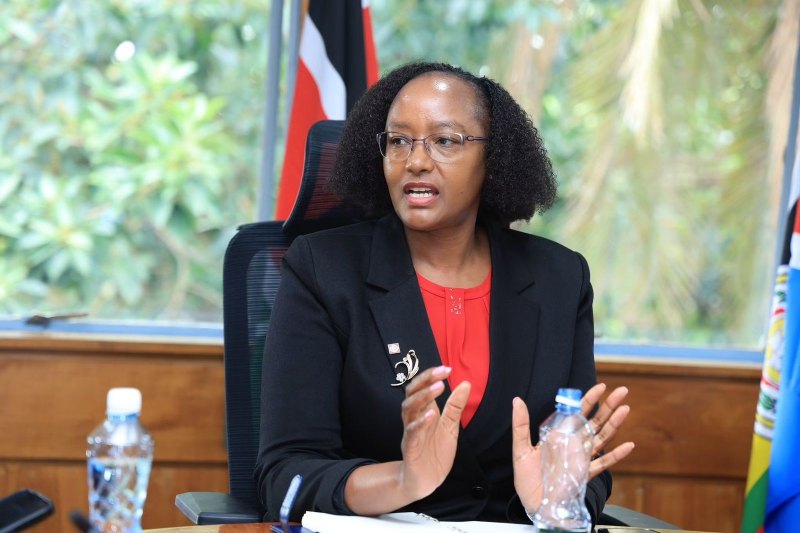

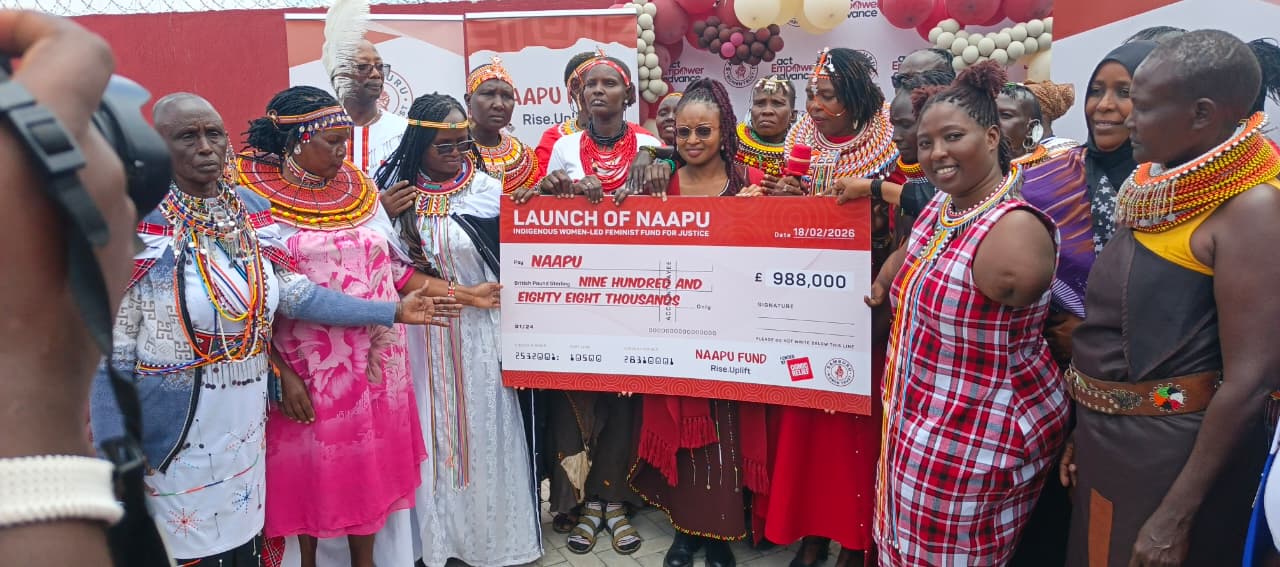
 Indigenous Women Council board launches NAAPU fund to empower women from marginalised and indigenous communities across Kenya in Nanyuki on February 18, 2026
Samburu Women Trust on Wednesday launched and disbursed Sh173 million (£988,000) as the first round of grants under the NAAPU Indigenous Women Fund in Nanyuki, Laikipia county.
The event, attended by representatives of
various Indigenous communities, marked the rollout of a new financing
initiative targeting Indigenous women-led grassroots groups.
It also marked the start of grant-making under a fund designed to channel
resources directly to Indigenous women and informal community collectives
operating in remote areas.
The NAAPU Indigenous Women Fund seeks to address
long-standing barriers that have limited Indigenous women’s access to financial
support. NAAPU, a Samburu word meaning “to rise” or “to uplift,” is described
as a feminist, Indigenous women-driven, trust-based grant-making facility.
The fund targets small and emerging Indigenous
women-led organisations, young women-led groups, women with disabilities-led
initiatives, and informal grassroots collectives in pastoralist, hunter-gatherer,
and fisherfolk communities.
“Indigenous women-led organisations are at the
forefront of advancing gender justice, community resilience, and sustainable
development but remain chronically underfunded,” the organisers said.
SWT executive director Jane Meriwas said the
fund seeks to unlock challenges posed by many conventional funding models.
Meriwas noted that traditional systems often prioritise formally registered
and well-established organisations, locking out informal groups that lack the
administrative structures required to meet complex compliance and reporting
standards.
Women's groups will not be required to have websites, bank accounts, or social
media presence.
Meriwas said the initiative is anchored on community trust and
self-determination as accountability tools.
“The women will sit down, discuss what project
they want to undertake, and agree on the amount and the person or the manner to
receive the cash,” she said.
“Take for instance a water project. They will
check on the cost of the tank and the pipes and agree on how and when to receive the
cash and utilise it customised to the local needs. The women in the groups will
be accountable to each other.”
She added that although funds have often been
available, bureaucratic processes have limited their impact on Indigenous
communities.
Organisers cited geographic isolation, limited digital connectivity, and weak
access to information as key challenges that restrict Indigenous women’s
ability to access grants and partnerships. They said NAAPU was co-created
through consultations with Indigenous women, who identified unequal access to
funding as a primary obstacle to sustaining and expanding their work.
NAAPU chairperson Cindy Kobei said the fund
will also work with individuals and is not limited to organised groups. She
said funding decisions will be based on community needs and will include a
capacity-building component.
“The plan is to grow with these groups. We are
also working with youths, people living with disabilities, and ‘hard to reach’
persons. We are as inclusive as we can,” Kobei said.
The fund aims to place resources directly in
the hands of Indigenous women and recognises them as “leaders, strategists, and
solution-builders.” It is grounded in principles that emphasise power-sharing,
inclusion, and collective responsibility.
NAAPU prioritises marginalised voices,
including Indigenous women, adolescent girls, young women, survivors of
violence, women with disabilities, and informal community groups. The funding
model is described as flexible and trust-based, with simplified application
processes that allow grantees to respond to evolving community needs.
In addition to financial support, the fund
will provide capacity strengthening in organisational development, leadership
support, and peer learning.
Organisers said NAAPU has open decision-making procedures and a fund-making
committee with expertise in basic rights and fundamental freedoms. Funding
decisions are informed by community realities and guided by Indigenous women’s
leadership.
The Indigenous Women Council, a network
dedicated to economic empowerment, said the launch represents a shift towards
community-centred funding that invests in Indigenous women’s lived experience
and cultural knowledge. It described the fund as an effort to redistribute
power to grassroots leaders and recognise informal groups as legitimate actors
in advancing gender, social and climate justice.
Gitahi Githuku, American Jewish World Service programme
officer, said Indigenous women have experienced historical injustices and
limited representation.
“The journey of coming together to find
solutions to these challenges has birthed a significant achievement of them
taking ownership and leadership of their own issues. This will go far, and other
funders should pay attention,” Gitahi said.
The fund leadership expressed confidence that the fund will strengthen indigenous women’s leadership and expand access to resources for underserved communities.




![[PHOTOS] Uhuru graces commissioning mass of Catholic Women](https://cdn.radioafrica.digital/image/2026/06/0bbd7e96-f180-4e02-966f-97c3fb201478.jpg)